

Do you know what Wall Street is obsessed with?
Price targets.
In fact, it’s basically tradition for Wall Street’s major banks to issue S&P 500 price targets at the start of every year.
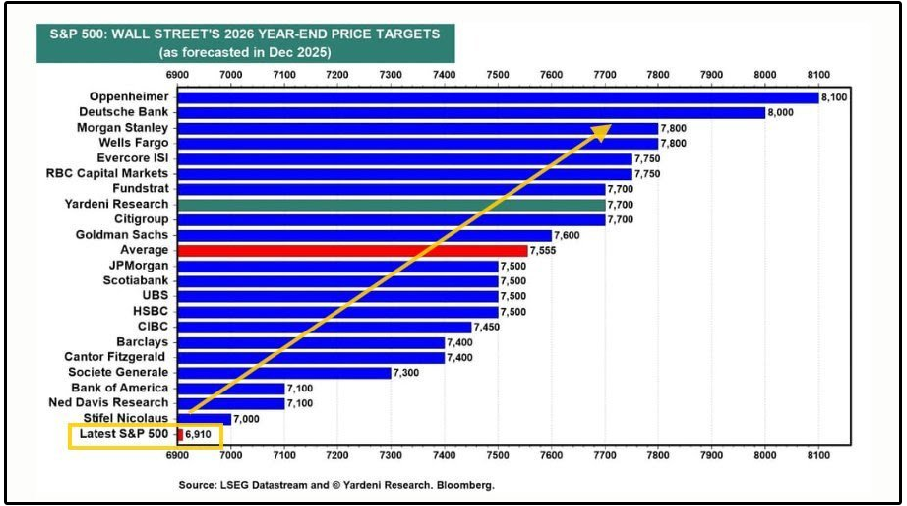
The only thing potentially more common than S&P 500 price targets, is analysts and banks assigning price targets assigning price targets to individual stocks.
However, I’ve never been a huge fan of analysts short term ‘price targets’.
While the below image is a humorous take on price targets, it’s not too far off from how many analysts create price targets.
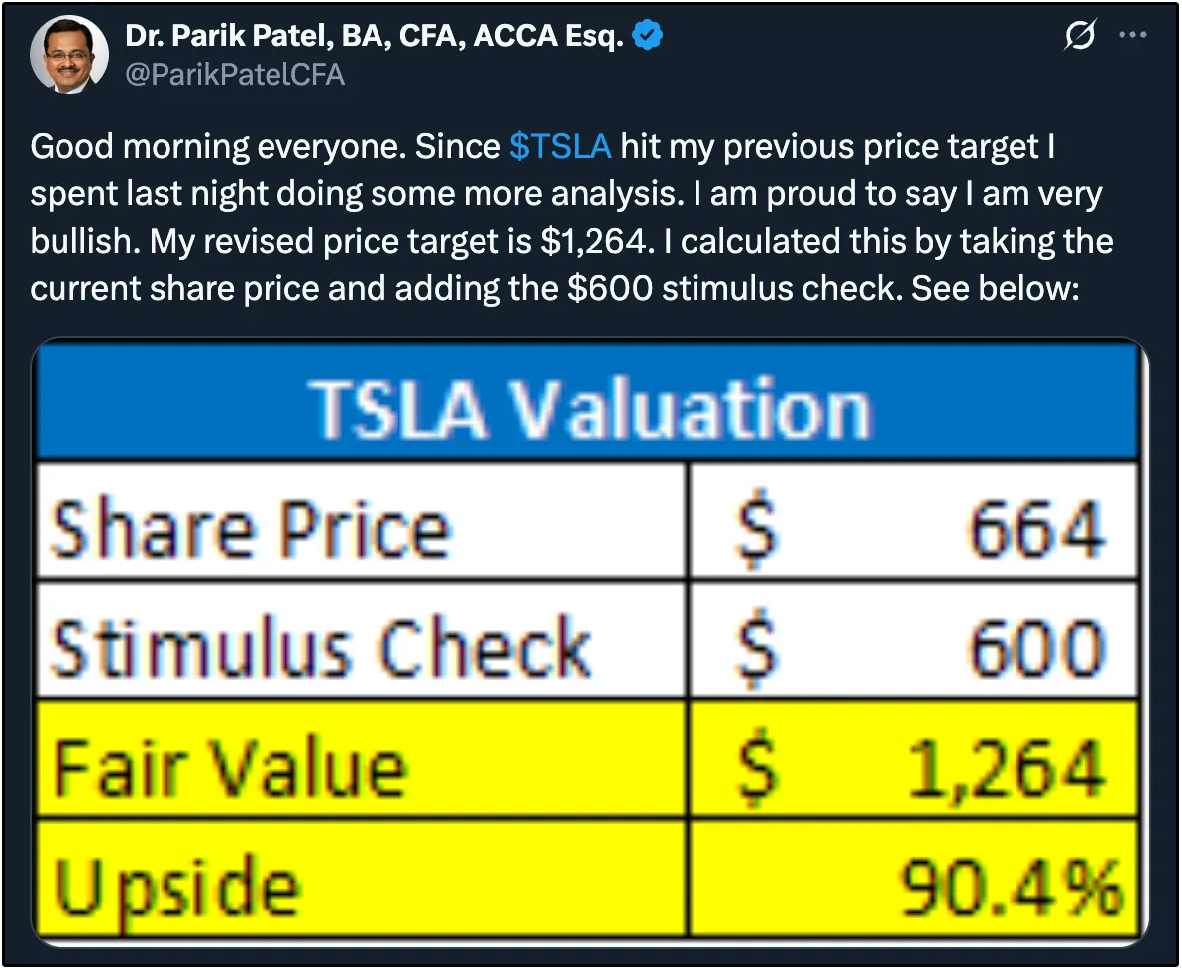
The reality is that there is a right way and wrong way to issue price targets-
And issuing price targets in the correct manner can reveal companies that have significant upside.
Today, we’ll be creating price targets for four stocks that have the ability to grow 100%.
Let’s dive in.
🔍 The Issue With Most Price Targets
I enjoy reviewing price targets as much as anyone.
I find them entertaining and potentially insightful at times.
However, what you’ll find is that most price targets are issued with a 1 year time horizon.
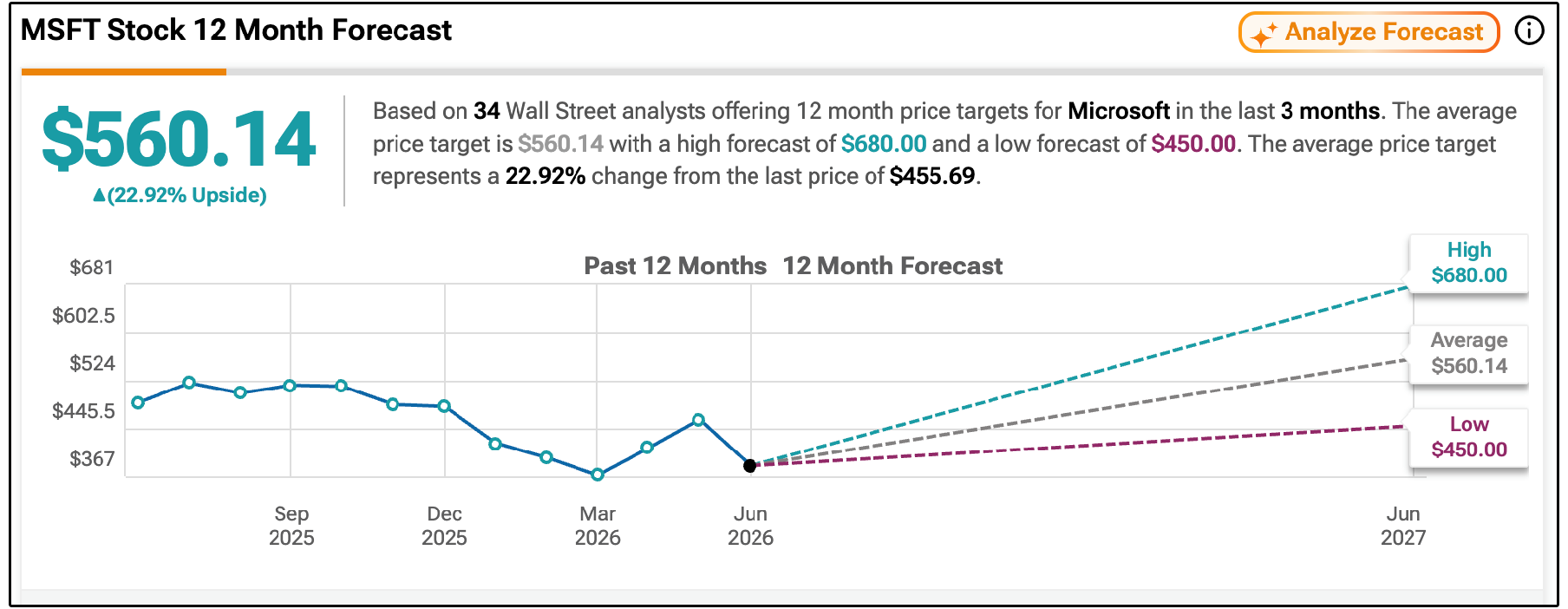
This is an issue.
Why?
Because you can only accurately project future returns by looking at stocks through the lens of ‘Sources of Returns’.
As a reminder, stocks have 3 potential sources of returns:
Earnings per share growth
Multiple expansion/contraction (Price to earnings ratio growing/shrinking)
Dividends
For example, here is what the sources of returns look like for the S&P each decade:
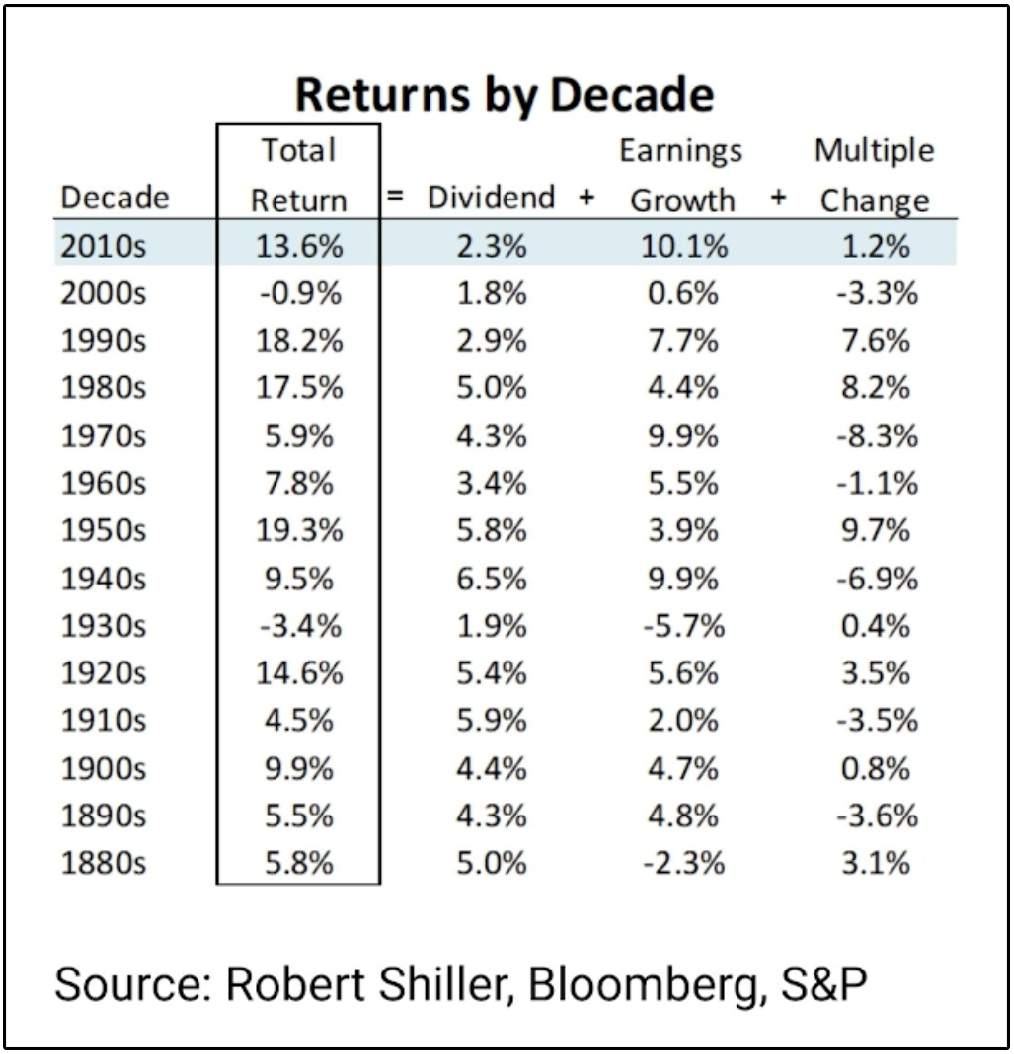
Some decades (like the 2010s), earnings growth was the main driver of returns.
Some decades (like the 1980s), multiple expansion was the ultimate driver of returns.
And some decades, when market performance was particularly poor-
Dividends were the main driver of returns, and sometimes the only positive source of returns.
While dividends obviously play a role in calculating total returns, a price target is simply derived by projected future earnings per share, and the future valuation multiple.
This issue with 1 year price targets is that stocks are primarily moved by changes in the valuation multiple in the short term.
It can be incredibly difficult to project changes in the valuation multiple over such a short time period.
Why?
Because in the short term, changes in the valuation multiple are due to a change in sentiment.
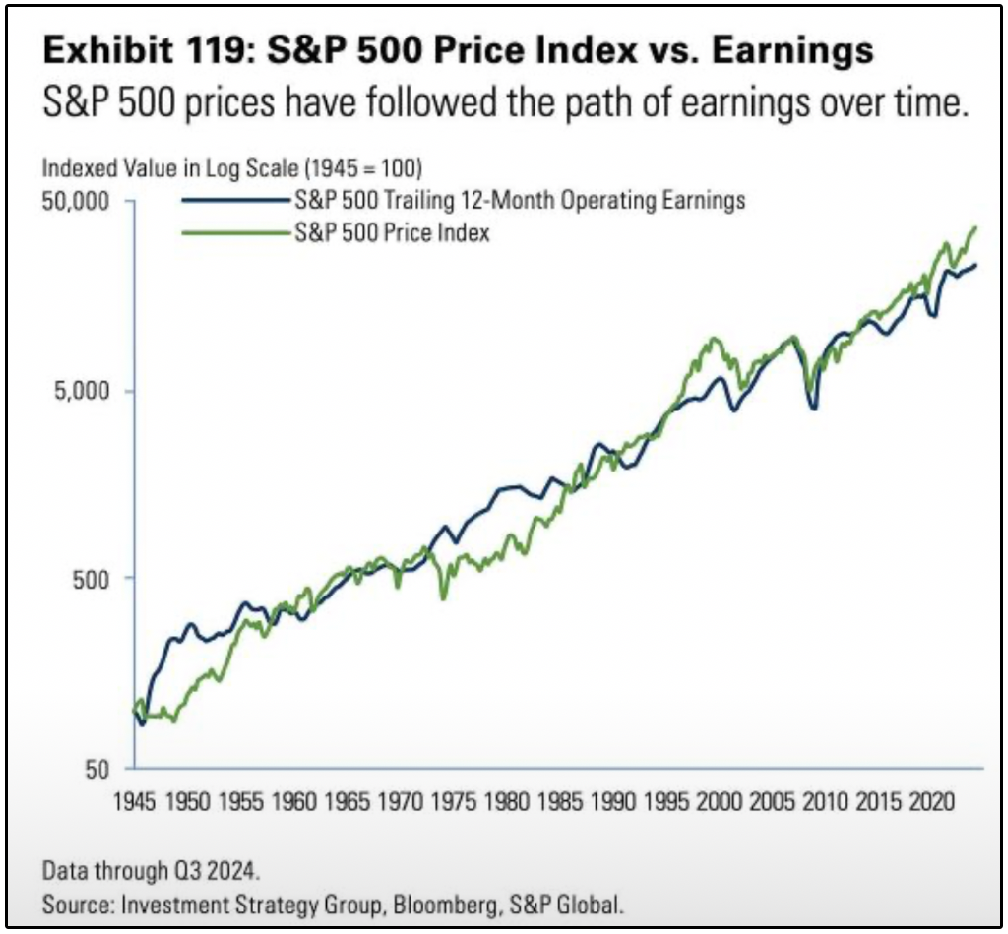
But over the long run, share price follows earnings growth.
We can project future cash flows.
But we can’t project short term changes in sentiment around a stock.
And ironically enough, it becomes easier to project future valuation multiples since they are primarily derived from the growth rate of future cash flows-
As well as the predictability of those cash flows.
Therefore, price targets make much more sense over a roughly five year time period.
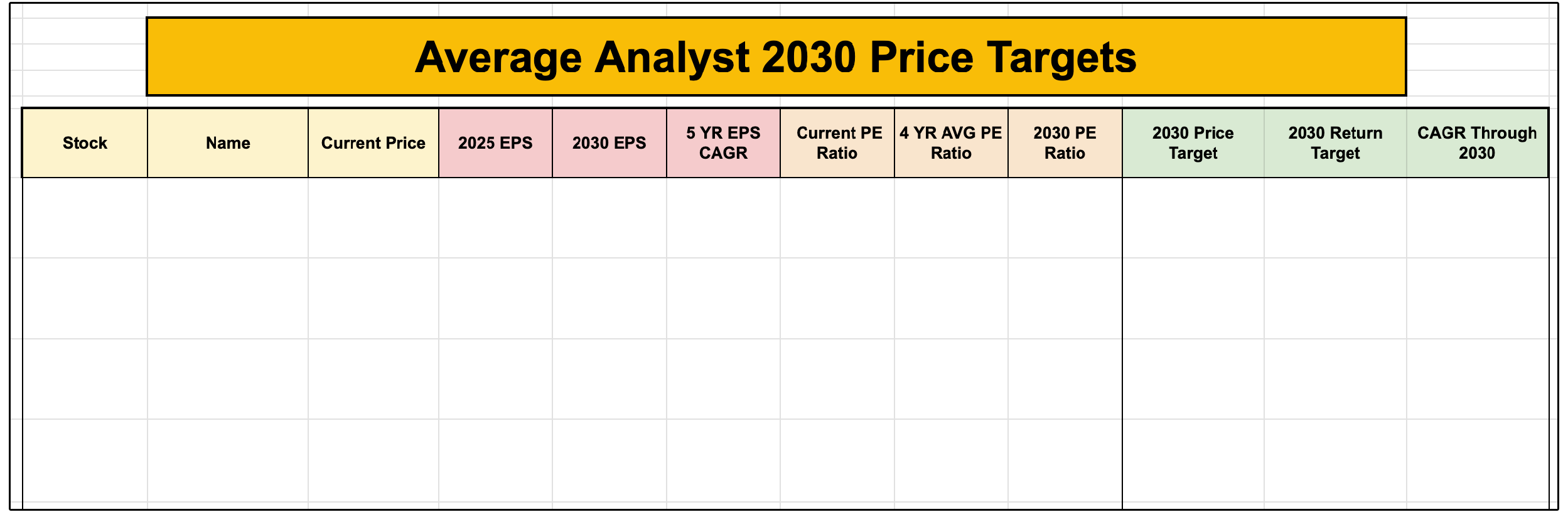
Let’s create a five year price target for 4 stocks.
1. 💻 Microsoft (MSFT)
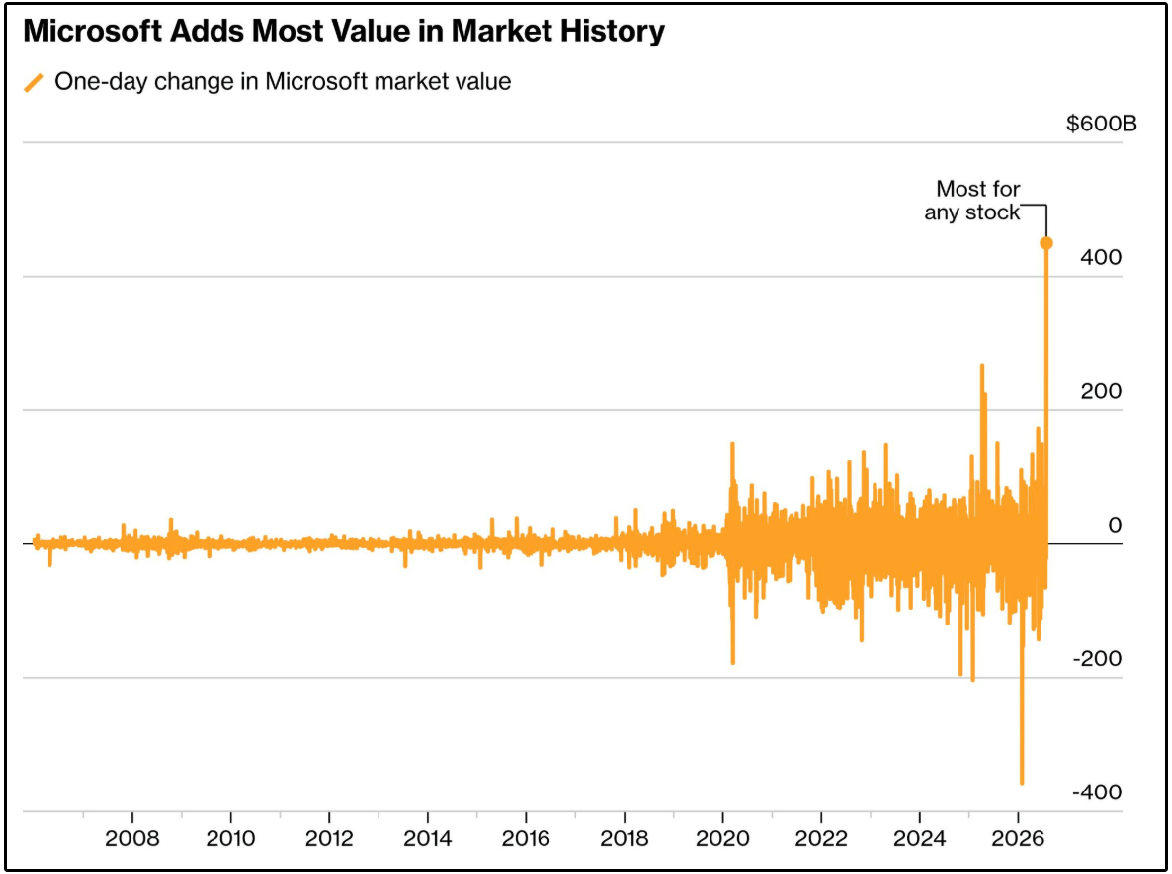
Microsoft just released their latest quarters earnings-
Which led to the largest one day change in market value in their history.
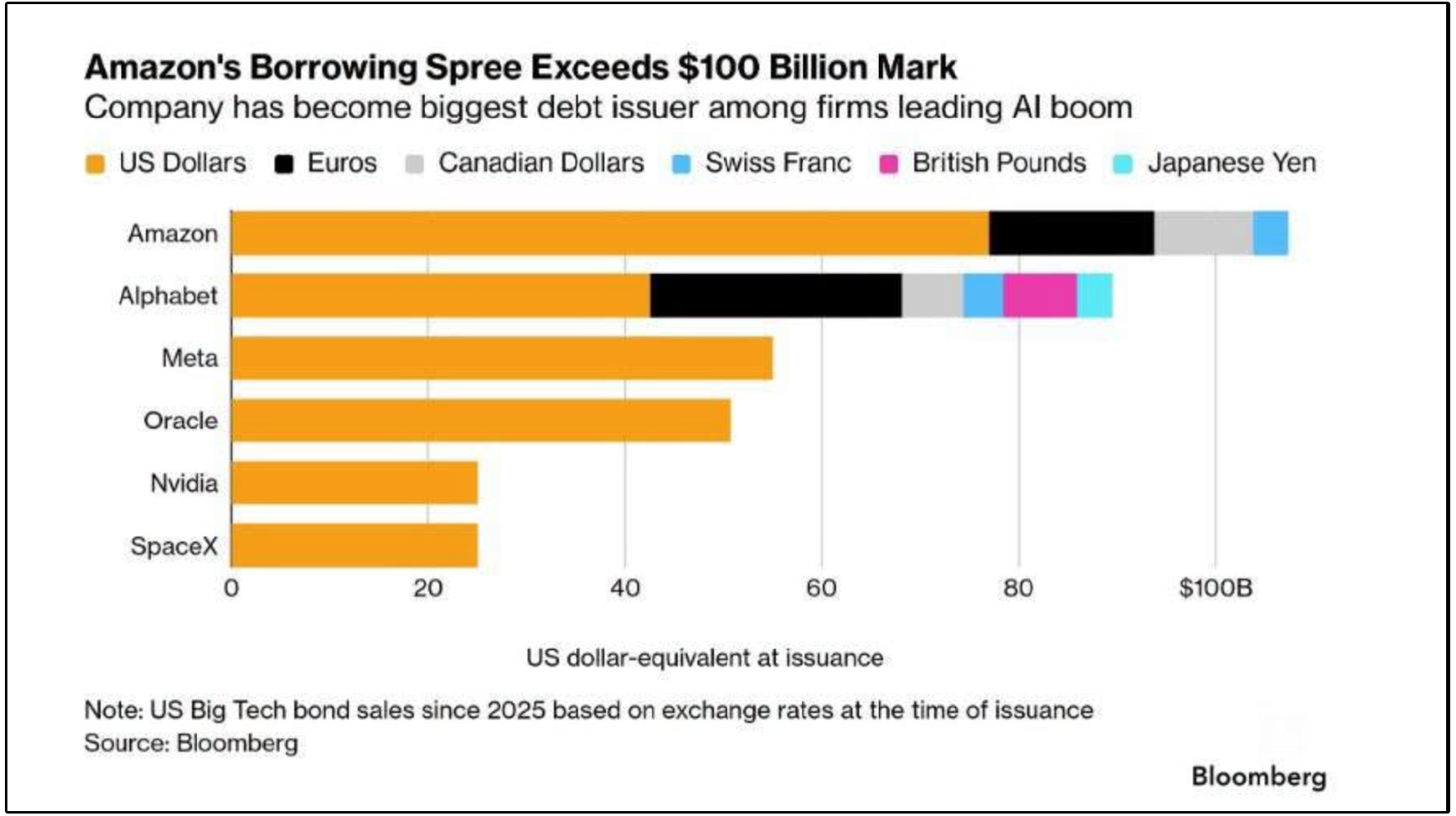
The company is spending aggressively to expand its data-center capacity, causing annual free cash flow to decline for two consecutive years.
Despite this spending, Microsoft still generated approximately $67 billion of free cash flow in fiscal 2026.
That separates Microsoft from several other major technology companies that have increasingly relied on debt to finance their AI infrastructure.
Perhaps even more importantly, Microsoft already has substantial contracted demand supporting their increased capex spending.
Commercial remaining performance obligations increased 84% to $678 billion, creating an enormous backlog of revenue that has not yet been recognized.
The issue investors previously had was despite the fact MSFT had a massive backlog, most of that backlog was tied to OpenAI, creating customer concentration risk.
But Microsoft’s AI growth is now becoming more diversified.
Nearly 90% of its full-year cloud revenue came from customers outside frontier-model companies such as OpenAI.
Azure’s growth is now being more driven by broad enterprise adoption, instead of Microsoft relying on one single company (OpenAI).
To build our price target, we will be importing live and historical data into our spreadsheet, as well as importing the average analyst EPS estimates into our sheet using Tickerdata.
Microsoft’s price target is based on two assumptions:
Analysts expect Microsoft’s earnings per share to grow from $13.70 in 2025 to $35.77 by 2030, representing annualized EPS growth of approximately 21.2%.
The model assumes Microsoft trades at 25 times earnings in 2030.
That is a relatively conservative assumption because it is roughly in line with Microsoft’s current P/E ratio of 25.15 and well below its four-year average P/E ratio of 34.

The calculation is straightforward:
$35.77 in projected 2030 EPS × 25 P/E multiple = $894.25 price target
Compared with the current share price of $455.10, that represents approximately 96.5% upside, meaning the stock would nearly double by 2030.
Keep in mind, if we include dividends, this would put Microsoft’s total return during this time period over 100%.
2. 📱 Meta Platforms (META)
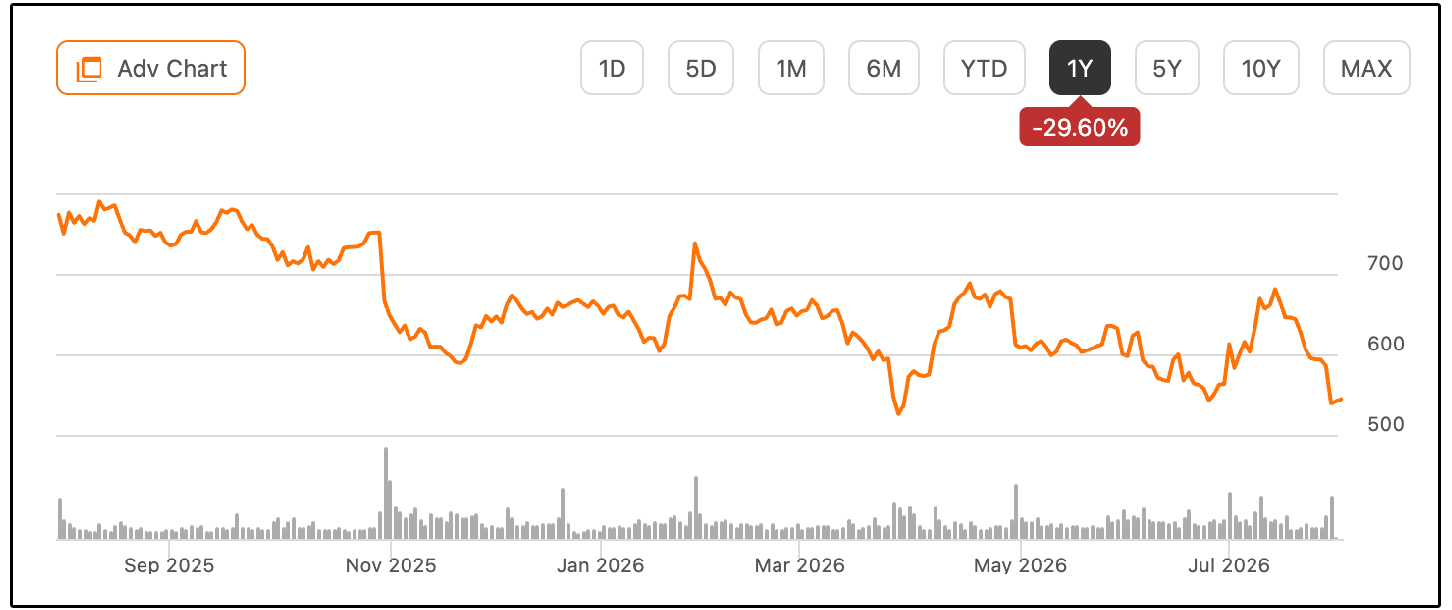
Meta stock is one of the worst performing MAG7 stocks in the last year, now down by nearly 30%-
With a 10% drop occurring in the last few days of releasing their earnings report.
Despite this, revenue continues to grow at an exceptional rate for Meta, with revenue increasing by nearly 28% year over year.
Meta’s results are primarily driven by three variables:
Family daily active people (DAP) – DAP was 3.60 billion on average for June 2026, an increase of 3% year-over-year.
Ad impressions – Ad impressions delivered across Meta’s Family of Apps increased by 14% year-over-year.
Average price per ad – Average price per ad increased by 12% year-over-year.
These three combine to push Meta’s Q2 revenue to over $59 billion.
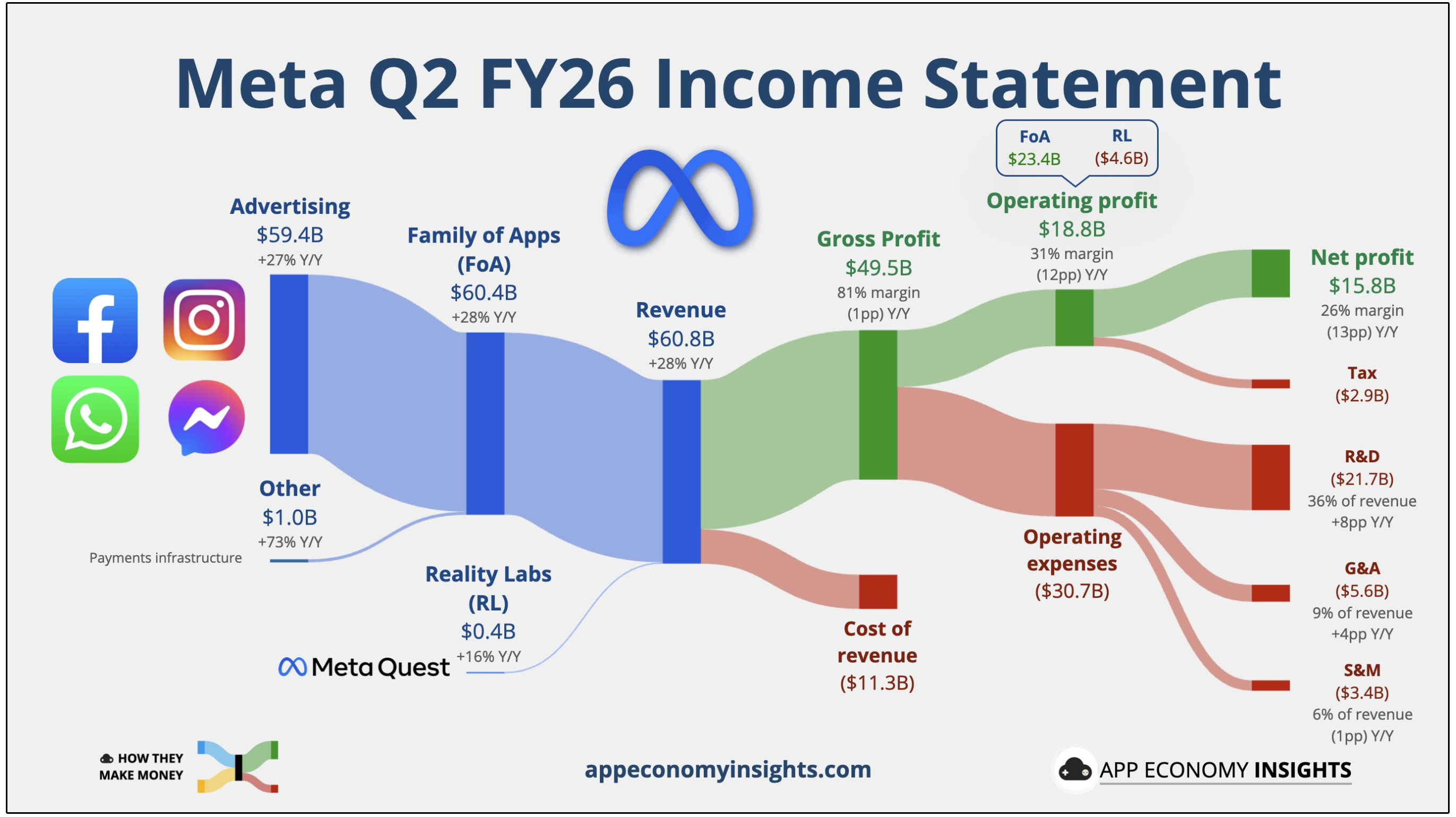
The headline earnings miss on EPS is less concerning after diving into why this occurred.
Meta recorded approximately $2.4 billion in legal charges and $1.18 billion in severance expenses.
Excluding these one time costs, the core business continued to perform well.
Of course, the sell off comes partly as a result of Meta slightly increasing the low end range of their capex guidance.
Management expects 2026 capital expenditures to reach between $130 billion and $145 billion as Meta builds the computing infrastructure required for artificial intelligence.
This spending will very likely push free cash flow into negative territory and ultimately force the company to raise additional capital through the bond market.
The bond market is already beginning to reflect these concerns.
Meta’s five year credit default swap spread has risen considerably in recent months.
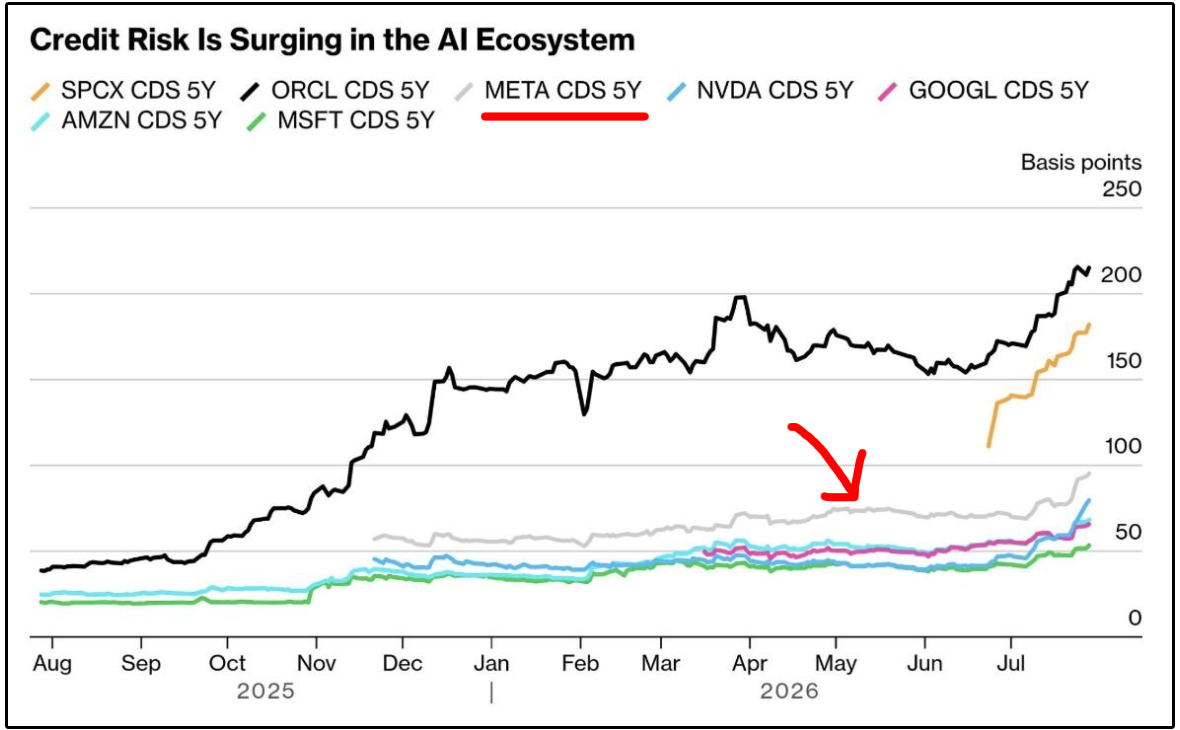
A credit default swap acts like insurance against a company failing to repay its debt, so a rising spread indicates that investors are demanding more compensation to take on that credit risk.
The market has become increasingly less confident in the quality of Meta’s debt as the company increases borrowing while committing enormous amounts of capital to AI infrastructure-
Of course, leading to the stock selling off.
Analyst’s are projecting Meta’s earnings per share to increase from $23.98 in 2025 to $54.91 by 2030, representing annualized EPS growth of approximately 18%.
The price-target calculation is:
$54.91 in projected 2030 EPS × 21 P/E multiple = $1,153.17
A 21 multiple is approximately in line with Meta’s current valuation and remains below its four-year average P/E ratio of 22.14.
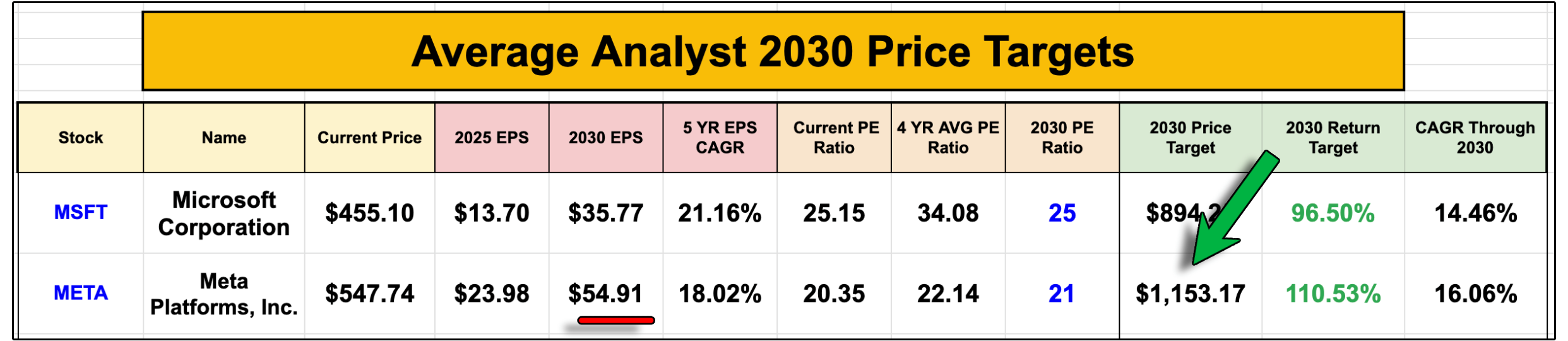
Compared with the current share price of $547.74, that represents approximately 110.5% upside and an annualized return of roughly 16.1% through 2030, before dividends.
Meta doesn’t need the valuation multiple to increase to see great returns.
It simply needs its earnings to grow as analysts expect while maintaining roughly its current valuation.
3. 🏥 UnitedHealth Group (UNH)
Remember when the market left UNH for dead?
UnitedHealth Group is now up over 68% in just the last year.
To be fair, they still haven’t recovered from their massive sell off in April of last year, when the stock was trading at nearly $600 a share.
The company faced elevated medical costs, pressure within Medicare Advantage, operational problems at Optum Health and a Department of Justice investigation into aspects of its Medicare business.
That, combined with the costs associated with a cyber security attack, led to the first drop in EPS in years for UnitedHealth Group.
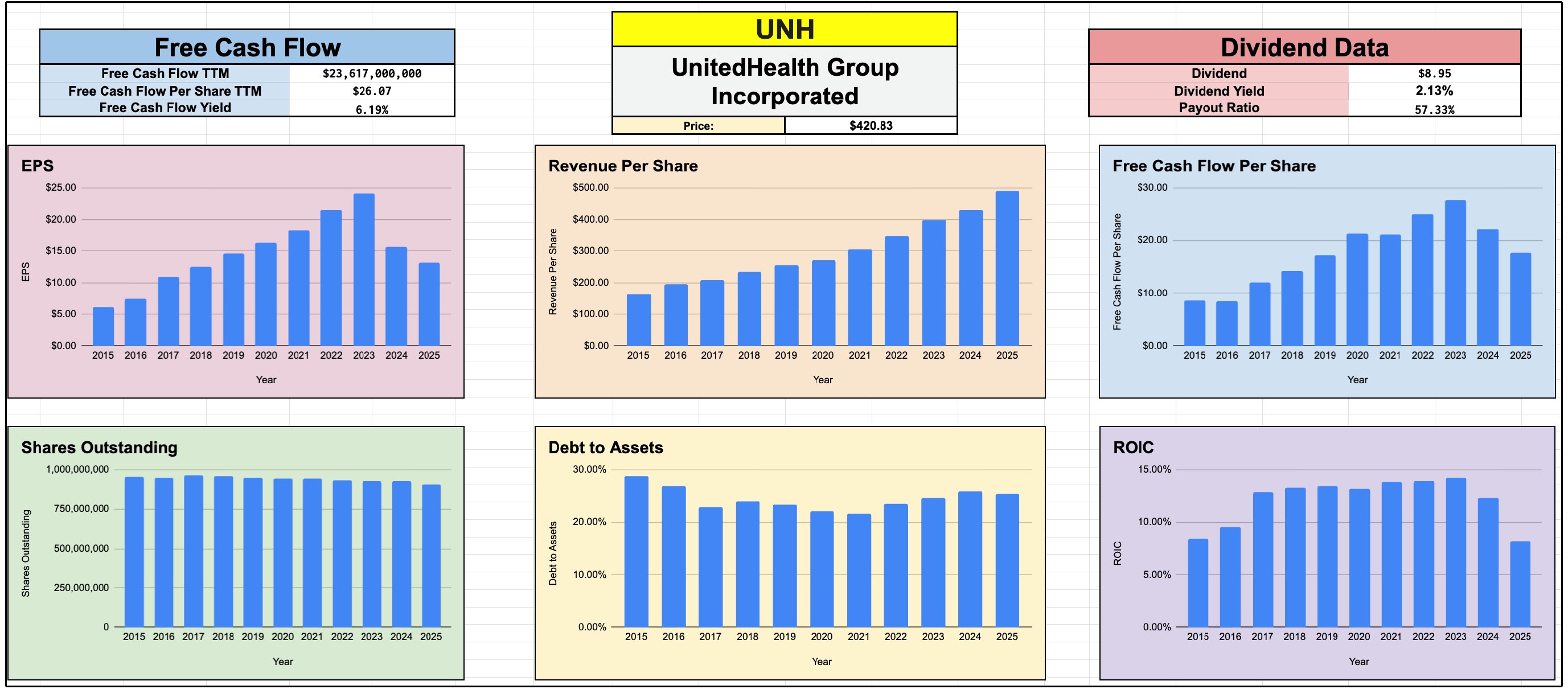
Keep in mind, UnitedHealth has confirmed that it is still cooperating with the DOJ’s civil and criminal requests, meaning regulatory uncertainty remains an important risk we need to be aware of.
The central thesis is that UnitedHealth’s current earnings are set to recover to previous levels in the coming years-
As well as the fact that UnitedHealth’s medical care ratio improved to 86.7% in the recent quarter, meaning they’re spending a smaller percentage of its premium revenue on medical claims.
Analysts expect earnings per share to increase from $13.23 in 2025 to $34.29 by 2030, representing annualized growth of approximately 21%.
The price-target calculation is:
$34.29 in projected 2030 EPS × 25 P/E multiple = $857.25
The spreadsheet displays a target of $857.13, with the slight difference caused by using unrounded earnings estimates in the underlying calculation.
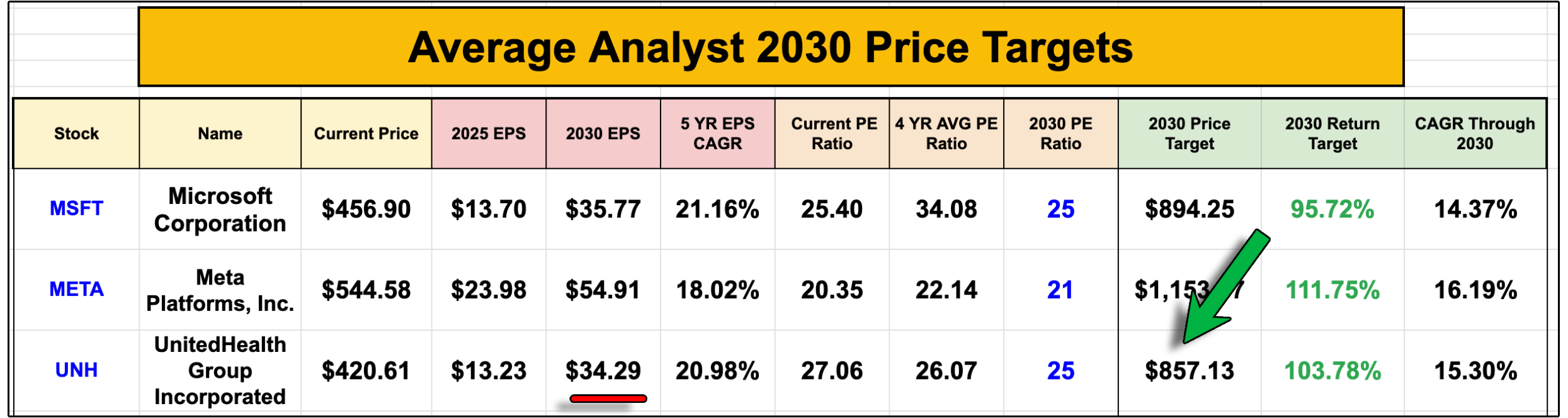
A 25 multiple is below UnitedHealth’s current P/E ratio of 27.06 and slightly below its four-year average of 26.07, so the price target does not require aggressive multiple expansion.
4. 💾 Broadcom (AVGO)
Is it possible for a stock that is already up 700% in the last 5 years to see another double?
Short answer: Yes.
Stock price movement by itself tells us nothing about the valuation of a stock.
Unlike companies spending hundreds of billions of dollars to construct AI infrastructure, Broadcom primarily benefits by supplying the technology required to build it.
Its products include custom AI accelerators, networking chips and Ethernet solutions that allow enormous clusters of processors to communicate efficiently.
The growth has been remarkable.
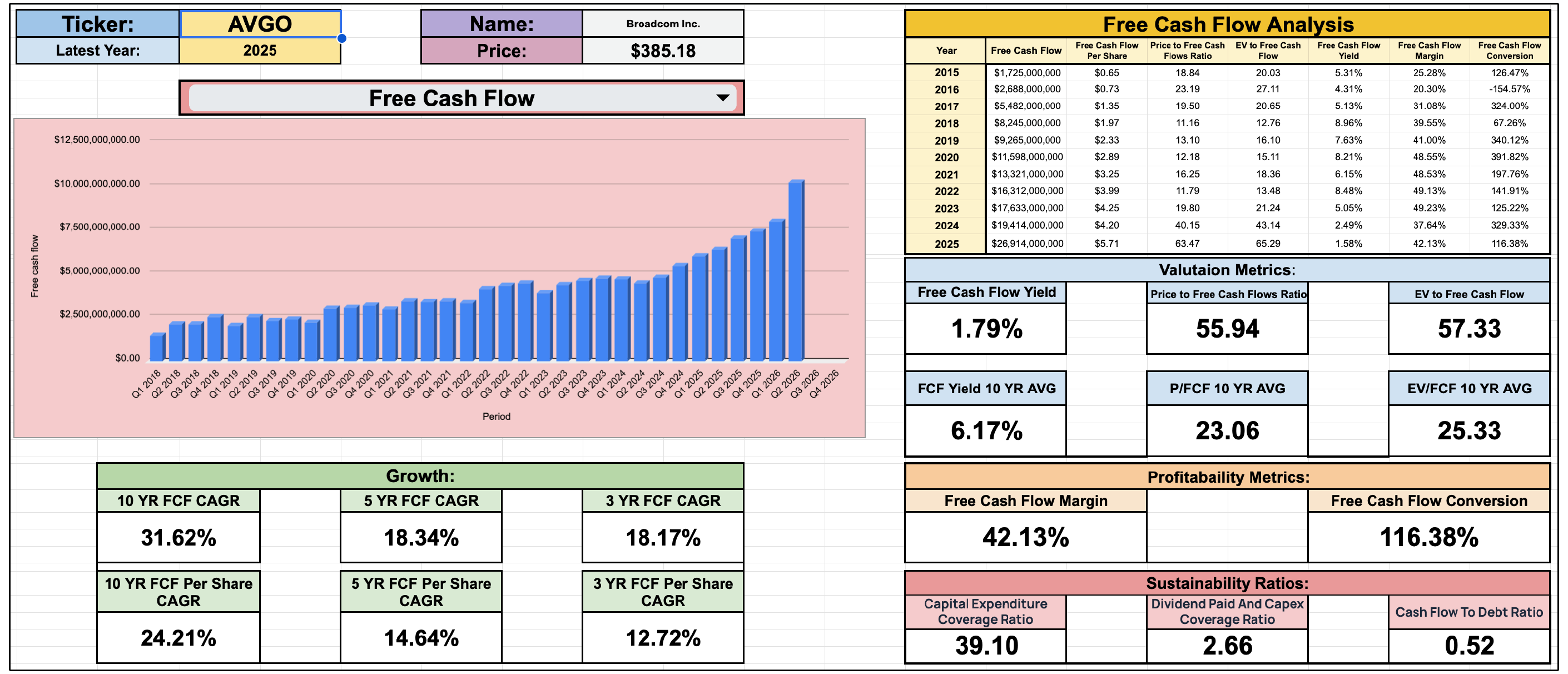
The company has grown free cash flow at a compounded annual growth rate of over 31% over the past decade.
Broadcom currently trades at more than 60 times trailing earnings, substantially higher than most companies in the S&P 500.
However, the rate at which they are continuing to grow earnings more than justifies this.
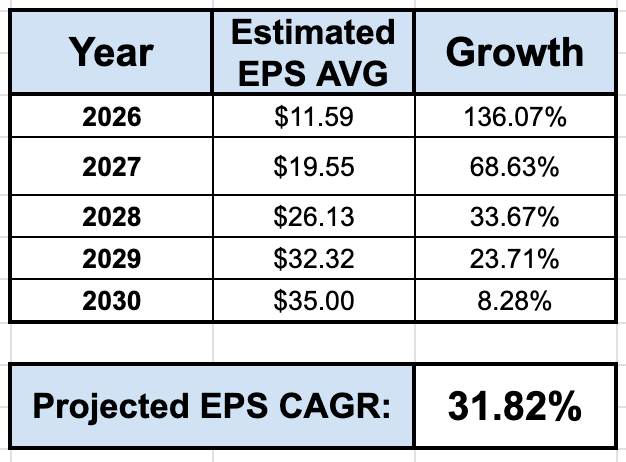
Analysts expect Broadcom’s earnings per share to increase from $4.91 in 2025 to $35 by 2030, representing annualized EPS growth of approximately 48.1%.
The price-target calculation is:
$35 in projected 2030 EPS × 26.5 P/E multiple = $927.50
That assumes Broadcom’s valuation contracts dramatically from its current P/E ratio of approximately 62 to only 26.5 by 2030.
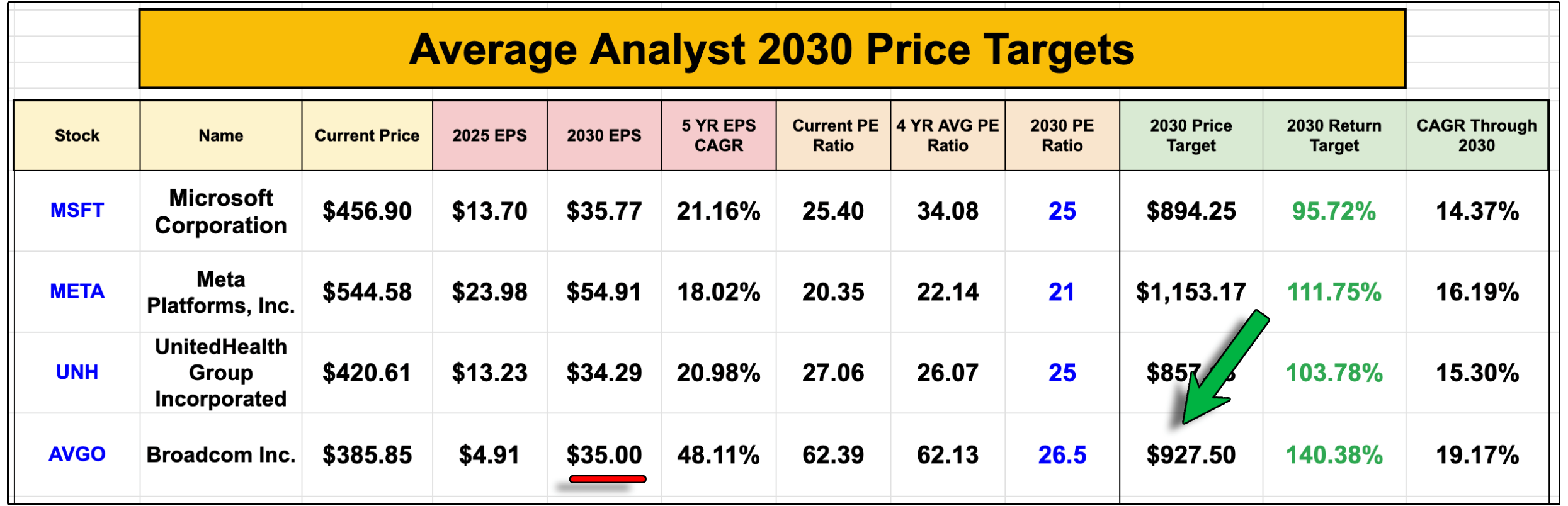
In other words, the price target already accounts for significant multiple compression as the company matures.
Compared with the current share price of $385.85, the target represents approximately 140.4% upside and an annualized return of roughly 19.2% through 2030, before dividends.
🎯 Our Price Targets
It’s important to remember that none of our price targets today were vague or based on hype.
In fact, we did quite the opposite.
Using Tickerdata, we took the average EPS estimate from analysts, and then provided a conservative PE ratio based on their historical averages.
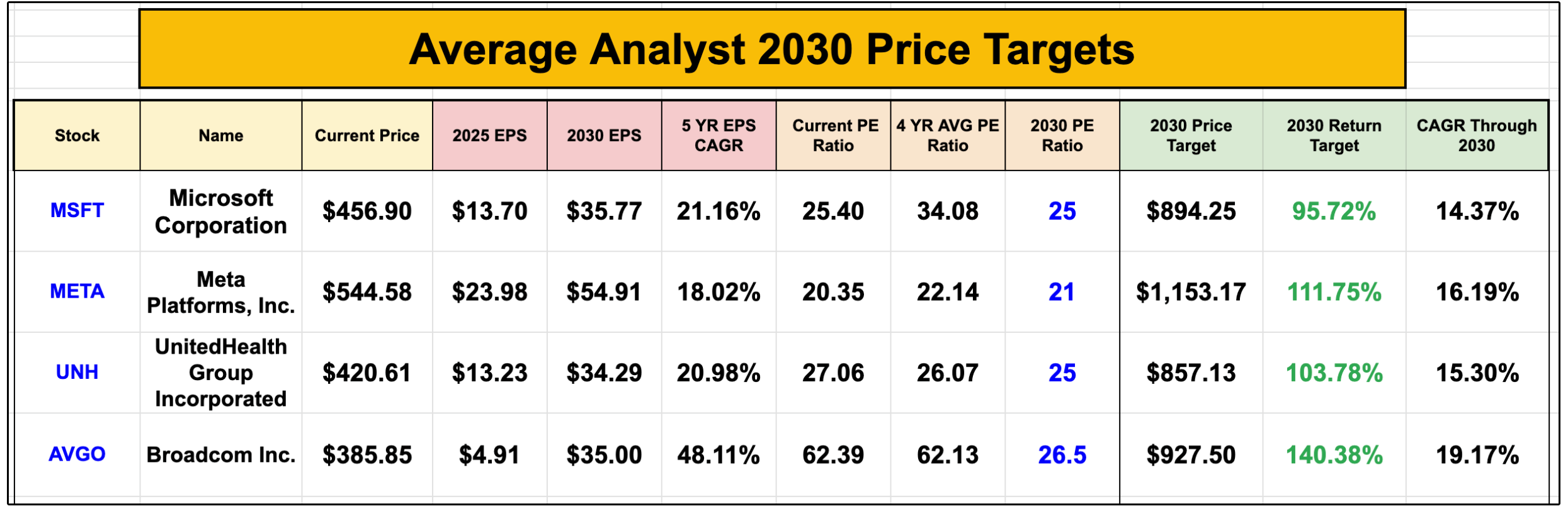
So even though each of these stocks had over 100% upside, that is certainly not their best case scenario.
Each of these stocks has the ability to grow their dividend at double digit growth rates in the future as well.
If you want to be able to auto-import stock financials into your spreadsheet and get access to this price target sheet, you can do so at Tickerdata.
⚡Our Dividend Growth Portfolio
The goal of our Dividend Growth Portfolio?
Buy stocks that allow us to benefit from all 3 of the sources of returns.

This is what leads to potential outperformance over the long term.
If you want to be a part of the process of building this portfolio and also get access to everything mentioned below, you can join here:
Dividendology
Check out these resources:
Tickerdata 🚀 (TICKERDATA SUMMER SALE (CODE: ‘HEAT’ FOR 30% OFF)
Interactive Brokers 💰 (My favorite place to buy and sell stocks all around the world!)
Seeking Alpha 🔥 (Research stocks $30 off! + 7 day free trial)
HYSA 📊 (Get Access to the Best High Yield Savings Accounts!)