

Is Nike finished, or the buy of the decade?

Everyone can see Nike crashed 80%.
What they can’t agree on is what happens next.
The most recognizable brand on earth, and yet nobody’s sure if it’s a dying giant or the deepest value in the market right now.
That’s the kind of question Carbon Finance is built for.
Sharp, detailed research on the companies everyone’s arguing about.
50,000 investors already read it, and you should too.
Thanks to Carbon Finance for sponsoring.
🧾 List of Most Upside Dividend Stocks
Every month, I compile data on the dividend stocks with the most upside based on Wall Street analysts price targets.
Members will get access to the full list every month, as well as all other Dividendology features.
This month, we had the most stocks ever show up on the list at 88.
Let’s dive in.

1. 🌐 Cisco Systems (CSCO)
Wall St. Price Target: $140.80 | Upside: 29.88%
Want to see a frightening chart?
U.S. stock market valuations are at all-time highs based on nearly every imaginable metric.
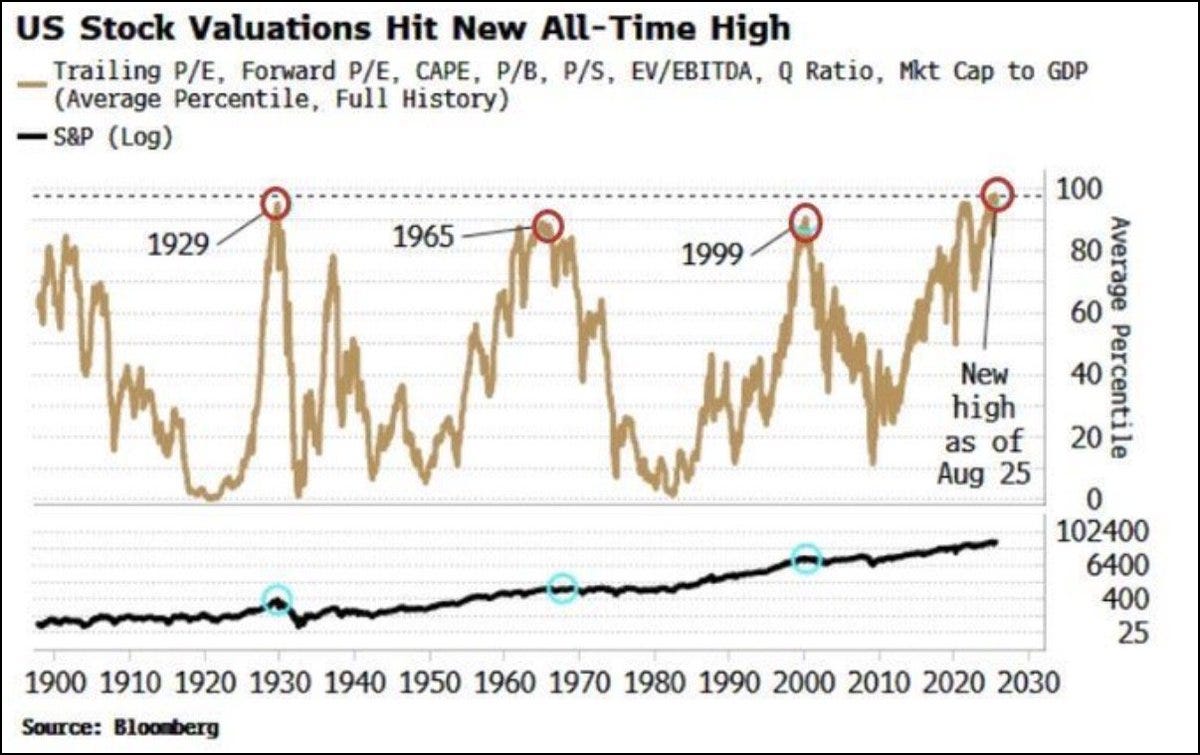
Of course, this doesn’t tell the full picture at all.
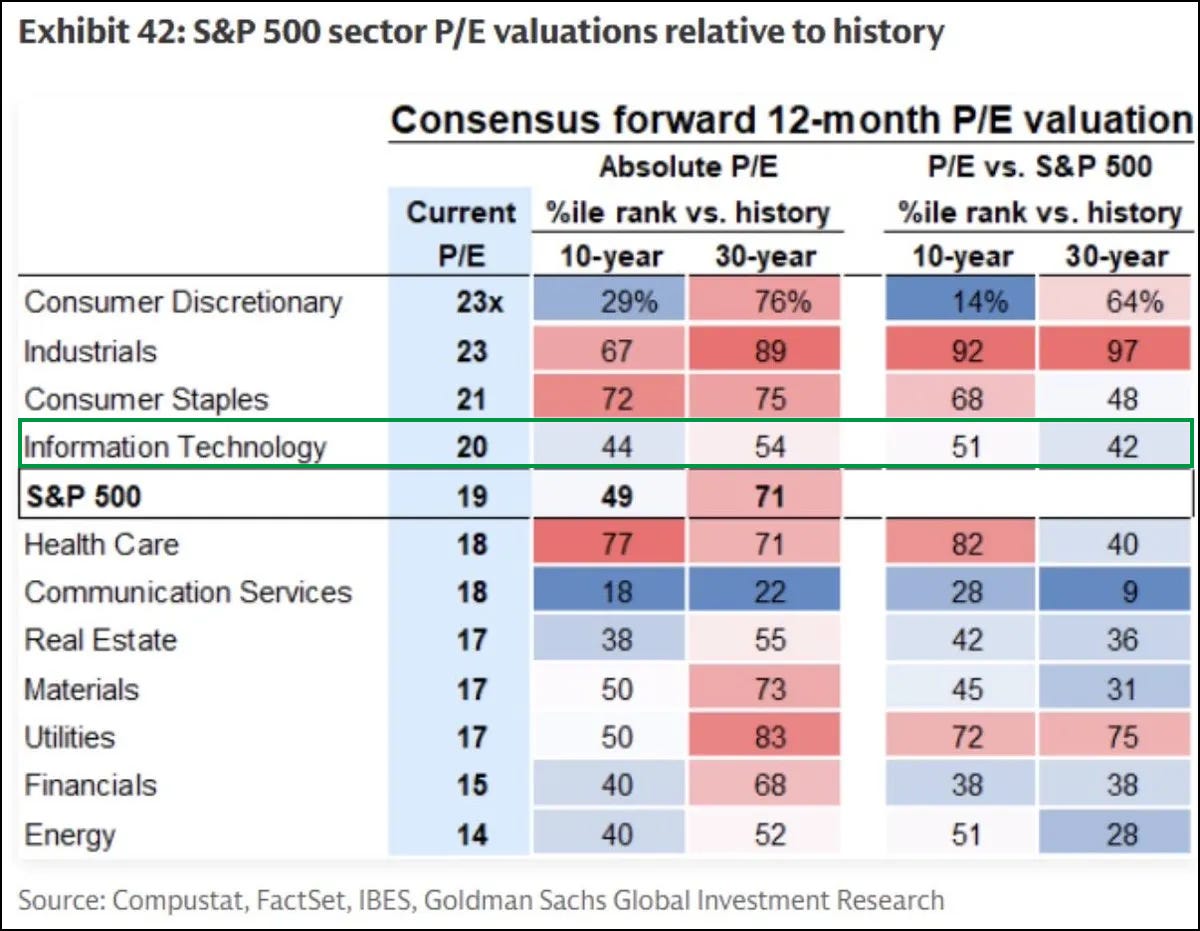
When we look at the market by sector, the valuation story looks different.
The Goldman Sachs exhibit below focuses on one measure, consensus forward 12-month P/E, rather than an average of eight measures across the whole market.
Here’s what most wouldn’t expect:
Industrials are trading at one of their most expensive valuations ever-
Meanwhile Information Technology trades at 20 times forward earnings, and at the 44th percentile of its 10-year history and the 54th percentile of its 30-year history.
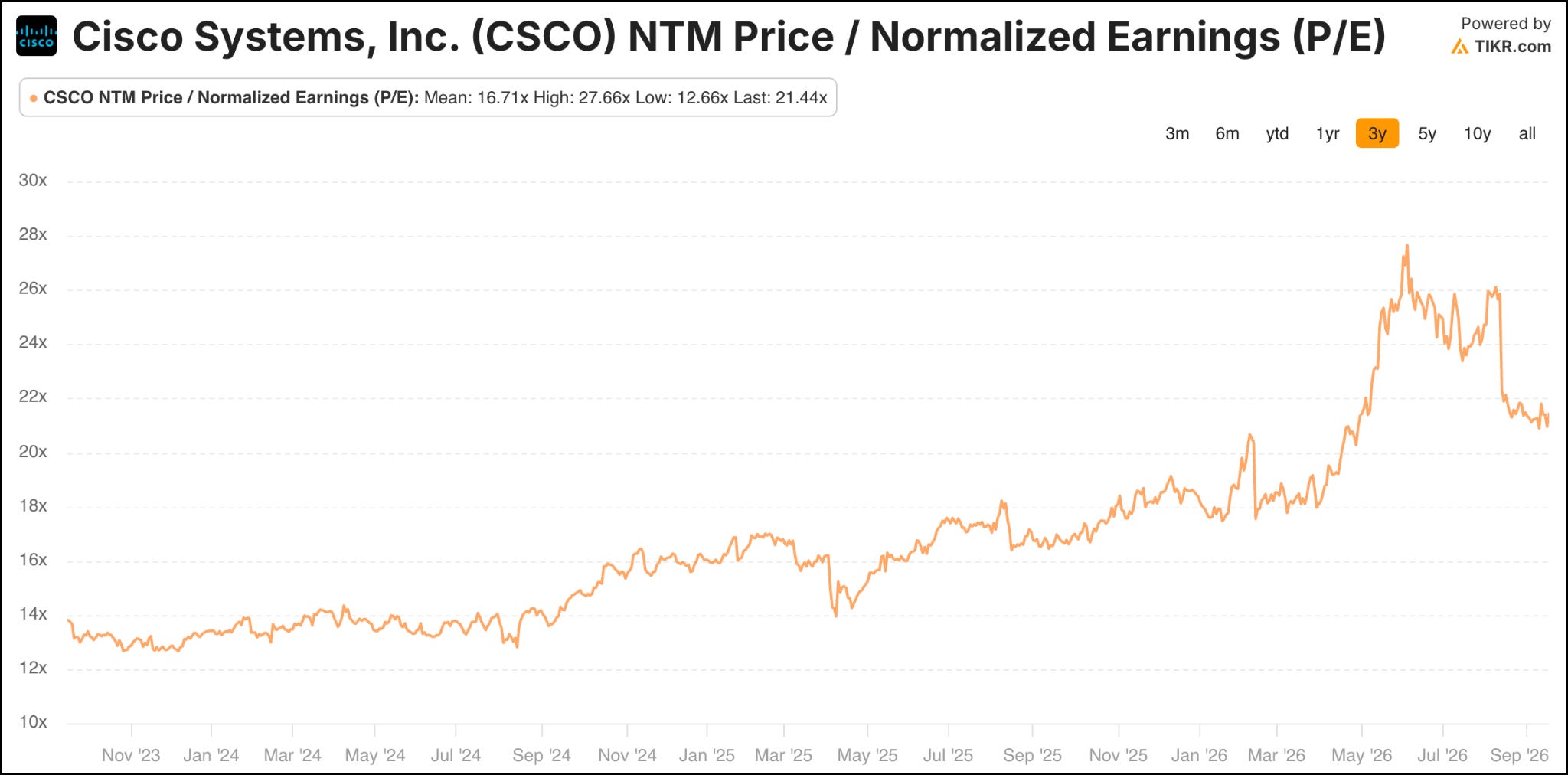
With that being said, Cisco is in a much different scenario.
Why?
Because the P/E multiple has expanded dramatically over the last 3 years.
Let’s see if we can back into why it made it onto this months list of most upside Wall Street stocks.
For years, the basic appeal of Cisco was a large networking business generating cash and returning much of it to shareholders.
But that brings us to what is changing inside Cisco.
The buildout of AI data centers is creating demand for the networking equipment that moves enormous amounts of data among chips, servers and facilities.
The scale of the change is already visible in Cisco’s orders.
Fiscal fourth-quarter product orders grew 35% from a year earlier
Even after excluding hyperscale cloud customers, orders increased 25%
Networking revenue grew 28%, helping total quarterly revenue rise 18% to $17.3 billion
Cisco also received $4 billion of AI infrastructure orders in the quarter, bringing its fiscal-year total to $9.3 billion.
"With the breadth and depth of our portfolio and our competitive differentiation in secure networking, Cisco is well positioned to support our customers however or wherever they decide to deploy AI." - Chuck Robbins, Chair and CEO of Cisco
Cisco expects total fiscal 2027 revenue between $72.2 billion and $73.4 billion, up roughly 15% at the midpoint from the $63.3 billion it reported in fiscal 2026.
That is significant growth for a business of its size.
The question is whether Cisco can preserve its economics as AI hardware becomes a bigger share of sales.
The dividend is sitting at a 1.52% yield with an FCF payout ratio of 51.3%.
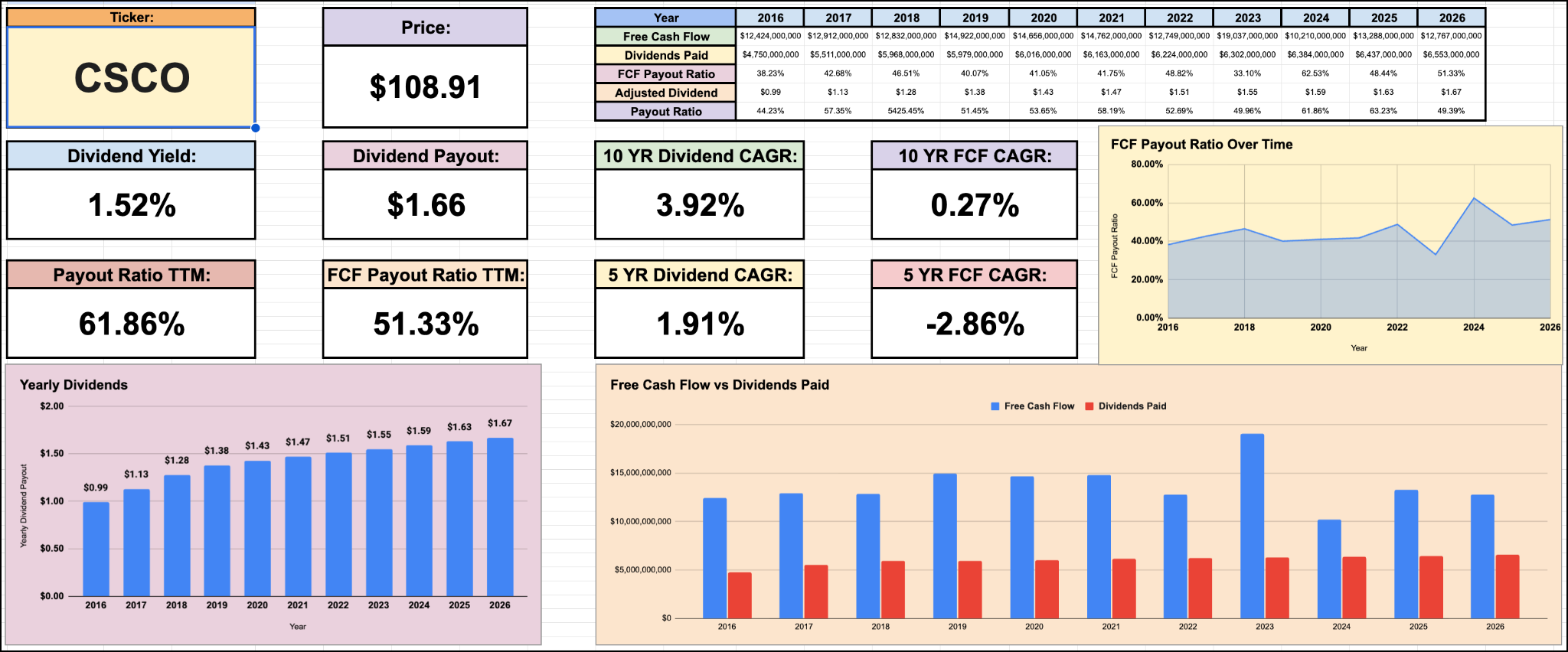
Keep in mind, Cisco uses about twice as much capital to buyback shares vs dividends.
Add those together, and nearly all of the year’s free cash flow went back to shareholders.
As mentioned above, Cisco is trading well above its historic valuation multiple.
But if Cisco hits their projected EPS estimates according to analysts and also sees a serious pullback in the P/E multiple, there is still upside at current levels.

2. 🏗️ Brookfield Infrastructure (BIP)
Wall St. Price Target: $47.83 | Upside: 34.17%
Brookfield Infrastructure looks like a utility stock on the surface level, but its business reaches far beyond electric and gas networks.
It also owns transportation assets, pipelines, fiber networks and even data centers.
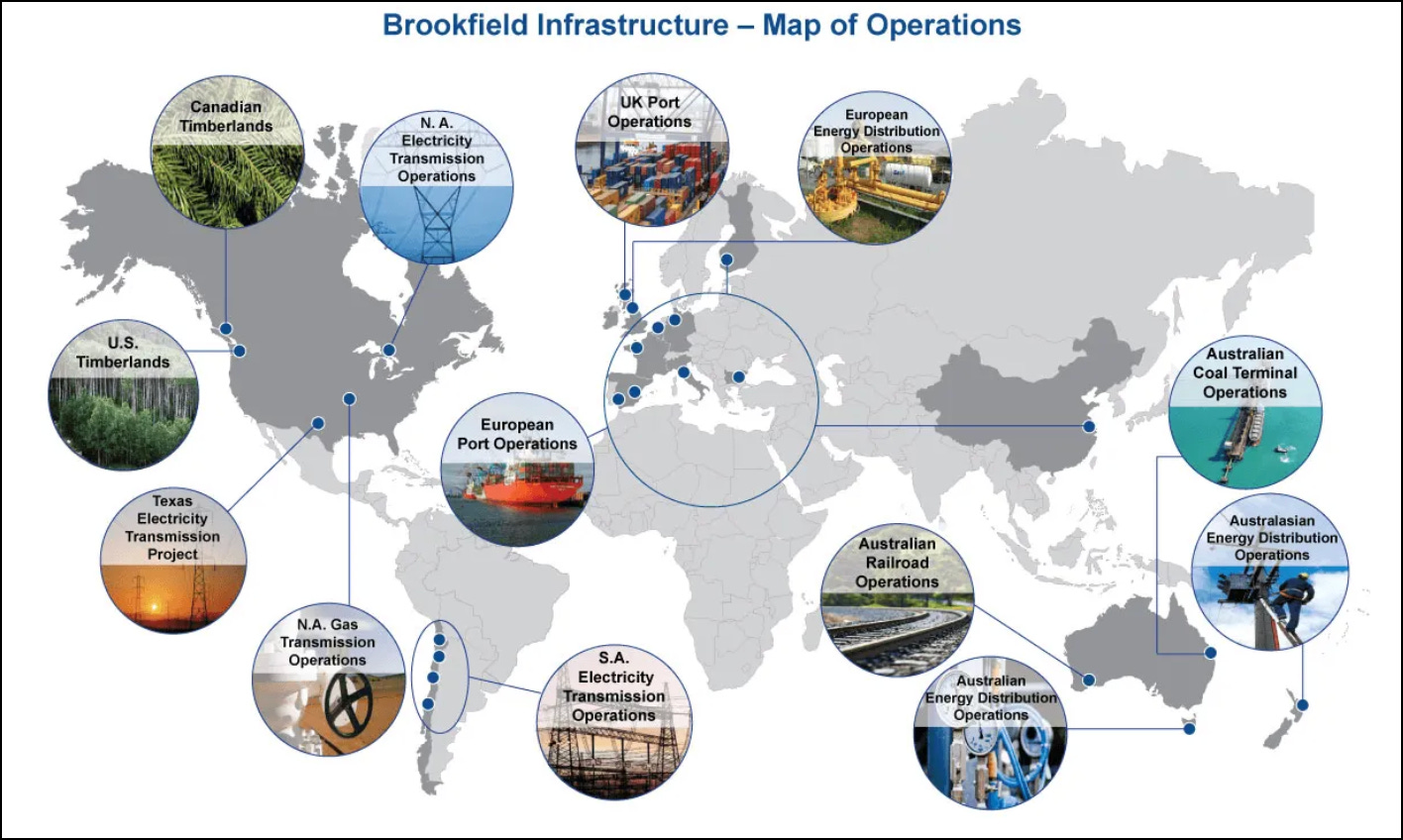
Many of these businesses earn revenue through long-term contracts or regulated rates, giving Brookfield a base of cash flow from assets that are difficult to replace.
The company is currently yielding slightly over 5%, with historical dividend growth rates ranging between 6% - 7%.
The second-quarter results show that Funds from operations, or FFO, increased 10% to $702 million, while FFO per unit rose 10% to $0.89.
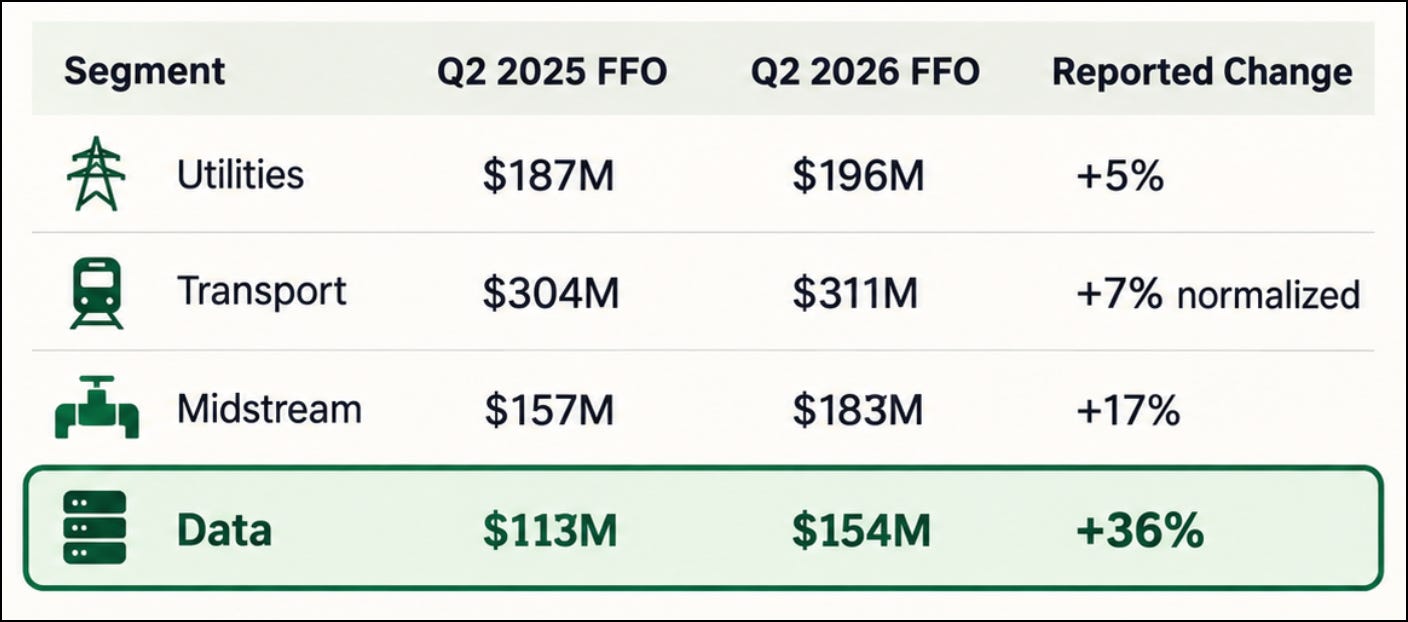
There is one obvious segment that stand out from the recent quarter:
The next opportunity is AI infrastructure.
Brookfield was selected to develop a Kentucky data-center campus with partners, announced a planned 200-megawatt computing project in South Korea and expanded its Bloom Energy power framework to $25 billion of potential capital spending.
Of course, this does not automatically translate into a certain level of earnings-
But management does say it will commit significant capital only after securing suitable commercial terms and returns.
Keep in mind that the 5% yield is based on that fact that they use around 81% of AFFO to pay the distribution.
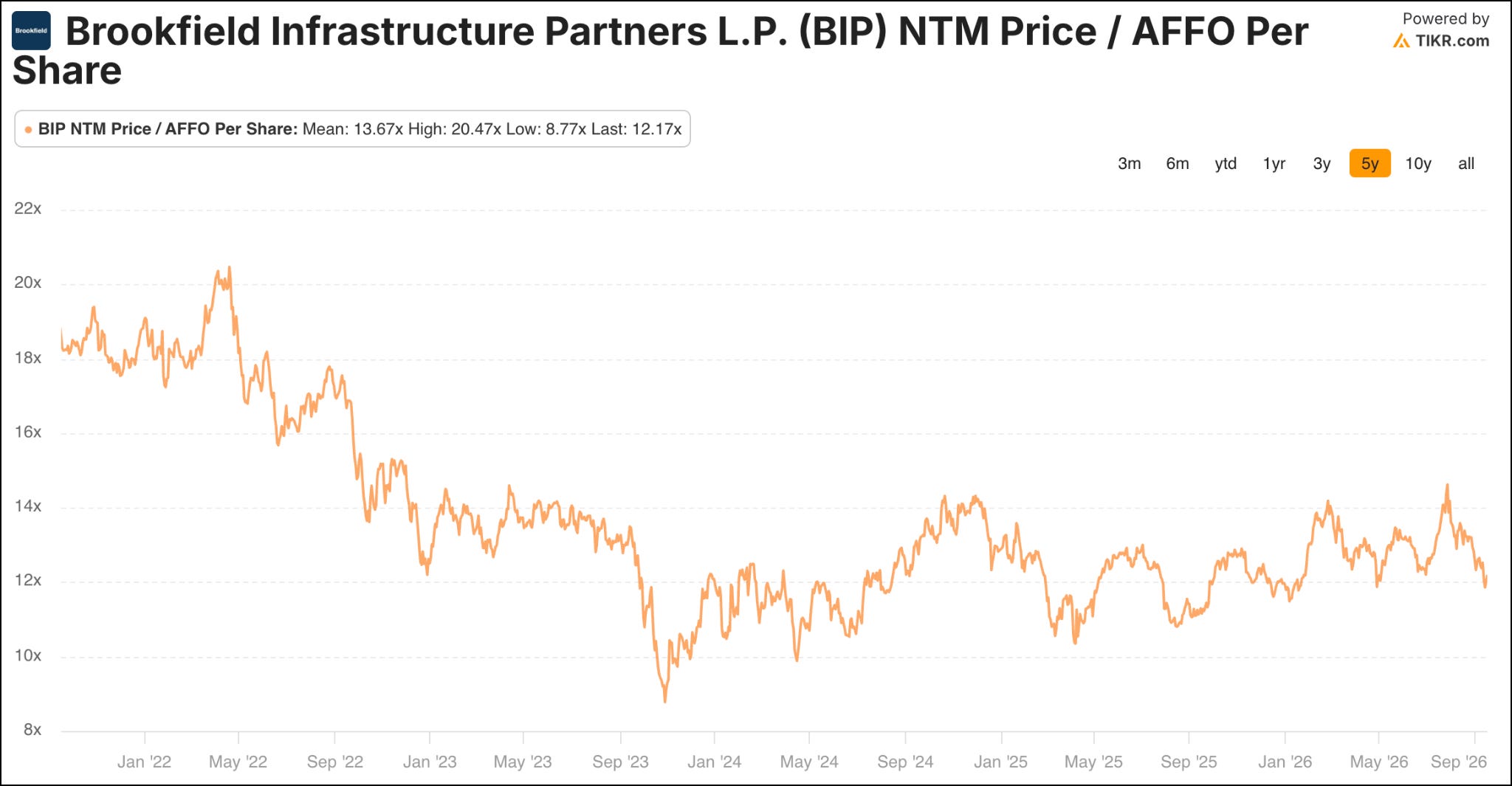
BIP is currently trading below it’s 5YR average AFFO per share multiple.
3. 💳 American Express (AXP)
Wall St. Price Target: $380.41 | Upside: 22.74%
Did you know American Express is a stock Warren Buffett added to his portfolio in 1991, and has still never sold?

It’s currently Berkshire Hathaway’s 2nd largest position.
With that being said, this is a business model that is still often misunderstood.
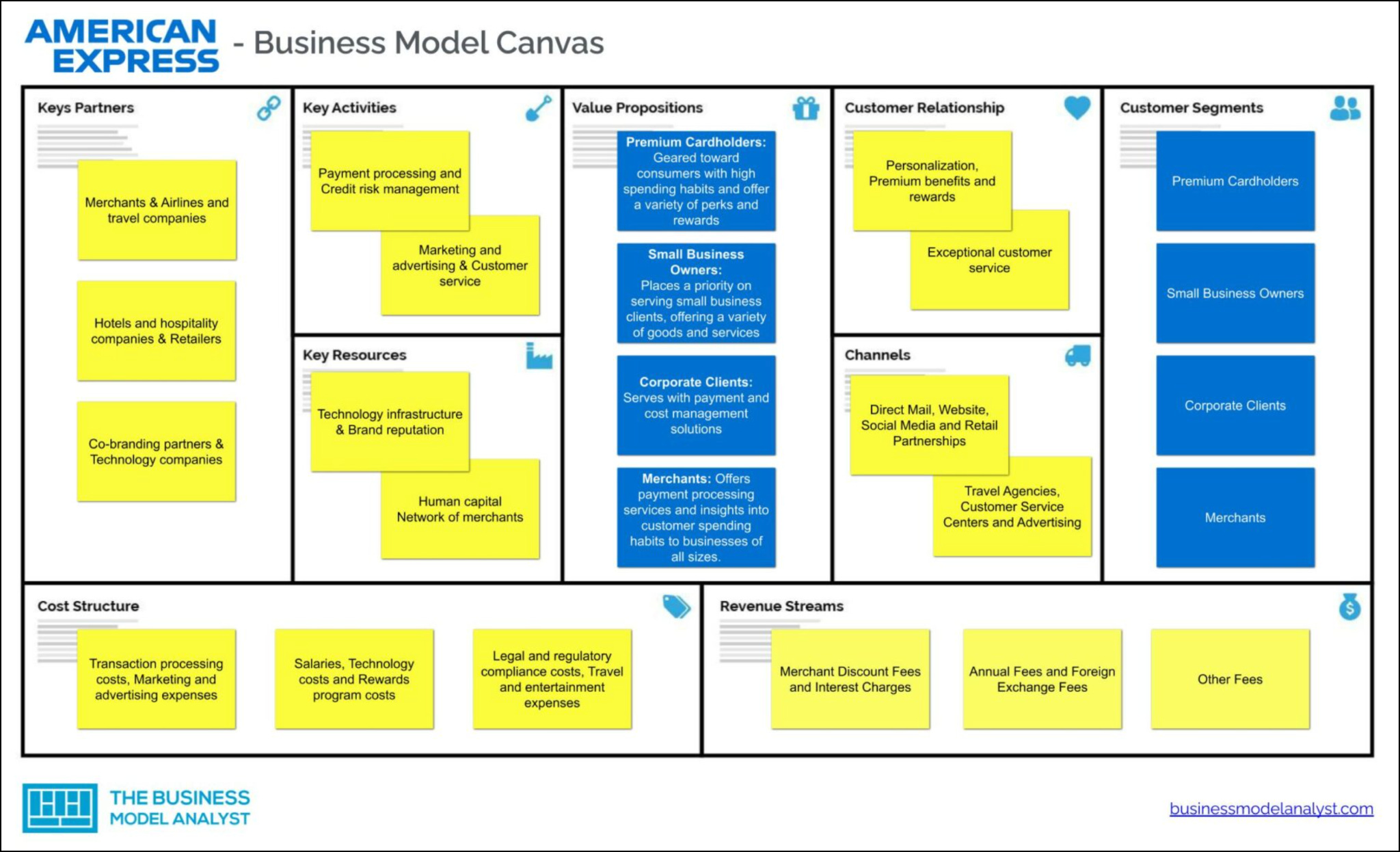
The chart below shows Amex connecting cardmembers with merchants and using airline, hotel and retail partners to make its cards more useful.
Amex earns discount revenue when members spend, annual fees on many premium cards and interest when borrowers carry balances.
Rewards, customer service and technology are the substantial costs.
This is why the model actually differs from Visa and Mastercard.
Those companies run payment networks, while banks generally issue their branded cards and make the loans.
Amex runs a network and issues many cards itself.
It can earn revenue from both spending and lending, but it also bears the credit losses when its borrowers fail to pay.
With that being said, let’s assess the data from the recent earnings report.
Cardmember spending grew 9%, its fastest currency-adjusted growth rate in three years, and earnings per share rose 11% to $4.53.
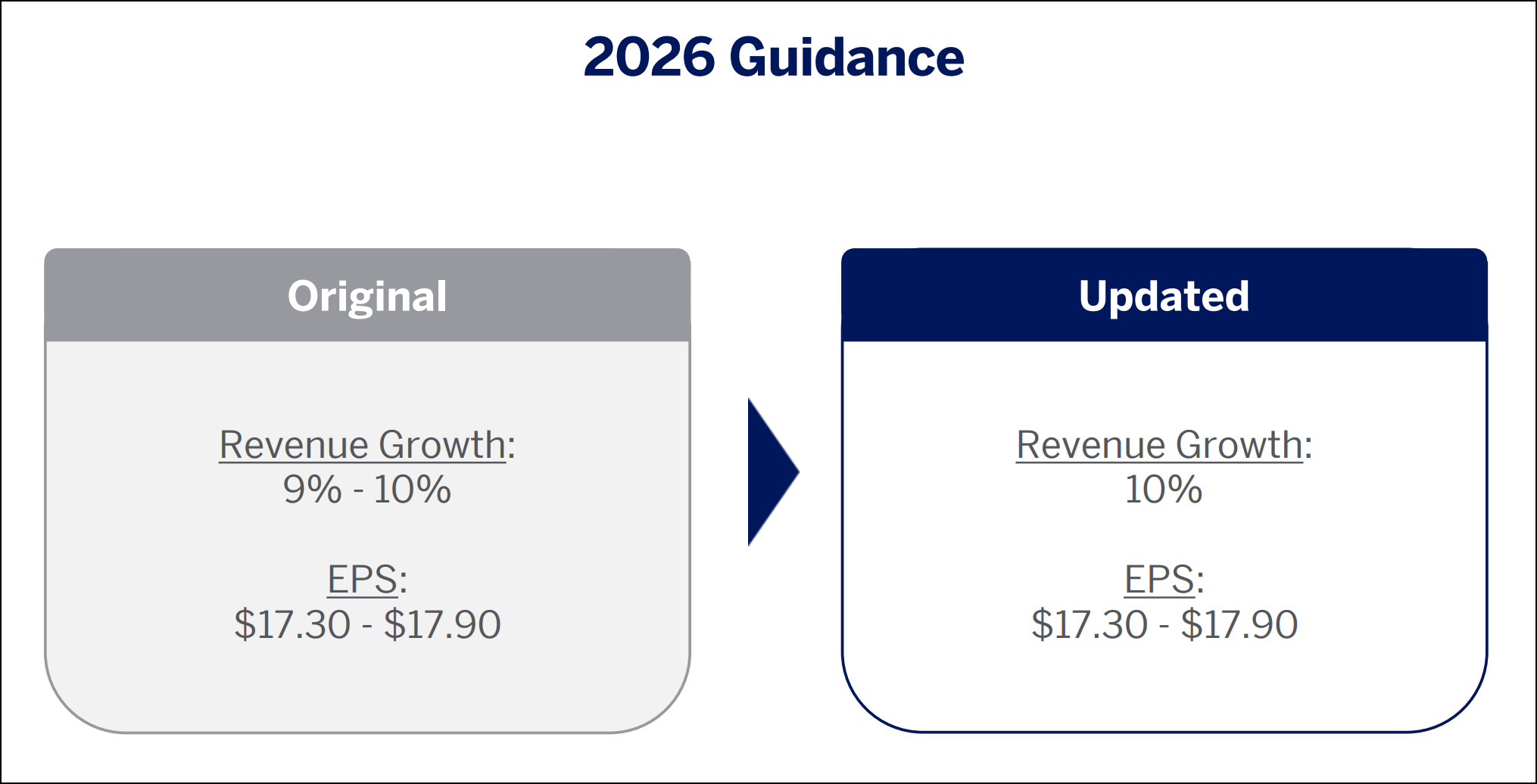
Management also raised its 2026 revenue-growth forecast to 10%.
The economics of a premium member are the part you should be watching closely.
Net card fees rose 15% to $2.86 billion, while variable customer engagement costs, including rewards and services, rose 17% to $8.76 billion.
Those figures are not a profit calculation: Amex also earns revenue when members spend.
But adding fee-paying customers creates value only if their fees and spending ultimately justify what Amex spends to attract and retain them.
If engagement costs keep outpacing fees without a matching lift in merchant revenue, earnings could end up falling short of what Wall Street’s expectation are.
Amex currently has a yield of 1.22%, but an incredible 5 YR dividend CAGR of above 15%!
From a valuation perceptive, they currently trade right in-line with their historic valuation multiples.
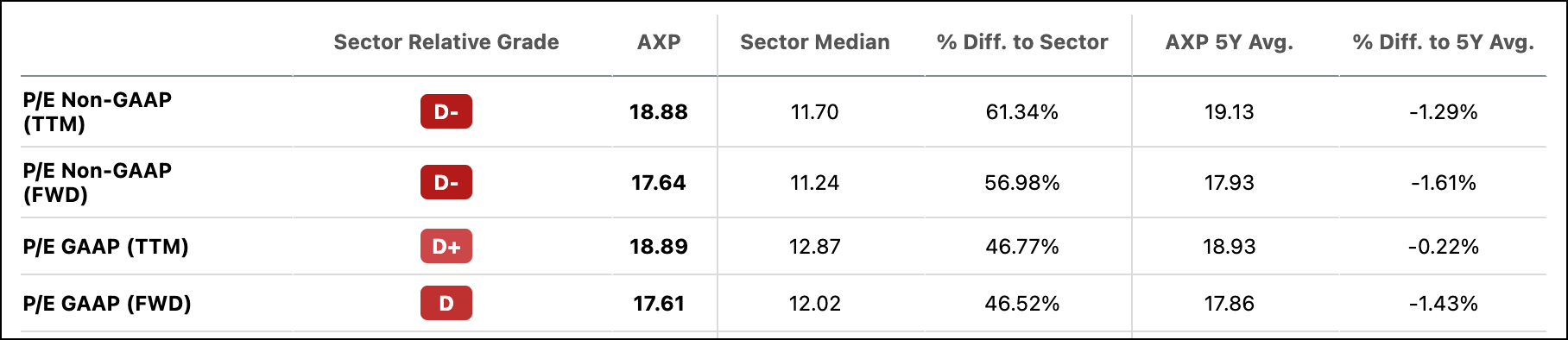
With EPS growth estimates currently sitting at around 14% over the next few years, AXP is an example of a quality stock trading at a fair valuation.
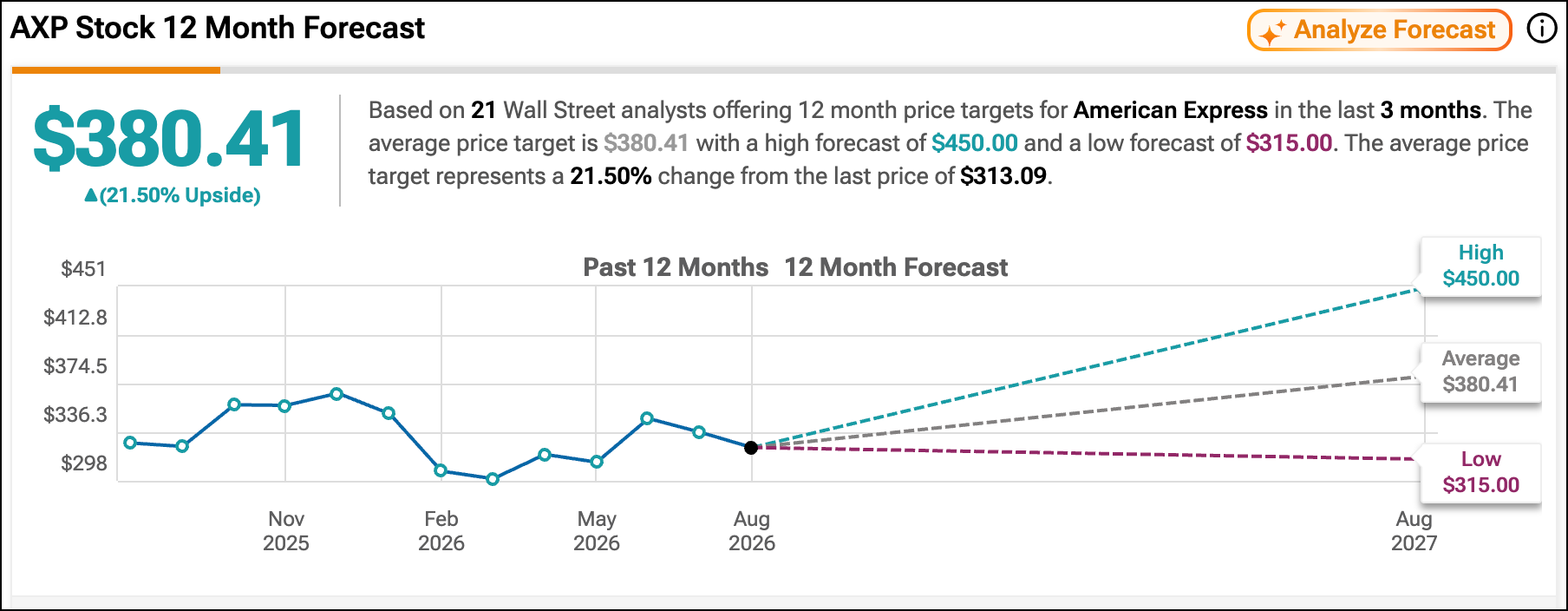
Wall Street currently has an average price target of $380.41, or roughly 22% upside from currently prices.
Now, let’s dive into the full list of dividend stocks with the most upside according to Wall Street.
As a reminder, this list is updated monthly, and is always available on Dividendology.com by visiting our database.