

Yesterday, we launched the Dividendology Midstream/MLP Database.
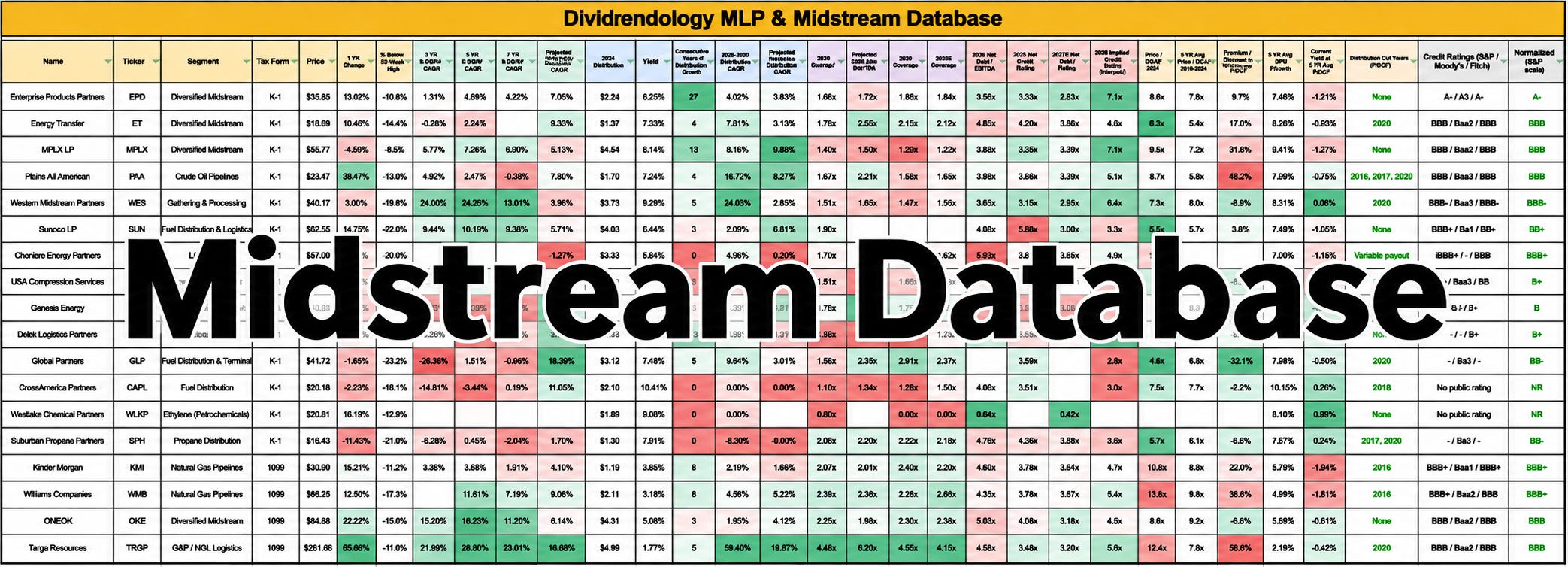
Today, I want to explain why I’m so interested in the businesses behind these investments-
Especially as AI changes where companies are spending their money.
For years, some of the most attractive business models had one thing in common:
They could grow without constantly building more physical assets.
These companies could:
Generate high returns on invested capital
Expand their profit margins
This led to capital light businesses expanding their ‘MOAT’ (AKA: competitive advantage).
A software company could develop a product once and sell it to millions of customers.
Revenue could grow much faster than expenses, allowing margins to expand and the business to earn high returns on the capital it invested.
It’s easy to understand why investors loved the capital-light model.
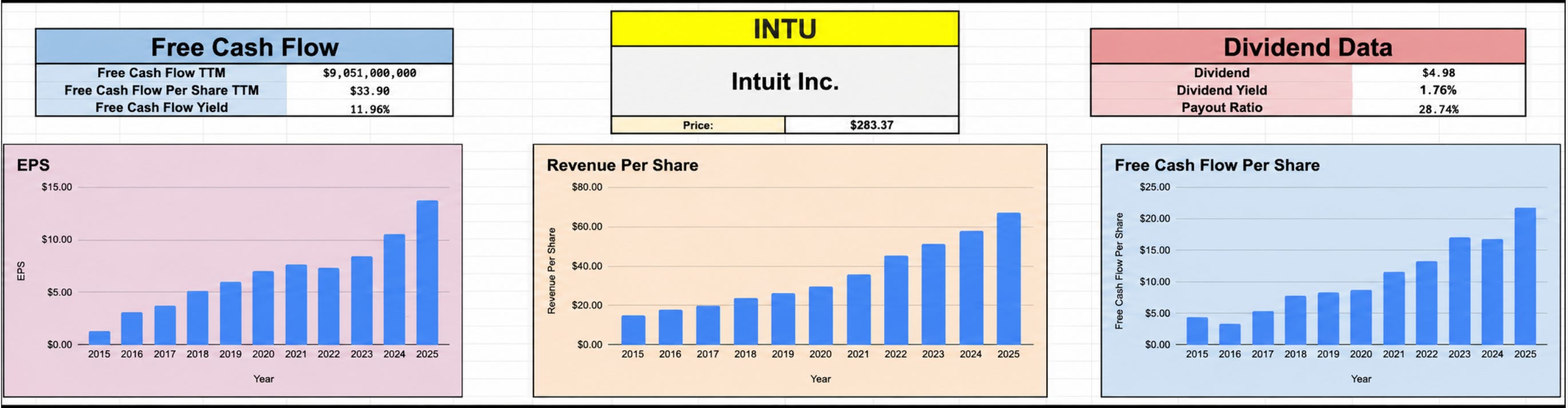
But AI is forcing us to reconsider how durable some of those competitive advantages really are.
If AI makes it faster and cheaper to write software, replicate features, or automate a service, it can also make it easier for competitors to enter the market.
A product that once required a large development team and years of work may face competitors that can build something similar with far less people and less capital.
All of a sudden, the business faces new competitors leading to:
Lower returns on invested capital
Lower profit margins
In other words, the MOAT has weakened significantly for ‘capital light’ business.

This is what makes ‘real asset’ businesses so attractive right now.
AI can help someone build competing software…
It doesn’t give them an existing pipeline network, a strategically located property, or the permits and rights of way needed to build energy infrastructure.
Those assets can take enormous amounts of money and years of development to replicate.
Railroads are one of the best historical examples that come to mind.
Their tracks, terminals, and rights of way required ENORMOUS investment, creating networks that new competitors would struggle to replicate.
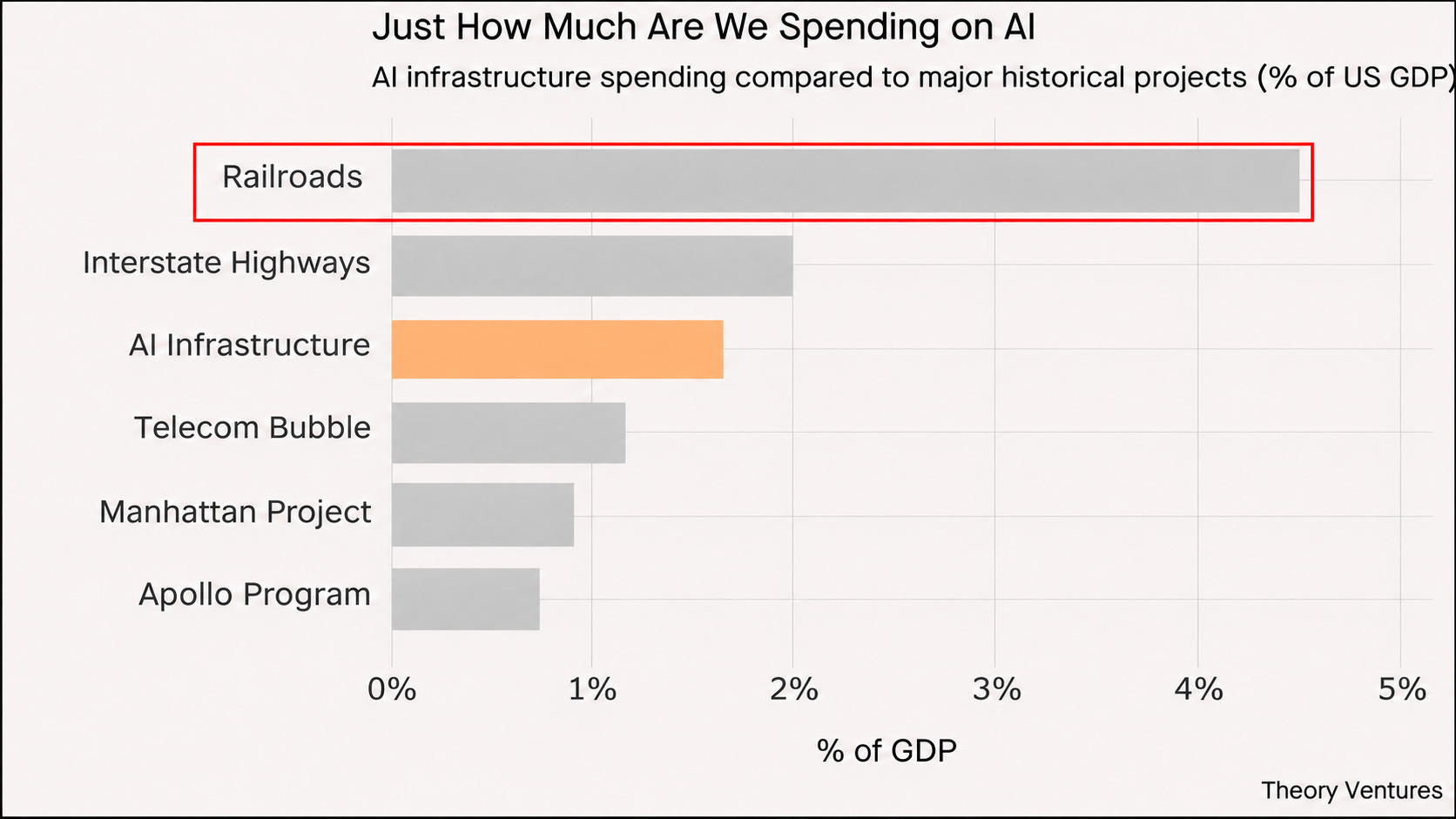
From 1900 through 2014, $1 invested in U.S. railroad stocks grew to approximately $62,700 with dividends reinvested-
Compared with $39,100 for the broader U.S. market.
Railroad stocks finished with 60.4% more wealth than the broader U.S. market.
An industry built around undisruptable physical infrastructure generated more ending wealth across 115 years of technological change.
The capital spending that once made these businesses less attractive can become part of what protects them from competition.
Now, think about an established midstream business.
It has already invested in pipelines, processing facilities, storage infrastructure, and connections to customers.
For example, look at MPLX:
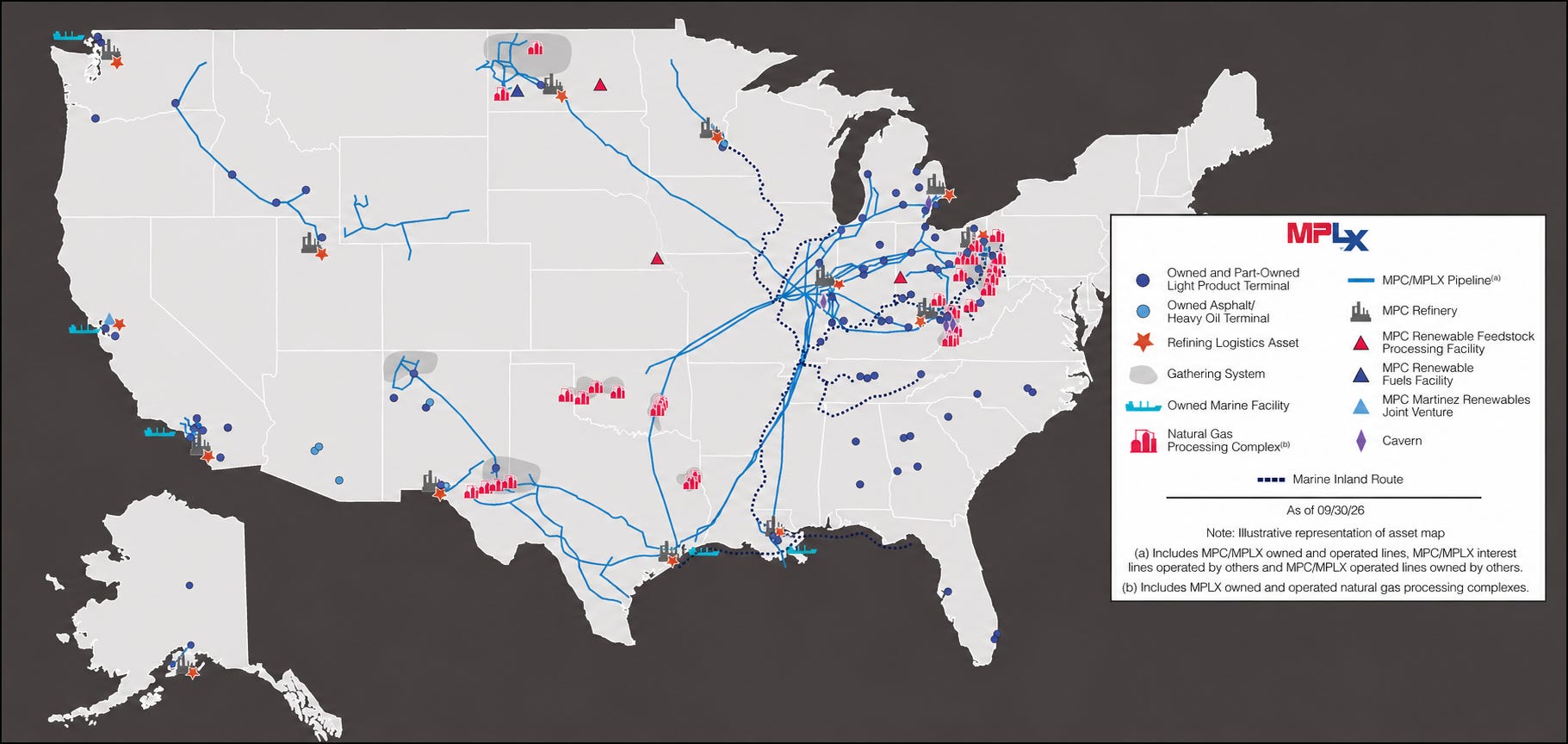
A new competitor needs far more than a better idea or a cheaper software product to replace that network.
It needs the infrastructure, approvals, significant time, and enough committed customers…
And a massive capital investment just to have a small chance to compete.
Meanwhile, the existing network (MPLX) can continue serving customers who depend on it to operate their own businesses.
That creates the potential for durable cash flow, particularly when those assets are supported by strong contracts, creditworthy customers, and manageable debt.
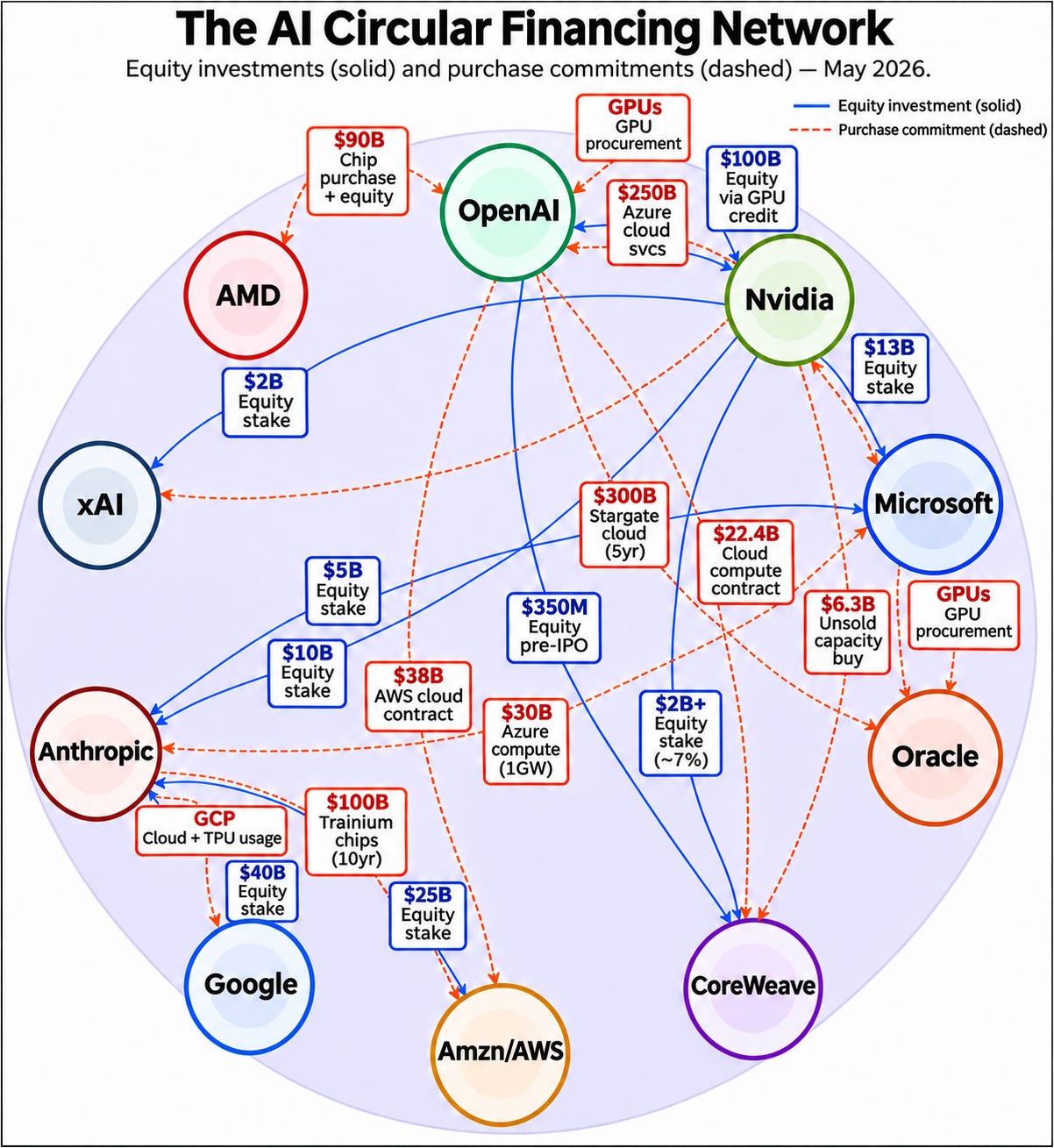
As AI makes many businesses easier to disrupt with some providing lower quality earnings due to circular financing—
Businesses with ‘real hard assets’ generating high quality earnings deserve far more attention.
Of course, owning physical assets doesn’t automatically create higher-quality earnings.
For Example:
A pipeline can carry too much debt
A property can have a weak tenant
An expensive asset can earn a poor return
But these are still the type of businesses that many have not yet realized have an incredibly strong MOAT, and the ability to generate consistent cash flow for decades to come.
That’s exactly the kind of analysis we want to do in midstream.
We need to understand:
How well cash flow covers the distribution
How much debt the business carries
How much spending is needed to maintain its assets
Whether the current valuation offers an attractive opportunity
Ironically enough, most investment software don’t provide this data on alternative income asset classes.
That’s why we just released the Dividendology Midstream/MLP Database.
The goal is to bring this research together so members can more easily compare businesses and identify opportunities worth a closer look.
It joins our REIT, BDC, and Covered Call ETF databases as another foundation for researching potential additions to our High Yield Portfolio and Dividend Growth Portfolio.
If you want to get access to this database, as well as all other Dividendology features mentioned below, you can do so here:
The goal of this newsletter is to help you compound your knowledge and your wealth-
And to make this the number 1 place for information and research on dividend growth
and high yield strategies.
With the features being released this week, I am confident we can make that happen.
Dividendology