

The Most Important Investing Data You’ve Been Missing
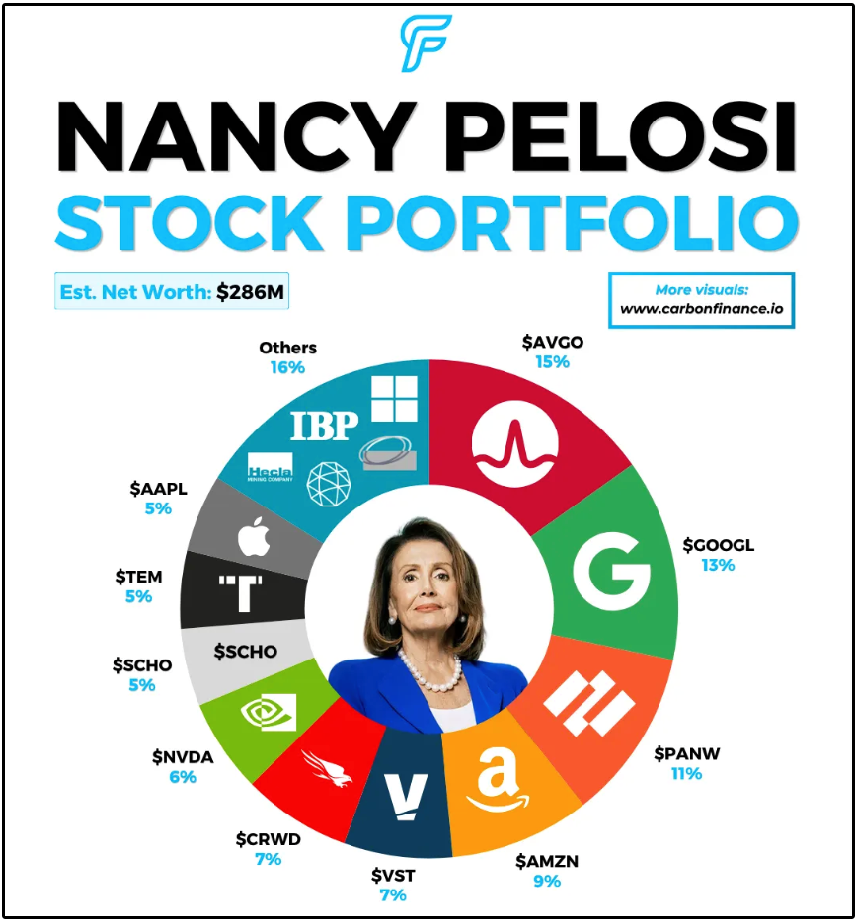
Meet your new secret weapon in the investing world.
Carbon Finance is a visual newsletter that filters the noise and delivers the most important infographics, insights, and insider trades in the stock market.
In just a 5-minute read, you’ll get the critical information you need in a visually appealing and easy-to-understand format every Sunday.
The best part? Dividendology readers can join today completely for free.
Don’t miss out. Join nearly 50K+ investors today — click here to subscribe now.
Thanks Carbon Finance for sponsoring.
Stealing From The Greats
Have you heard of Mohnish Pabrai?
His funds delivered compound returns of over 28% annually from 1999 to 2006.
His secret?
Being a shameless Buffett copycat.

“I’m a shameless copycat. Everything in my life is cloned…..I have no original ideas.” -Mohnish Pabrai
One of my favorite ways to find investment ideas?
Stealing from Super Investors.

Super investors are investors with over $100M in assets under management.
Every 3 months, they are required by law to reveal all of the moves they’ve been making in their portfolio.
So every quarter, I research and compile data on the 50 most frequently bought dividend stocks by Super Investors.
This not only reveals some interesting moves they’ve been making, but at times can also reveal some underlying trends where the big money is moving.
Super Investor Database
Members of Dividendology get access to the Super Investors database.
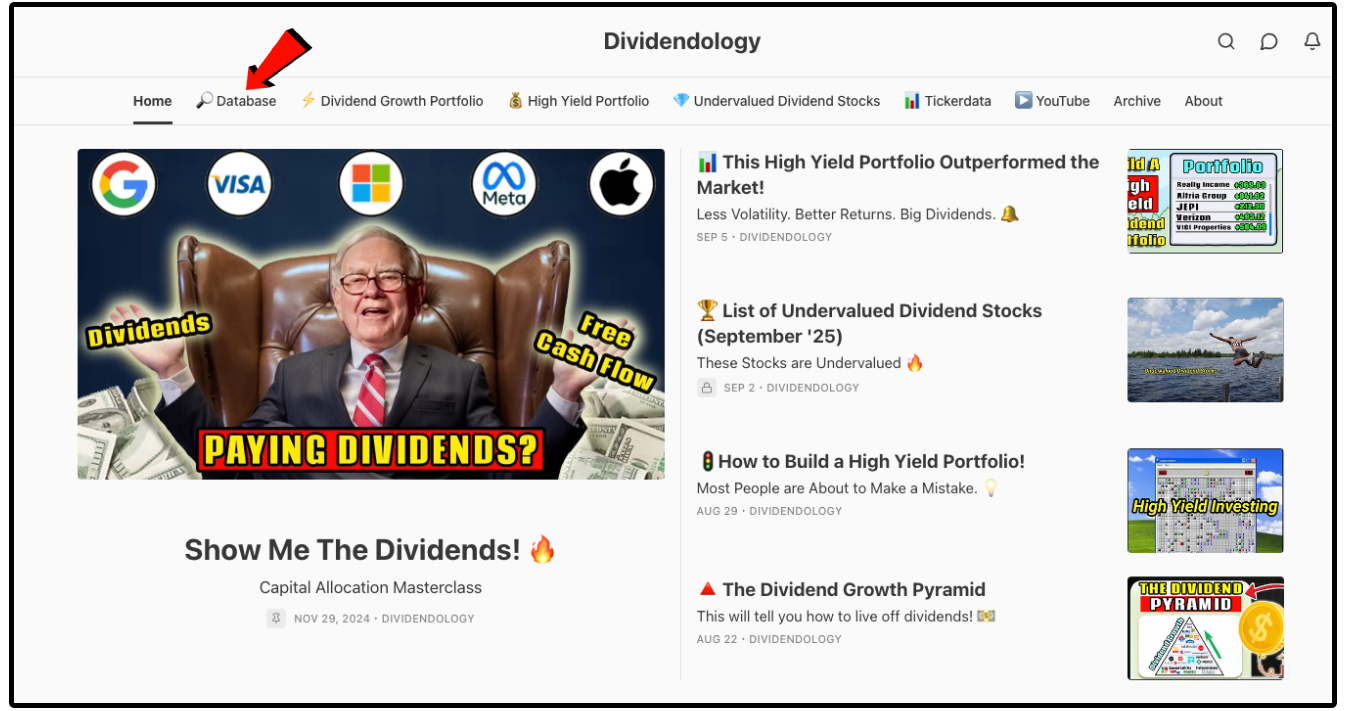
While each quarter gives us insight into where capital is moving-
More importantly, it reveals the underlying trends of where the smart money has been moving over longer periods of time.
It allows us to see which dividend stocks are consistently attracting attention from Super Investors, and it can also help us identify the valuation ranges where these investors appear to find certain businesses attractive.
This is where the real insights come from.
Texas Instruments is a great example.
Texas Instruments was:
The 7th most frequently bought stock in Q4 2025
The 12th most frequently bought stock in Q2 2025
The 6th most frequently bought stock in Q1 2025
However, it didn’t make the list in Q3.
But when you compare those buying patterns to the stock’s price action throughout 2025, the story becomes much more interesting.
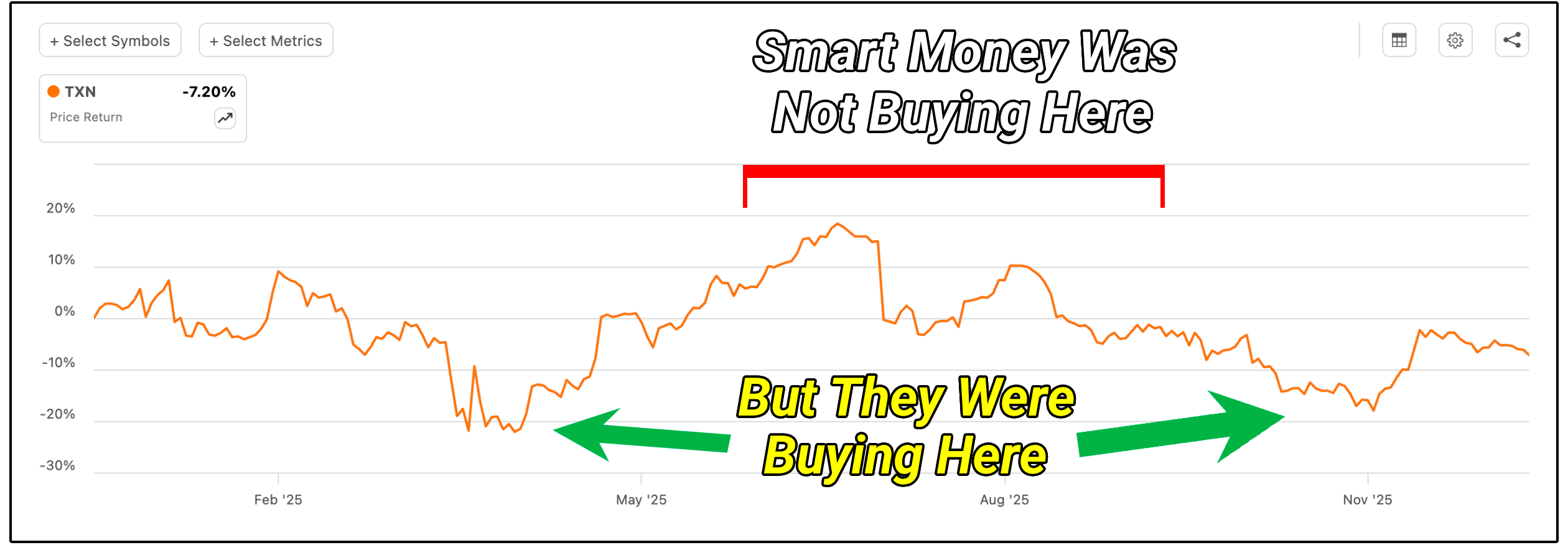
While most of the financial media was focused on the Magnificent 7 and the AI-related stocks that Super Investors were buying, Texas Instruments was quietly being accumulated in the background.
And over the last year, that under-the-radar accumulation has been followed by a massive move higher.
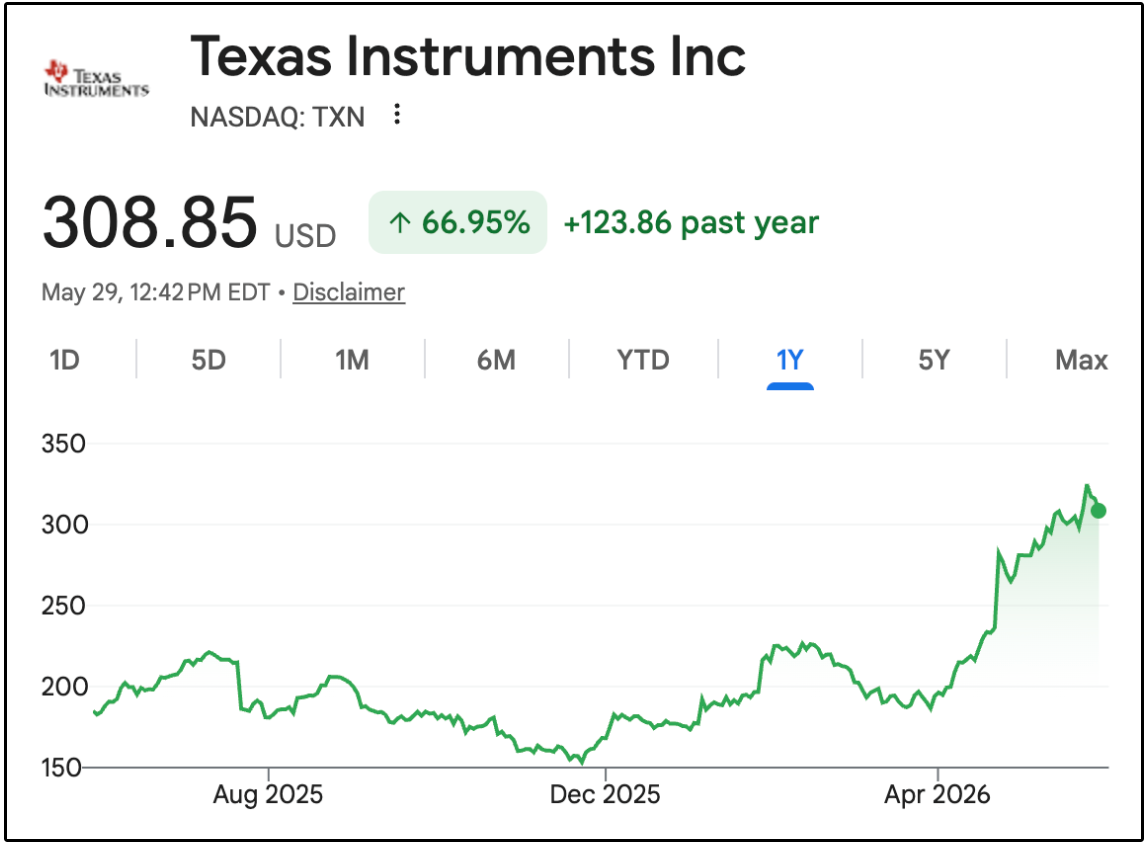
TXN is now up 67% over the last year and 74% year to date.
This is exactly why tracking Super Investor activity can be so valuable.
The goal is not to blindly copy every move they make, it’s to identify patterns.
📊 Where the Money is Moving
Let’s review where capital is flowing right now.
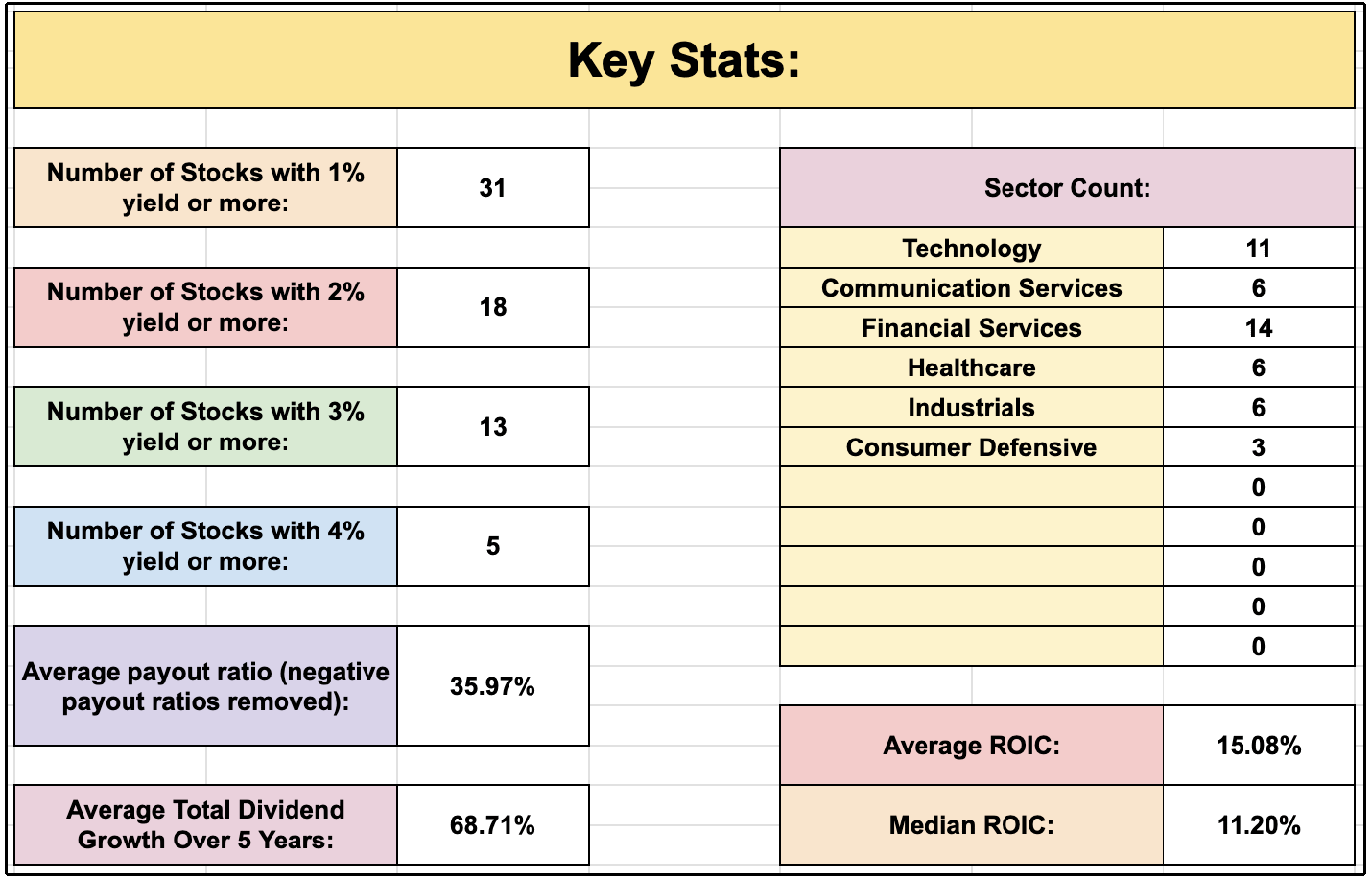
The most widely bought sector by Super Investors this quarter was financials.
This is the second quarter in a row that this has been the case.
It’s certainly worth taking note that the financial sector has been the worst performing sector over the last year, currently down by over 6%, while the S&P 500 is up nearly 11%.
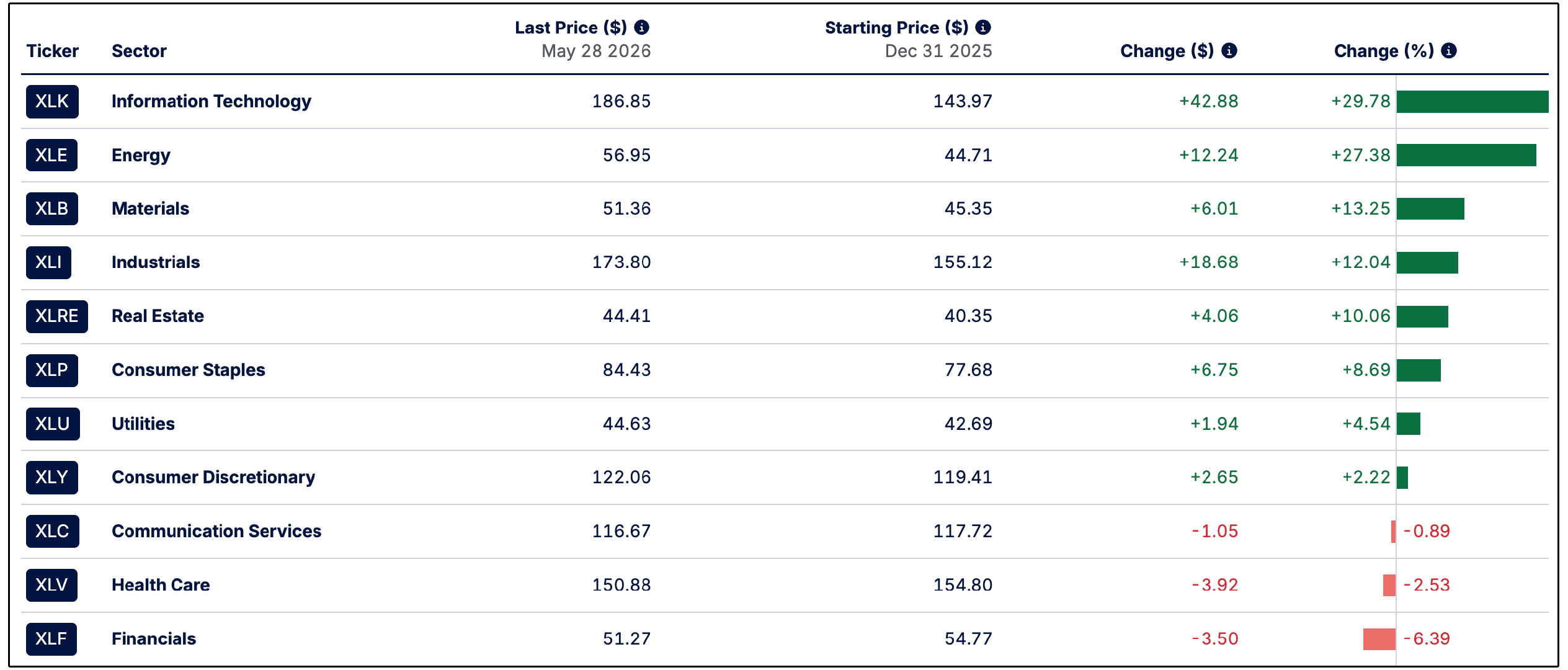
This difference in performance has led to a widening valuation gap between the market and the financial sector.
Financials have historically traded at a discount to the market when compared via P/E multiples-
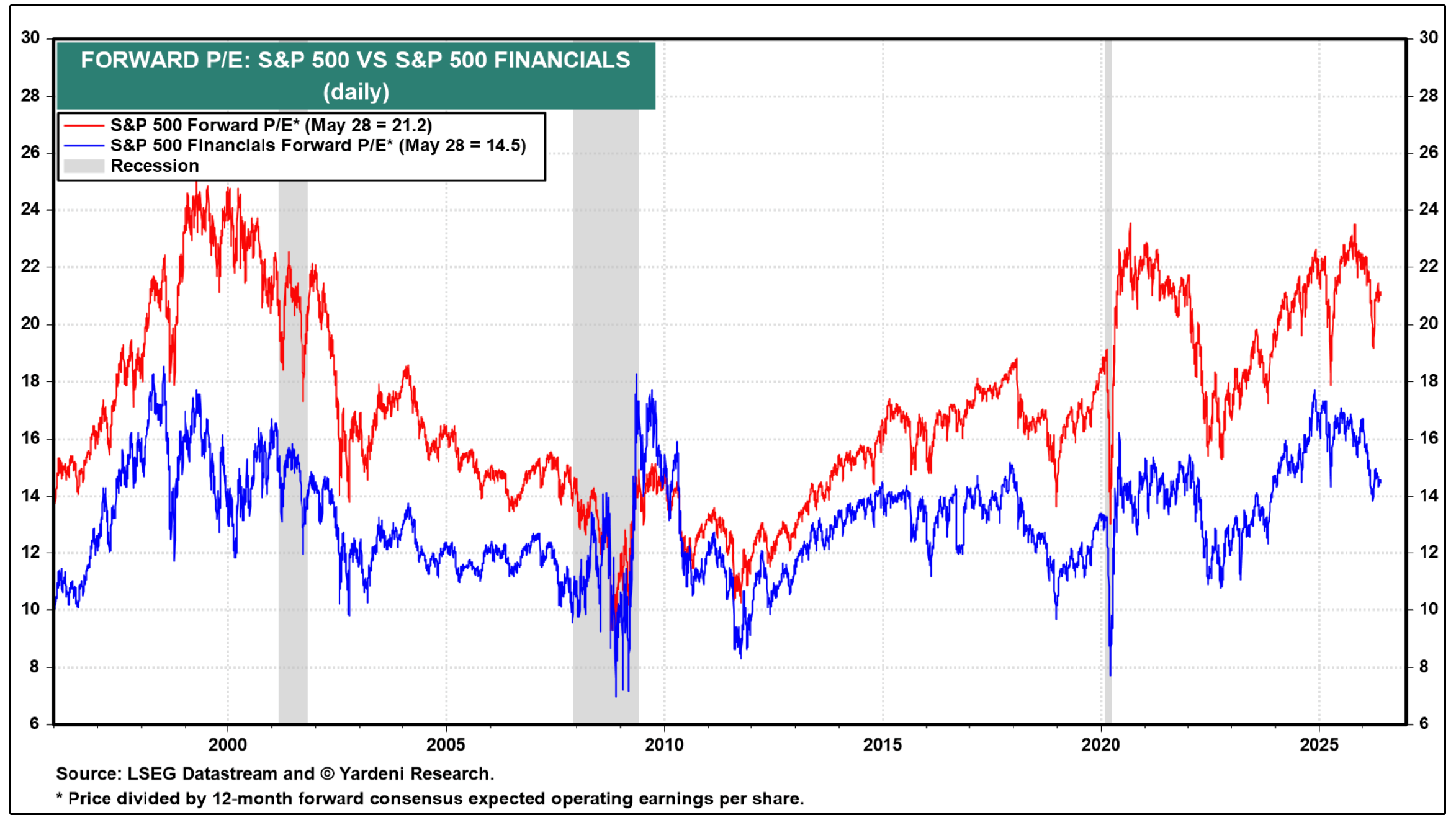
But the reality is that it is typically much better to value most financial stocks (more specifically, bank stocks) with a price to book ratio, which essentially represents what would theoretically be left for shareholders if the company sold all its assets and paid off all its debts.
However, financial companies like Visa, Mastercard, and S&P Global are much better off with traditional valuation metrics.
Along with this, Super Investors frequently bought tech stocks, with a strong bias toward dividend growth stocks.
The average 5 year total dividend growth of the stocks in the top 50 was over 68%.
💰 Super Investors Top 10 Buys
These were the top 10 most bought dividend stocks by Super Investors in the most recent quarter:
MSFT — Microsoft 🖥️
META — Meta Platforms 📱
V — Visa 💳
DIS — The Walt Disney Company 🏰
SUNB — Sunbelt Rentals Holdings 🏗️
UNH — UnitedHealth Group 🏥
NVDA — Nvidia 🤖
CMCSA — Comcast 📺
GOOG — Alphabet 🔎
AVGO — Broadcom 📡
📝 The Full List
Below is the full list of the 50 Most Bought Dividend Stocks by Super Investors:
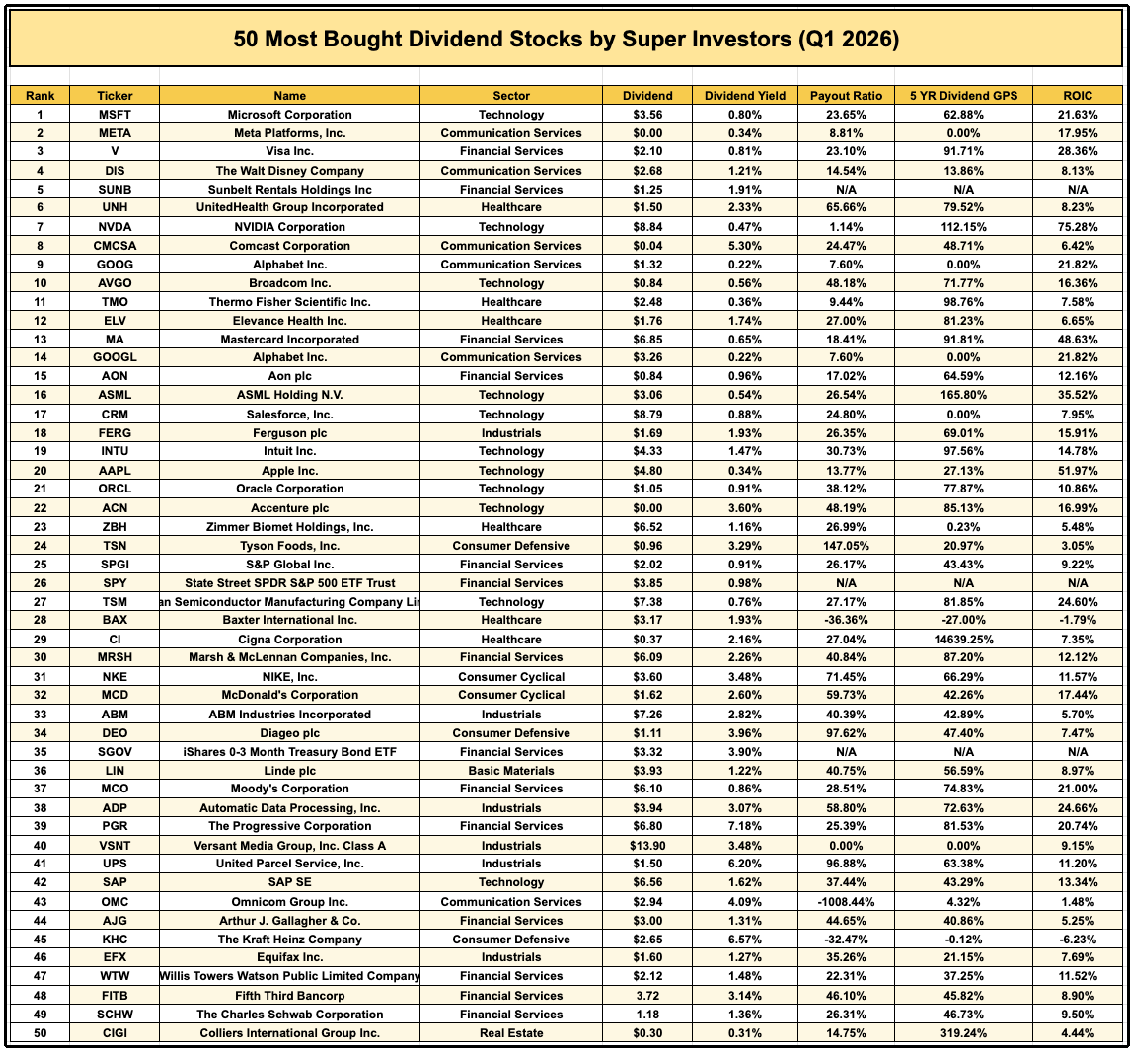
You can download the above spreadsheet for free here:
Let’s look at the key moves from just a few of the top Super Investors:
1. Bill Ackman
Bill Ackman got the most attention this 13F season for one single move-
Selling out of Google to buy Microsoft.
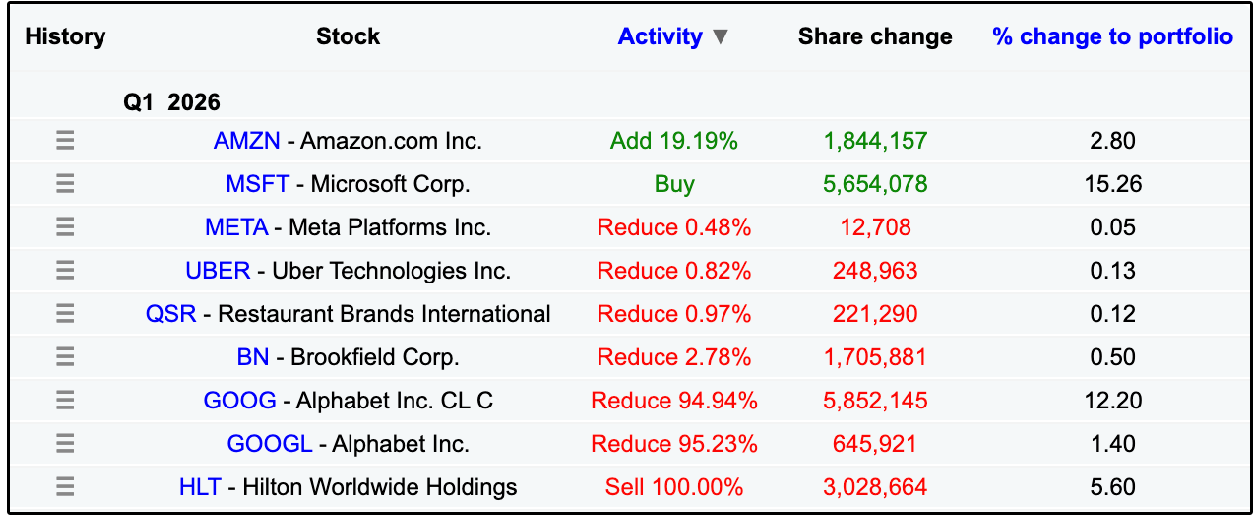
Ackman is a concentrated investor, with just 7 positions making up nearly the entirety of his portfolio.
Microsoft has become an incredibly interesting case study on valuation, as they are currently trading at their lowest P/E multiple in the last 5 years-
While simultaneously trading at their highest P/FCF multiple in the last 5 years.
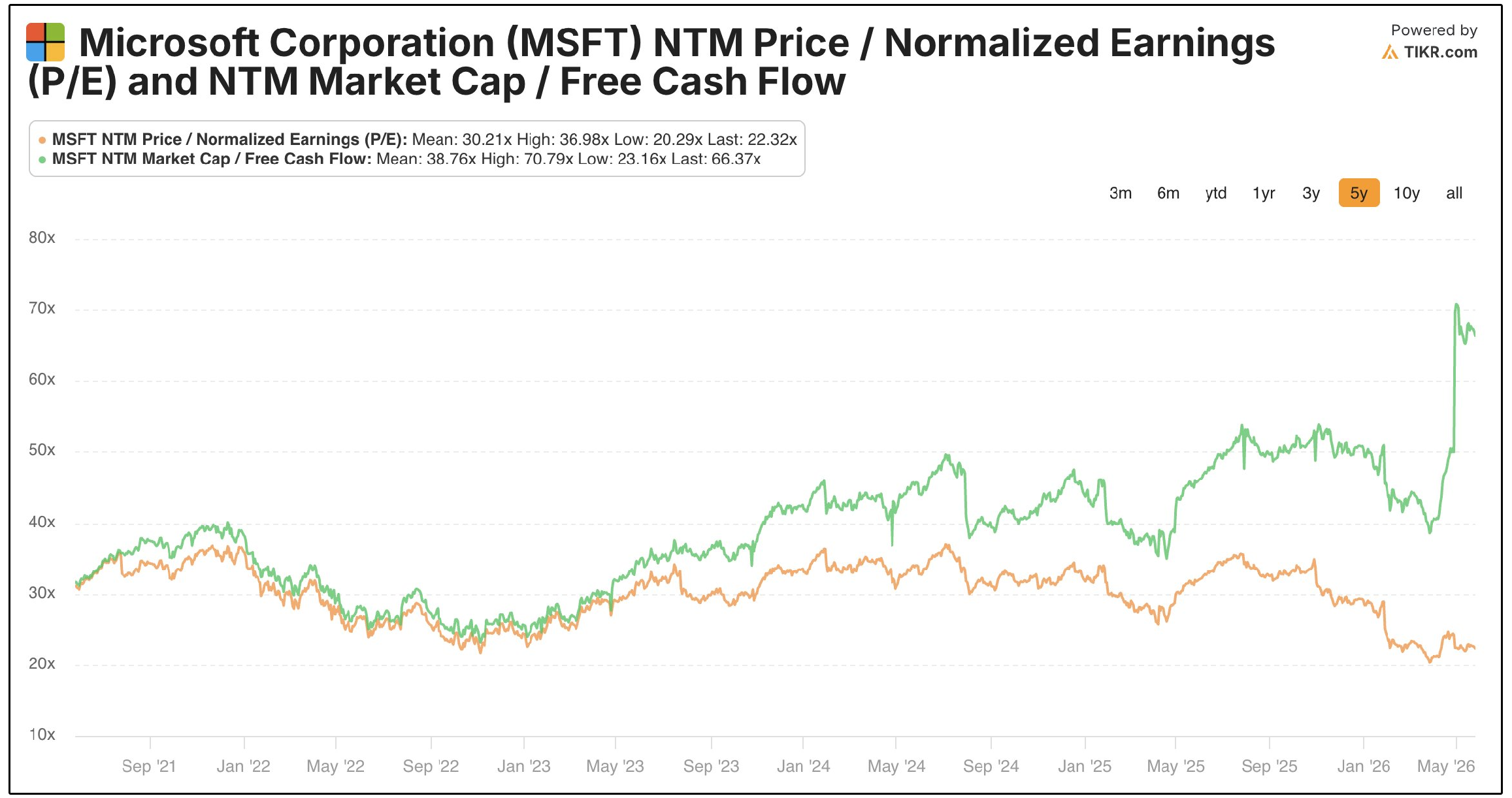
Of course, this is the natural result of MSFT heavily increasing their capex spending to support their cloud and AI offerings.
Free cash flow = Operating cash flow - capital expenditures
So naturally, a drastic increase in capex spending will lower free cash flow.
However, it is important to remember that not all capex is created equal.
In general, there are two types of capital expenditures:
Maintenance capex is spending required simply to keep the business running at its current level. It preserves existing revenue but does not meaningfully increase future earnings power.
Growth capex, on the other hand, is discretionary investment aimed at expanding capacity, unlocking new revenue streams, and increasing long-term cash flow.
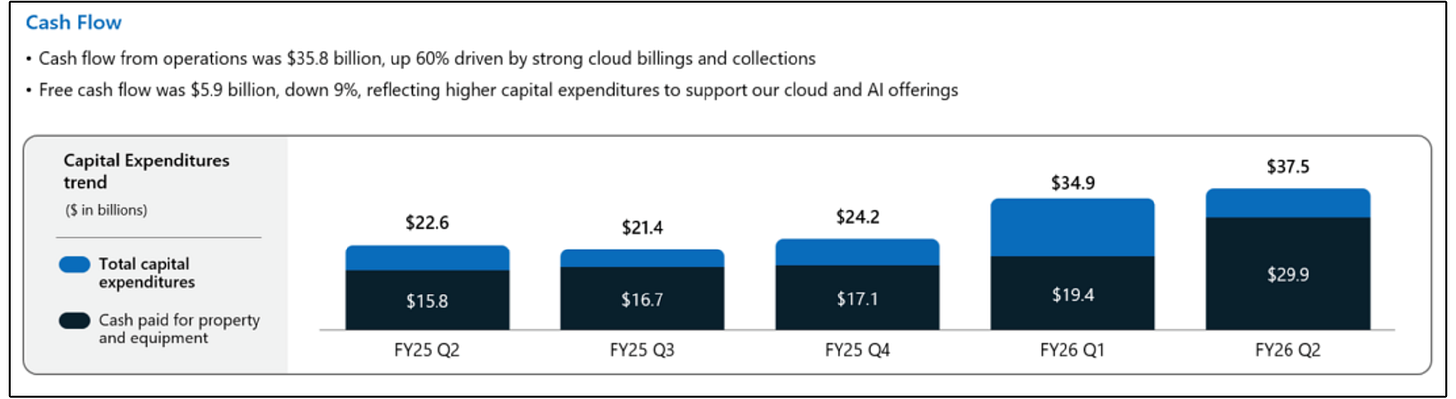
The vast majority of Microsoft’s elevated capex today falls firmly into the growth capex category.
Microsoft is building out global data center capacity, AI infrastructure, and long-lived cloud assets to meet demand that already exists.
How do we know that demand exists?
Microsoft now has one of the strongest forward revenue backlogs in all of big tech.
Commercial remaining performance obligations (RPOs, which represent signed customer contracts that have not yet been recognized as revenue) have surged to $392B (+51% YoY).
Bill Ackman has stated that he views MSFT as one of the few companies with the customer relationships, distribution, security, compliance, and infrastructure needed to monetize AI across the enterprise.
2. Berkshire Hathaway
This was the first quarter in history where Berkshire Hathaway was not led by Warren Buffett-
And the moves they made reflected this.
The new CEO, Greg Abel, reduced the total holdings of Berkshire Hathaway from 41 down to 29.
And in doing so, he ensured that this quarter would make over 12 quarters in a row of Berkshire Hathaway being a net seller of stocks.
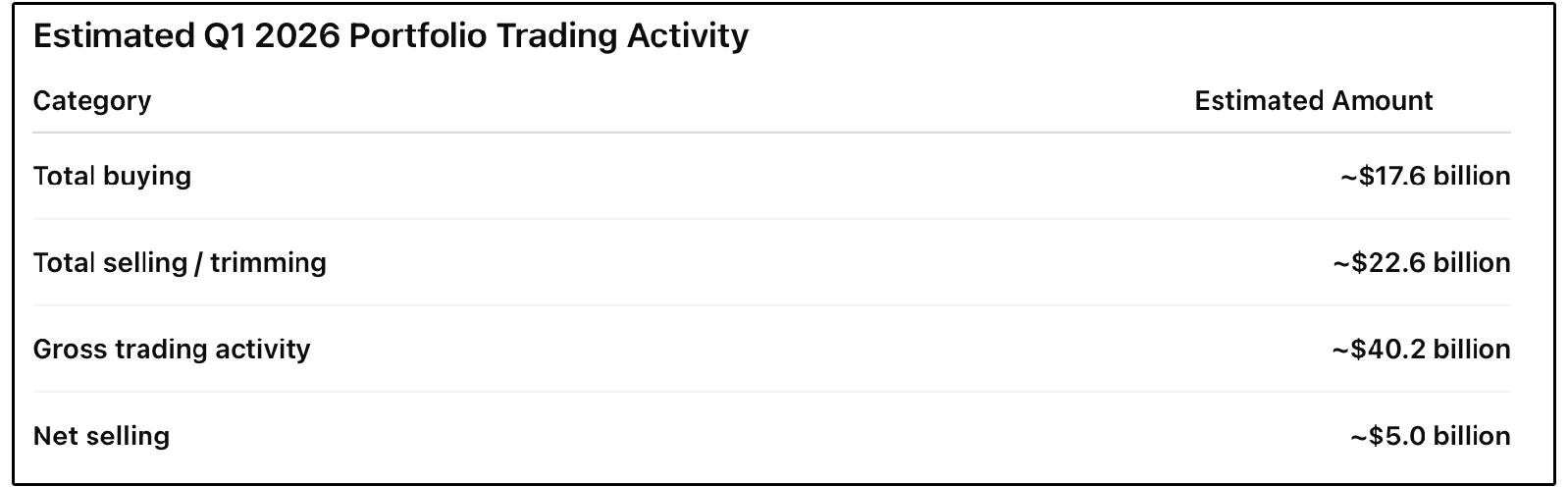
For reference, this is the most amount of trading activity Berkshire has seen in years.
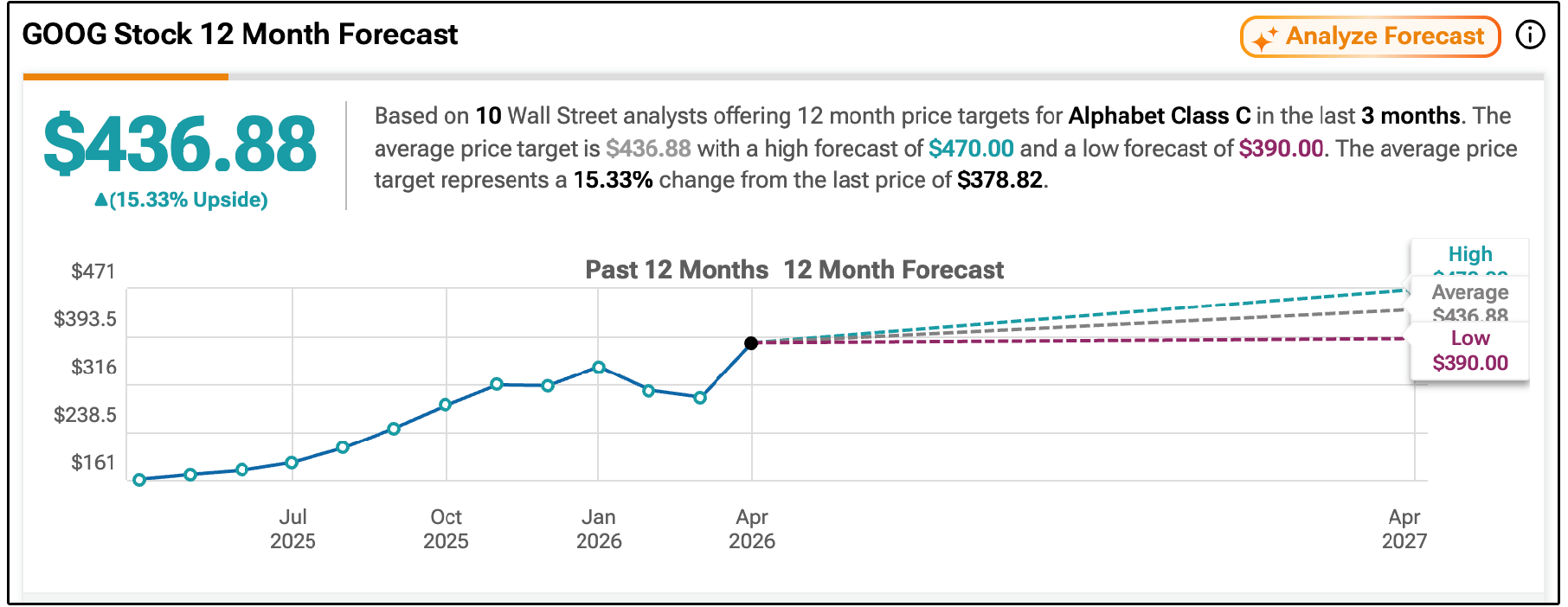
The biggest move they made was tripling their Google position, making it the 7th largest position in their portfolio.
Despite climbing around 120% in the last year, the average analyst price target still gives Google over 15% upside from current prices.
3. Valley Forge Capital Management
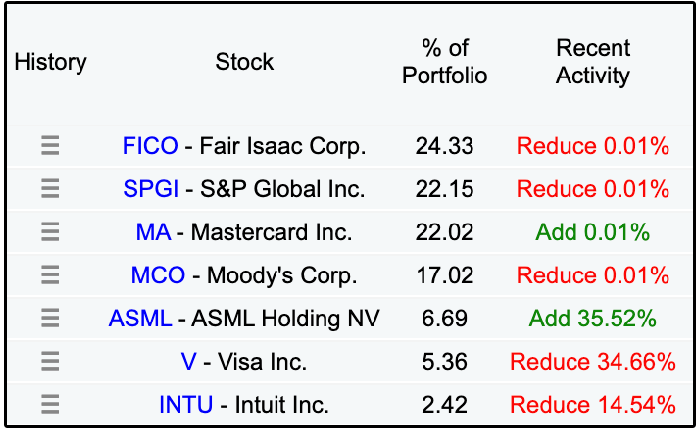
Valley Forge Capital Management is run by Dev Kantesaria, who focuses on investing in what he believes to be the highest quality businesses available at a fair valuation.
This strategy perfectly explains his largest purchase this quarter, increasing his ASML position by over 35%.
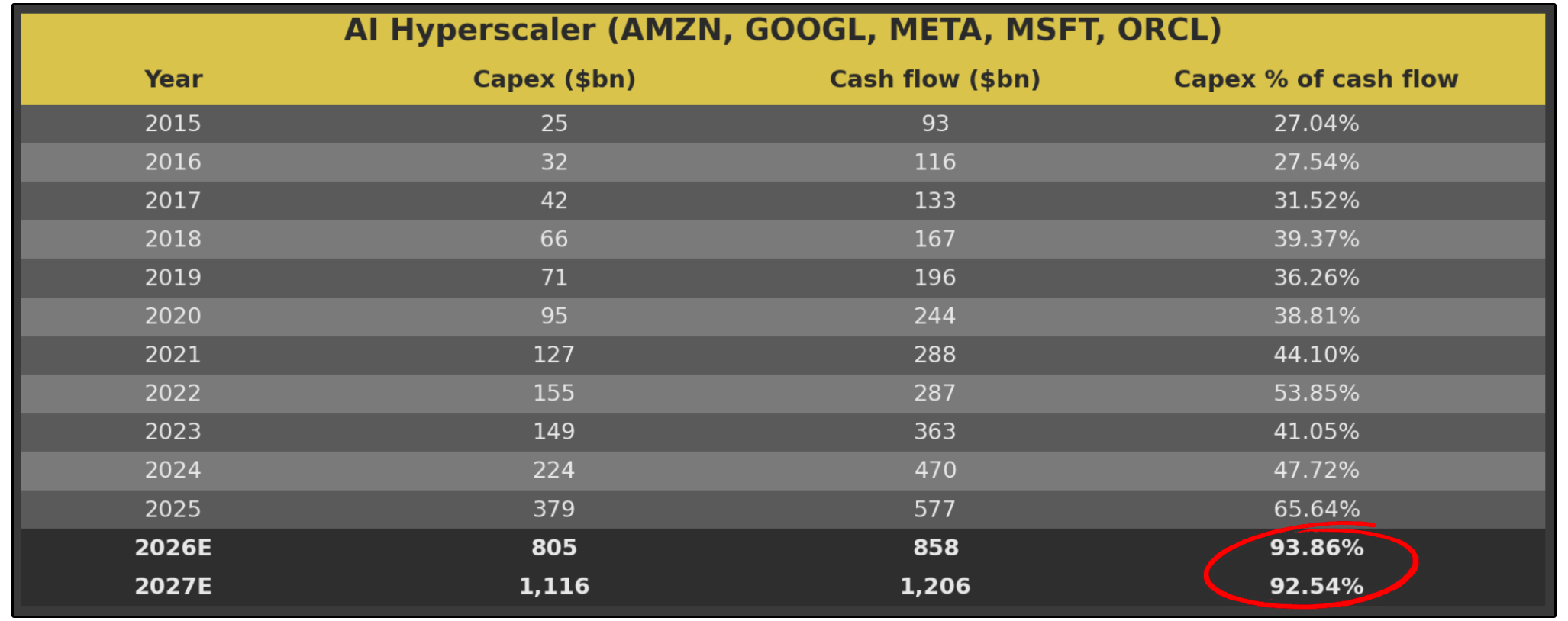
Capex spending from big tech stocks has not only met expectations over the last couple of years, most companies (like Meta and Microsoft) have even increased their projections for future capex spending.
I ran the numbers based on the latest available data and projections that the management teams had given us-
And capex as a percentage or revenue for AI Hyperscalers is now set to be around 93% in both 2026 and 2027.
Naturally, we should ask: Where is this capital flowing?
In the AI semiconductor value chain, all roads lead to ASML.
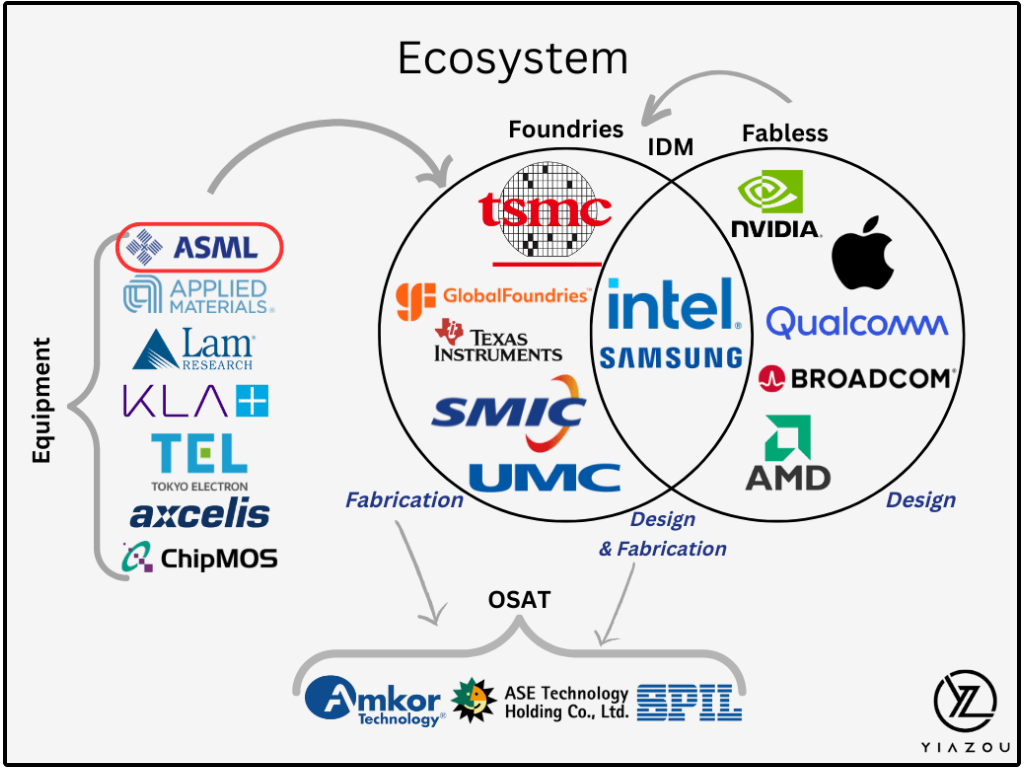
ASML is the sole manufacturer of extreme ultraviolet (EUV) lithography machines, which are critical for producing the world’s most advanced computer chips.
These are the machines used to etch the smallest, fastest, most advanced semiconductor chips in the world.
An ASML EUV machine has:
100,000+ parts
2 km of wiring
Over 40 companies contributing subsystems
The company has one of the widest MOATs on the planet, and is virtually a monopoly.
All capex spending eventually flows back to ASML.
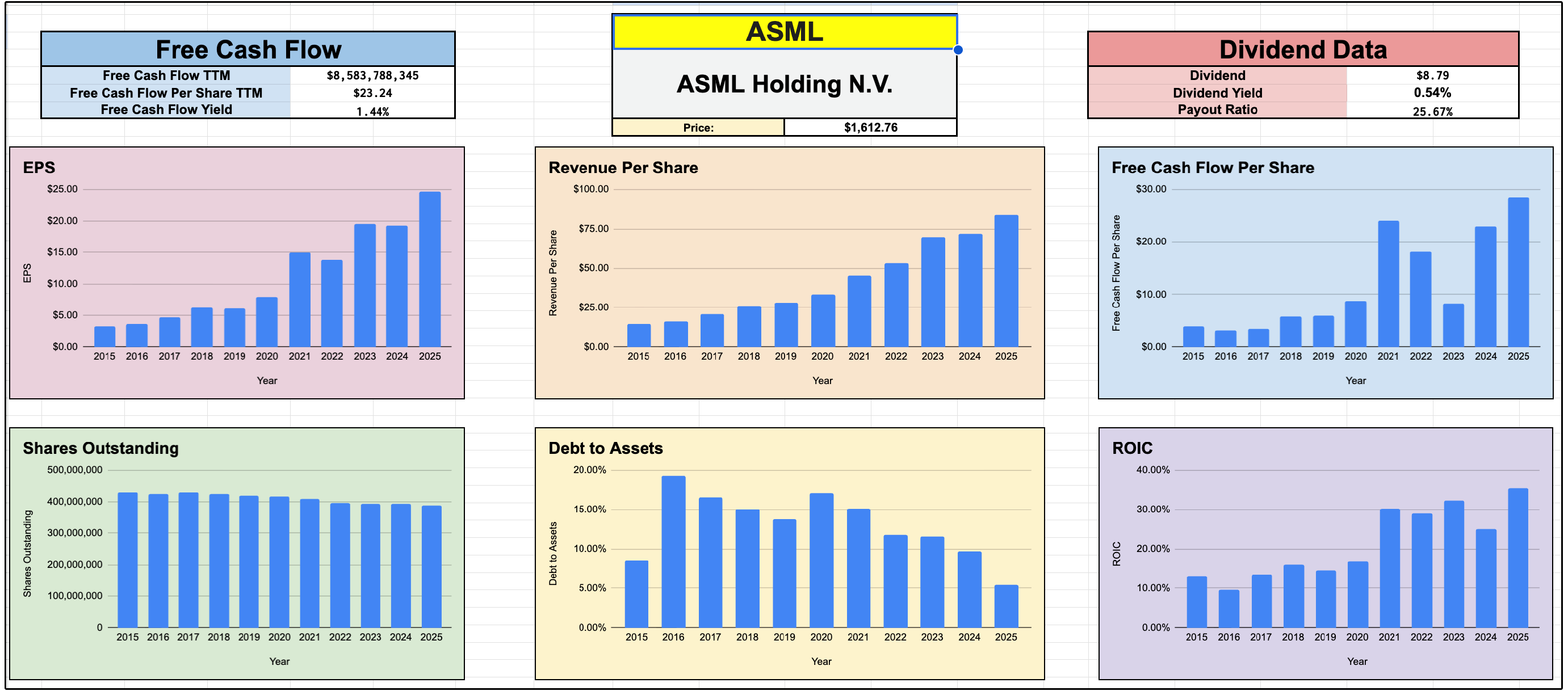
🗂️ Use The Database!
By using the Dividendology Super Investor Database, we were essentially able to find the valuation range for TXN that Super Investors found attractive.

As you go through the database, look for trends that may answer questions, like:
What software stocks were previously being heavily added, but no longer are (potentially due to AI)?
What tech stocks do Super Investors continue to add to in light of declining valuations?
Which sectors are seeing capital rotation?
Which stocks can we identify clear valuation ranges for?
The real advantage truly isn’t just analyzing the recent quarters buys-
It’s in identifying the trends.
If you want to get access to the Dividendology Database, as well as all the features mentioned below, you can do so here:
Check out these resources:
Tickerdata 🚀 (My automated spreadsheets and instant stock data for Google Sheets!)
Interactive Brokers 💰 (My favorite place to buy and sell stocks all around the world!)
Seeking Alpha 🔥 (Research stocks $30 off! + 7 day free trial)
HYSA 📊 (Get Access to the Best High Yield Savings Accounts!)