

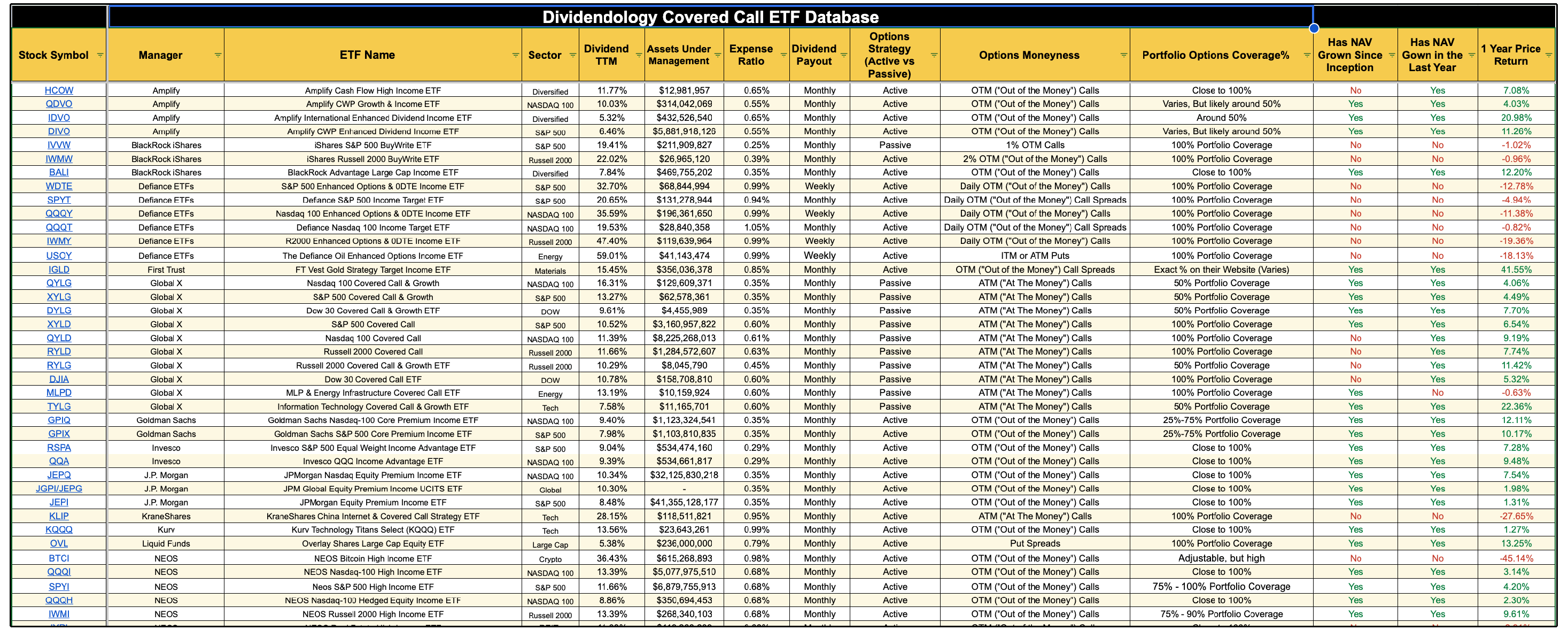
For the past several years, I’ve been building Dividendology’s Covered Call ETF Database-
A research tool providing in-depth information you can’t find on traditional softwares, that shows key information on how option-income funds are structured.
Here’s a small snippet:
But one question has continued to come up:
“When will Dividendology create a database for European option-income ETFs and ETPs?”
Today, I’m excited to officially release the Dividendology European Option Income ETF & ETP Database.
This new database provides an in-depth look at the rapidly expanding European option-income market…
And you can download it completely for free!
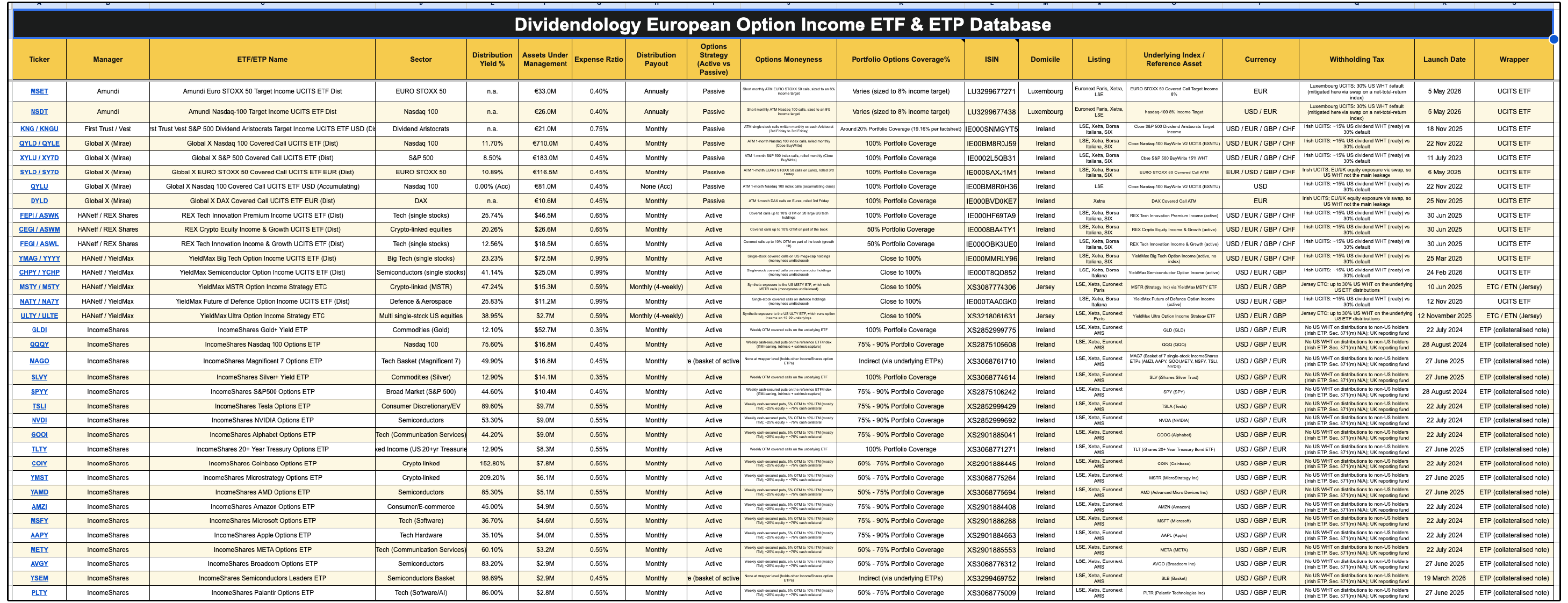
Due to the nature of these funds, there is a lot of very important information in this sheet-
Some of which are unique to European Funds.
So today, we will be breaking down the key metrics you MUST understand when analyzing these funds.
Today’s newsletter is sponsored by IncomeShares, which has been helping lead the educational effort around European option-income products.
You can check out their entire suite of products here: IncomeShares ETPs
Let’s dive in.
🚀 A Rapidly Growing Market
European option-income products have attracted more than $8 billion in assets under management.
However, much of this market is still extremely new:
42 of the 83 products in the database launched in 2026
61 of the 83 products are less than two years old
79 of the 83 products are domiciled in Ireland
That rapid growth makes education surrounding these funds especially important.
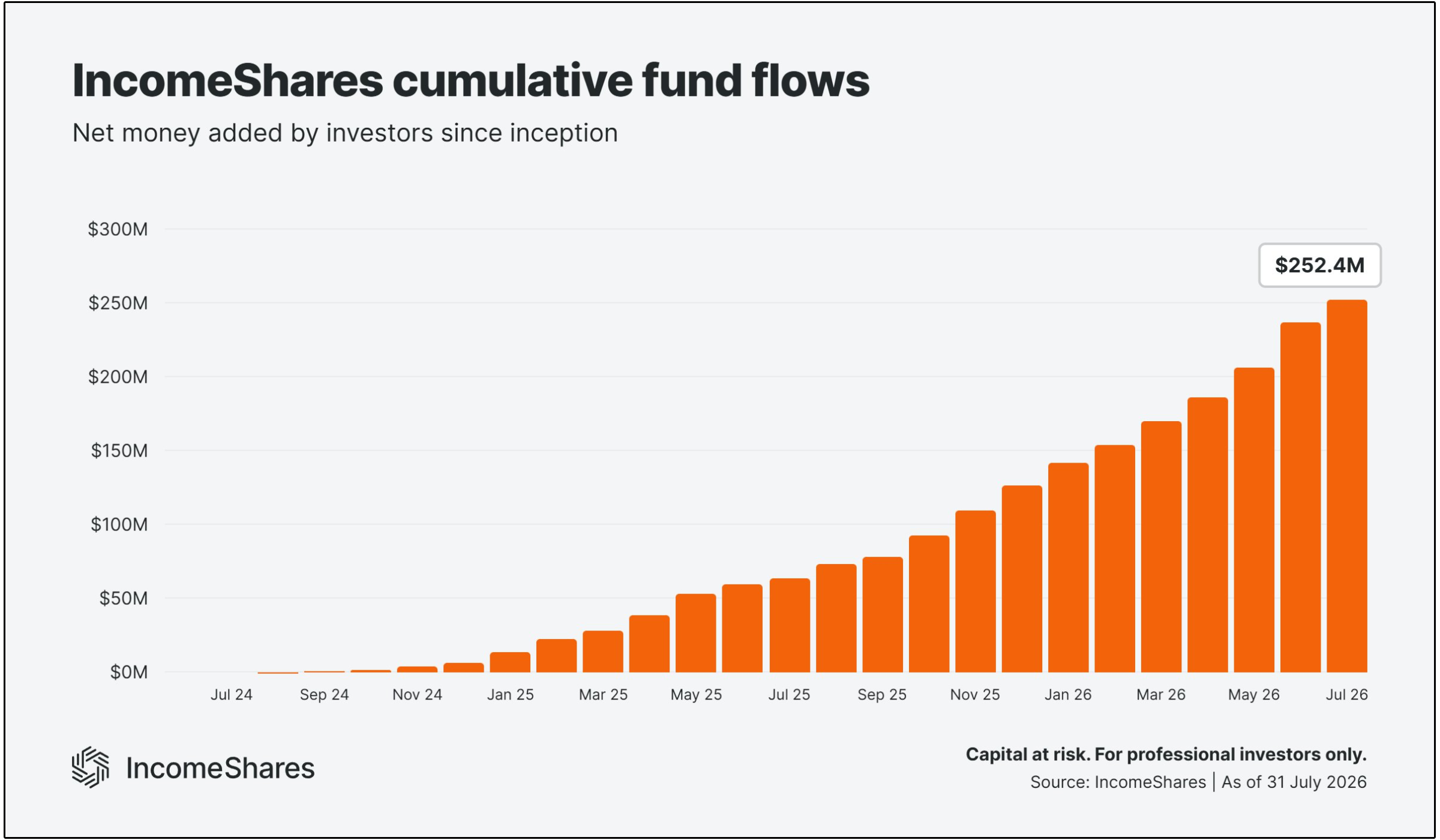
IncomeShares has seen significant growth in fund flows over the last few years.
🗂️ What’s included in the database?
For each of the 83 European option-income products, investors can research metrics including:
Ticker and fund name
Product issuer
Underlying asset
Trailing 12-month distribution yield
Assets under management
Expense ratio
Distribution frequency
Active or passive management
Option strategy
Option moneyness
Portfolio option coverage
Fund domicile
Exchange listings
Available currencies
Potential withholding-tax treatment
UCITS or ETP structure
Each ticker also links directly to the issuer’s product page, making it easier to verify the information and continue your research.
The database also includes a complete column guide explaining what each metric means.
Let’s dive into what makes these funds unique:
⚖️ ETF vs ETP
One of the first things investors will notice is that the European market includes both ETFs and ETPs.
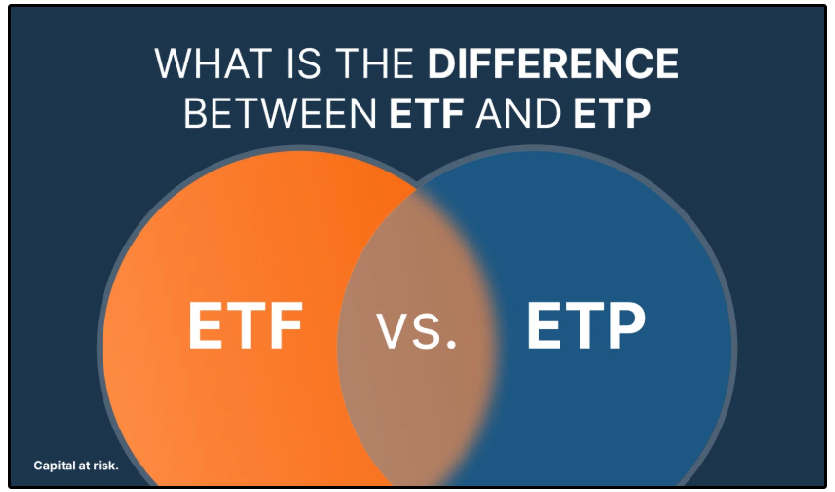
An ETF is an investment fund that owns a portfolio of assets.
Many European ETFs operate under the UCITS regulatory framework.
UCITS stands for Undertakings for Collective Investment in Transferable Securities.
It is a European regulatory framework designed to establish standards around diversification, liquidity, disclosure, custody, and investor protection.
The important detail is that UCITS includes diversification and concentration requirements.
These rules make it difficult to package certain highly concentrated, single-asset option strategies inside a traditional UCITS ETF.
That is where ETPs can be useful.
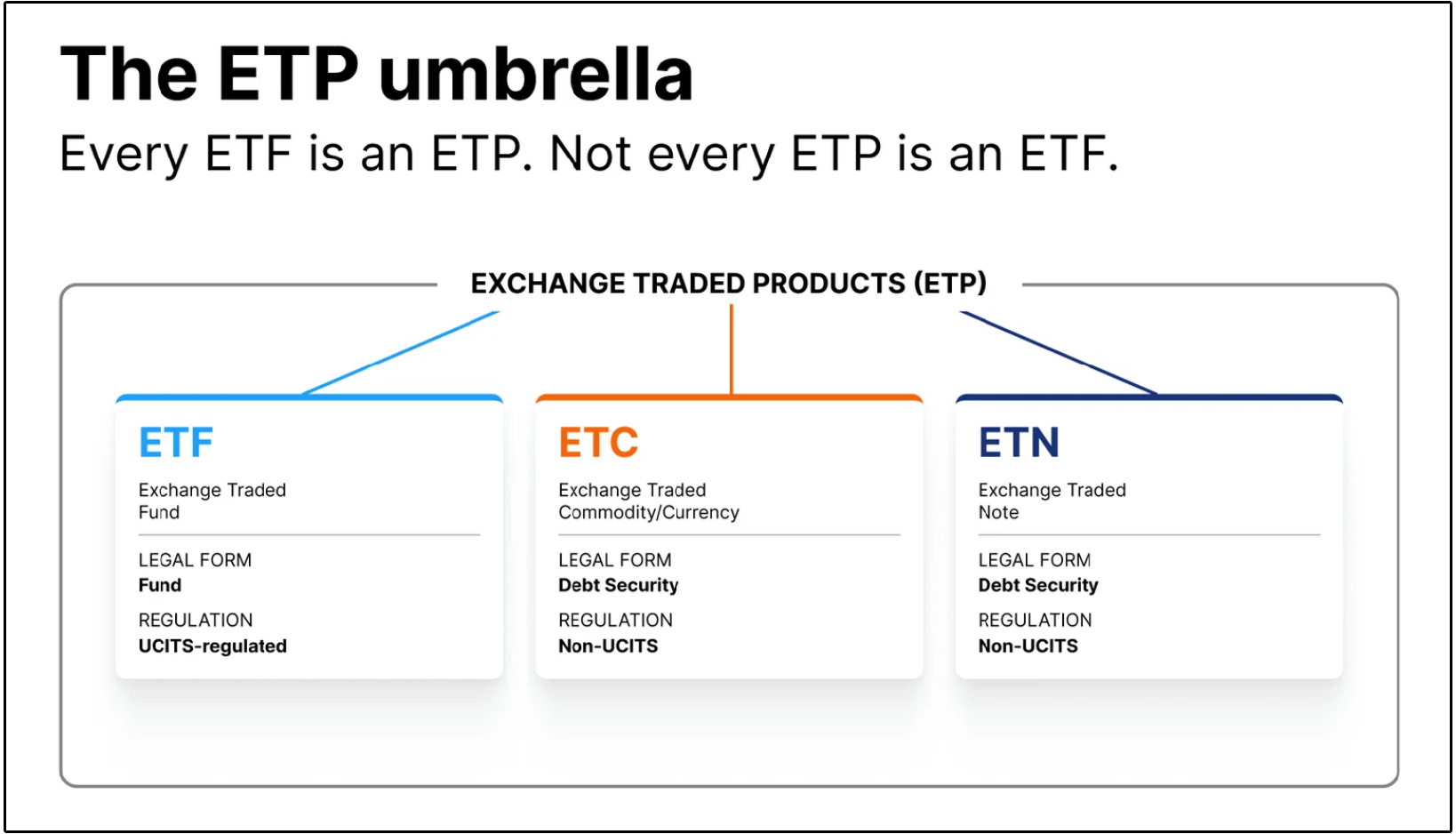
An ETP is generally structured as a debt security backed by collateral rather than as a conventional investment fund.
Because it uses a different legal structure, it can provide concentrated exposure that may not fit within the UCITS framework.
Neither structure is automatically better, there are pros and cons to both.
An ETF and an ETP simply represent different legal structures with different protections, risks, advantages, and limitations.
🇮🇪 Why Fund Domicile Matters
The database also shows where each product is legally established and regulated.
This would be a metric most glance over initially, but it is much more important than most realize.
Of the 83 products currently included, 79 are domiciled in Ireland.
Why is this the case?
The main reason Ireland has become Europe’s dominant ETF domicile is its tax treaty with the United States.
At the fund level, an eligible Irish-domiciled fund collecting dividends from U.S. companies can generally face a 15% U.S. withholding rate instead of the standard 30% rate.
IncomeShares has a great visual example of what this can look like:
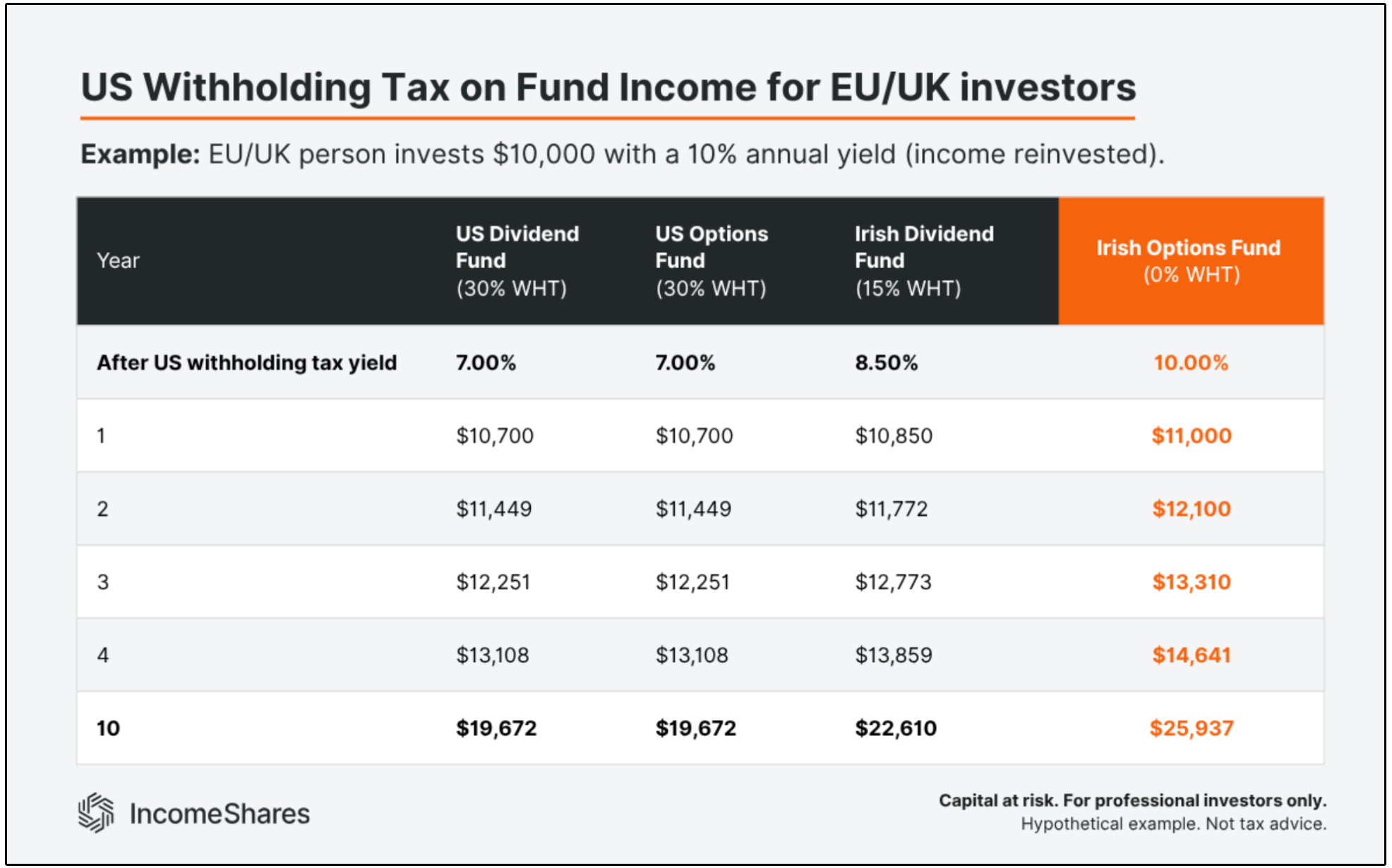
For a portfolio of U.S. dividend-paying stocks, that difference can potentially be worth roughly 0.20% annually, more than the entire expense ratio charged by some investment products!
This helps explain why Ireland reportedly holds approximately 78% of European ETF assets and accounted for 95% of new European ETF launches in 2024.
Domicile may look like an unimportant administrative detail, but it can meaningfully affect a product’s tax efficiency, regulatory treatment, and investor protections.
If you want to dive deeper into this subject, IncomeShares has a great article that you can read about it here.
🌍 IncomeShares Commodity ETP Lineup
IncomeShares currently offers commodity option-income ETPs tied to copper miners, gold miners, gold, silver miners, silver, uranium, and WTI oil, as well as a multitude of other strategies.
The Gold+ Yield and Silver+ Yield ETPs use covered-call strategies, while the other commodity products use a cash-secured put plus equity strategy.
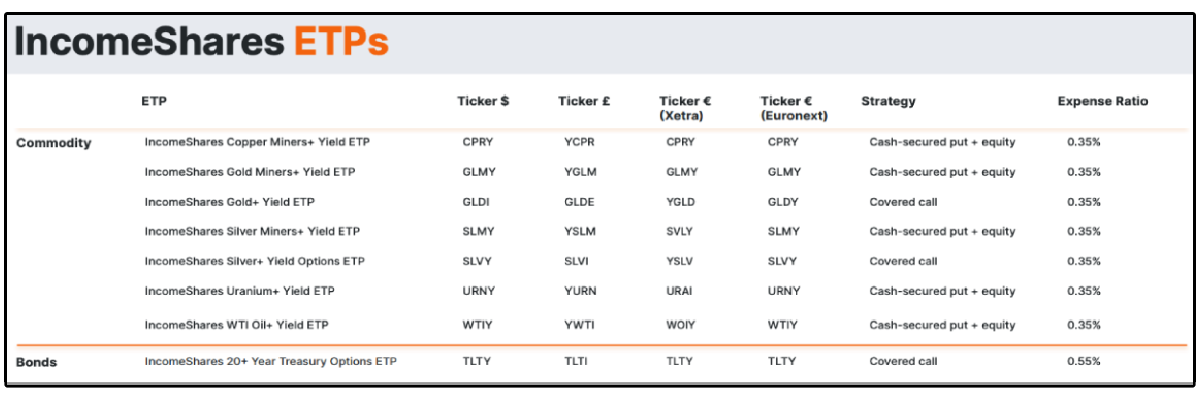
The main takeaway is that these products are not simply passive bets on commodity prices.
They combine commodity exposure with an options overlay designed to turn volatility into recurring income.
Many of their commodity ETPs currently have distribution yields near 12%.
🥇 A Real-World Example: IncomeShares Gold+ Yield ETP
Let’s use the IncomeShares Gold+ Yield ETP (GLDI) as an example of what investors can learn from the database.
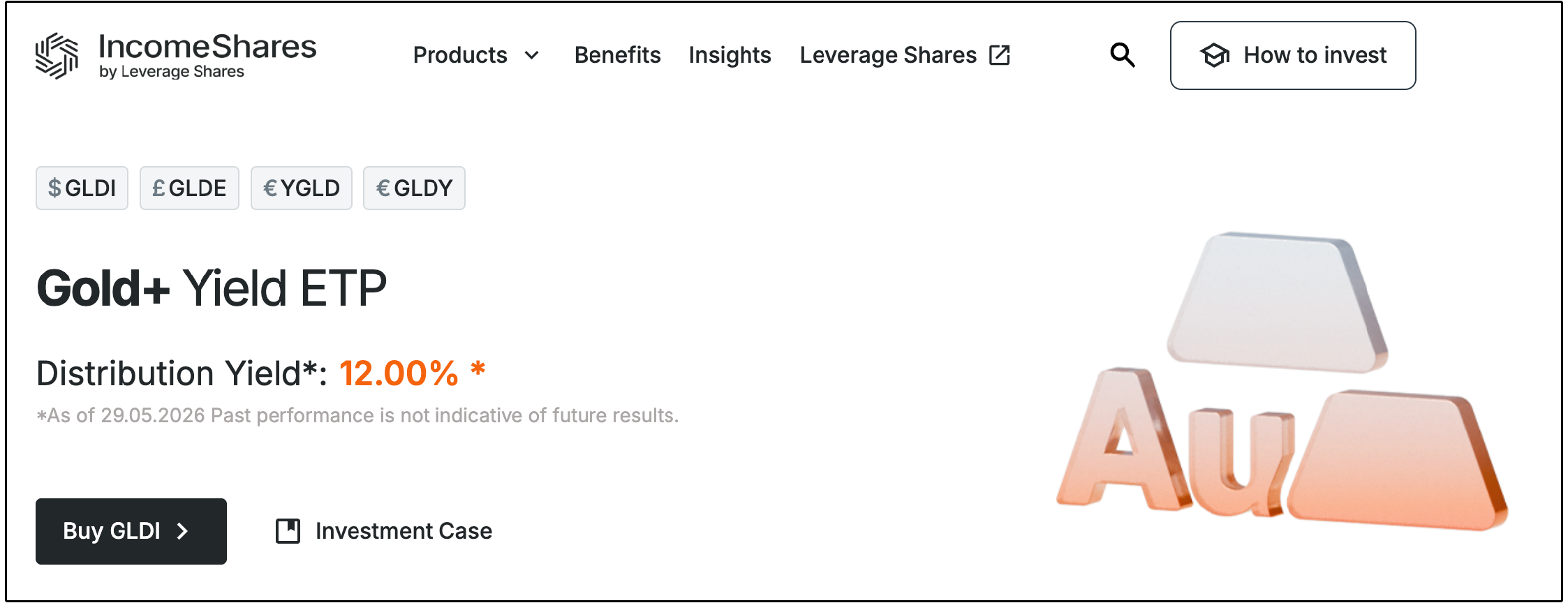
The ETP currently has a distribution yield of roughly 12%.
But the database helps us understand how the ETP is actually structured, which will impact future performance.
According to the database, GLDI:
Provides exposure to gold through GLD
Has approximately $52.7 million in assets under management
Charges a 0.35% expense ratio
Pays distributions monthly
Uses an actively managed options strategy
Writes weekly out-of-the-money covered calls
Maintains approximately 100% portfolio option coverage
Is domiciled in Ireland
Is structured as a collateralized ETP rather than a UCITS ETF
Is available in U.S. dollars, British pounds, and euros across several European exchanges
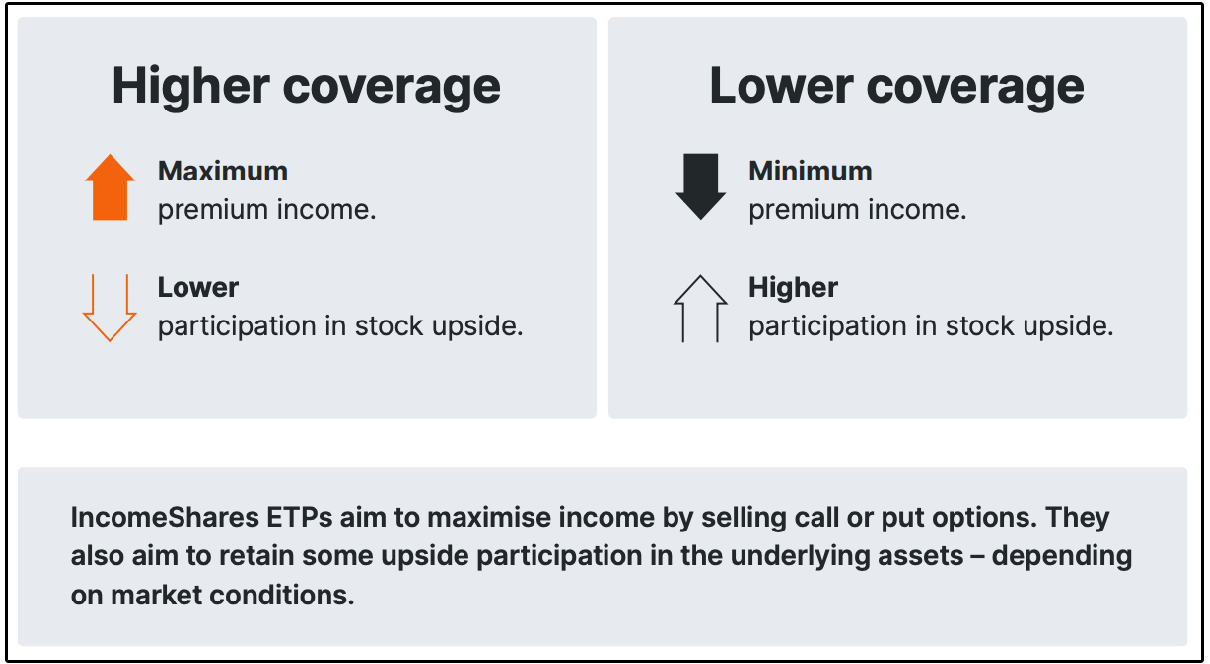
The most important information here is the combination of weekly out-of-the-money calls and 100% portfolio coverage.
Because the calls are written out of the money, GLDI retains some of gold’s upside before reaching the options’ strike prices.
However, because approximately 100% of the portfolio is covered, which is why the yield is at 12%.
The tradeoff is that a significant rally in gold could cause the ETP to underperform GLD as its upside becomes capped.
That means the strategy may be most attractive when gold:
Trades sideways
Rises gradually
Experiences elevated volatility without a major directional move
It may be less attractive during an explosive gold rally, because the covered calls could limit participation.

The database gives us the insights to better understand how the fund is structured, which gives further insights to what market environments are optimal for the fund.
🚨 Next Week Is Dividend Week
The launch of the European Option Income ETF & ETP Database is only the beginning.
I’m obsessed with finding new ways to increase the value Dividendology provides, and next week, we’re taking that to another level.
I’ll be releasing new research, resources, and insights focused entirely on helping investors find better dividend growth and high-yield opportunities.
That’s why I’m officially declaring next week “Dividend Week.”
There is much more coming, but I’ll leave it at that for now.
Like always, if you want to get access to the Dividendology Database, as well as all the features mentioned below, you can do so here:
Check out these resources:
Tickerdata 🚀 (My automated spreadsheets and instant stock data for Google Sheets!)
Interactive Brokers 💰 (My favorite place to buy and sell stocks all around the world!)
Seeking Alpha 🔥 (Research stocks $30 off! + 7 day free trial)
HYSA 📊 (Get Access to the Best High Yield Savings Accounts!)
This exceeds defense spending, Medicare, or any other line item except Social Security.
https://paretoinvestor.substack.com/p/treasury-collapse-2026-portfolio-defense