

One of the most interesting trends over the last 15 years?
The growth of the assets under management for actively managed ETFs.
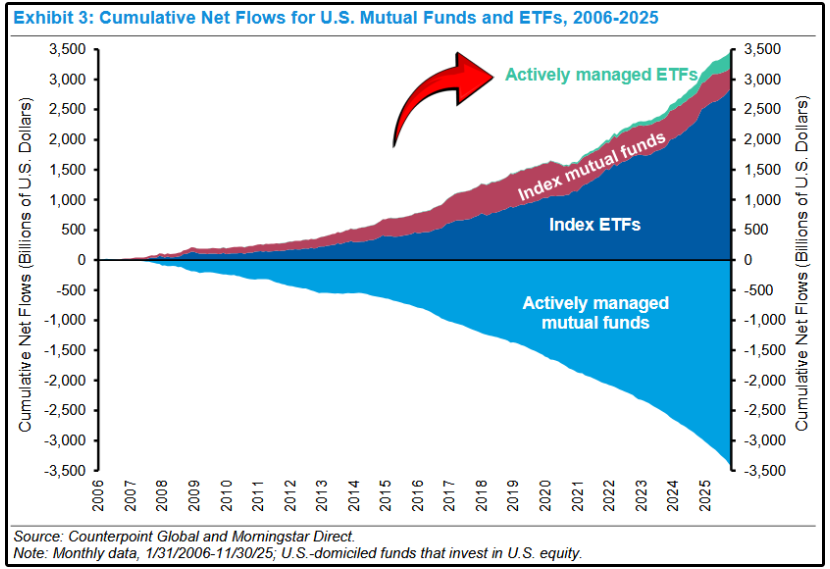
While this growth looks minimal when compared to index ETFs and index mutual funds-
Take a closer look at the total growth of covered call ETFs since 2015.
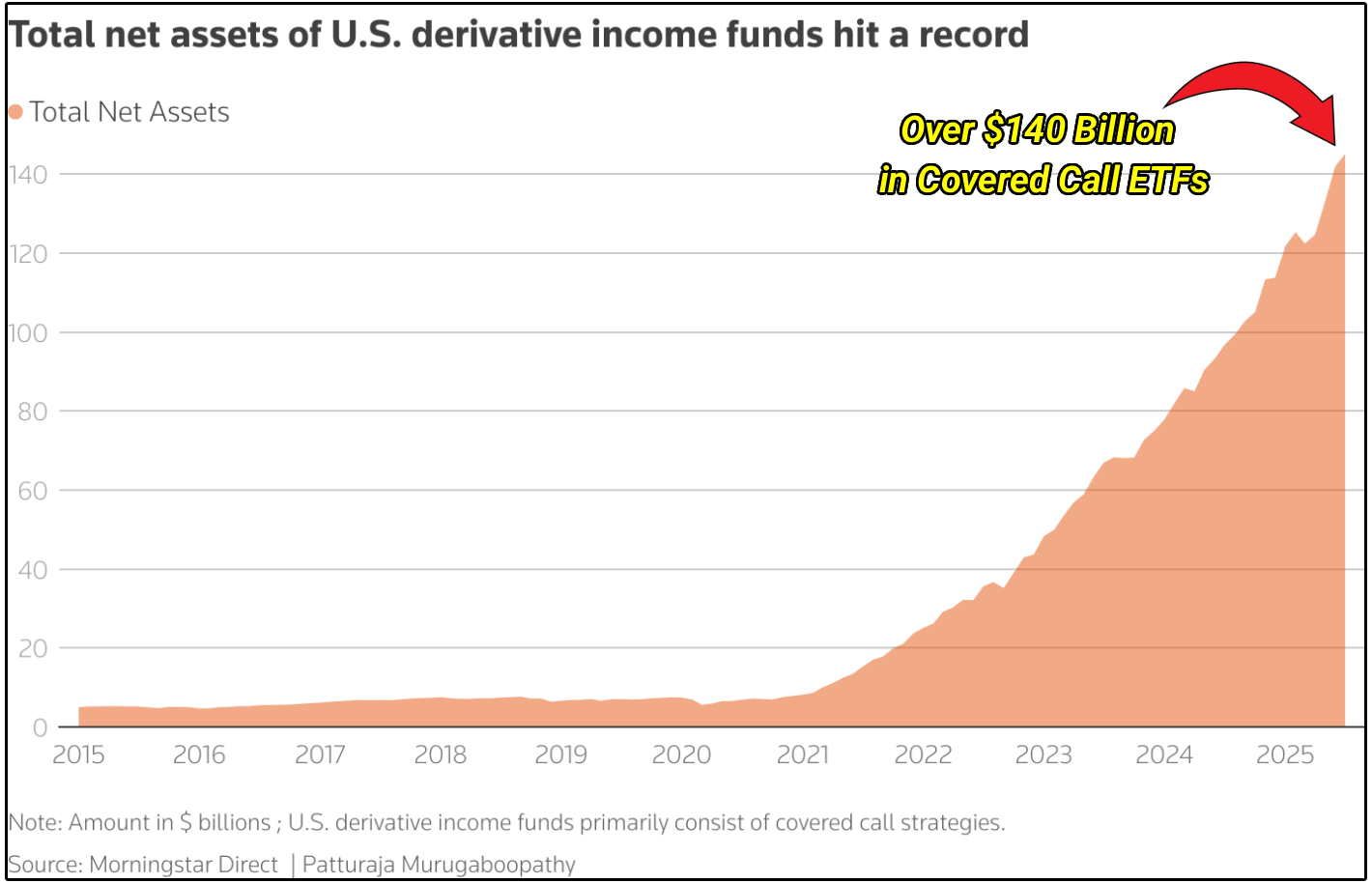
Assets under management have more than 10x’d over the last decade, with nearly all of the growth coming in the last 5 years.
Investors are starved for high yield opportunities.
However, not all covered call ETFs are created equal.
In fact, as I’ve tried to warn many times before-
Many covered call ETFs are incredibly dangerous.
Even funds that have historically had periods where they performed very well can be structured in a way where that performance will certainly NOT last.
Take YieldMax’s MSTY for example.
This fund was considered (by some) to be the gold standard for covered call ETFs.
However, in the last year, the fund has:
Fallen by 82%
Seen distributions fall by around 87%
As a result, we can see investors have been fleeing from this fund.
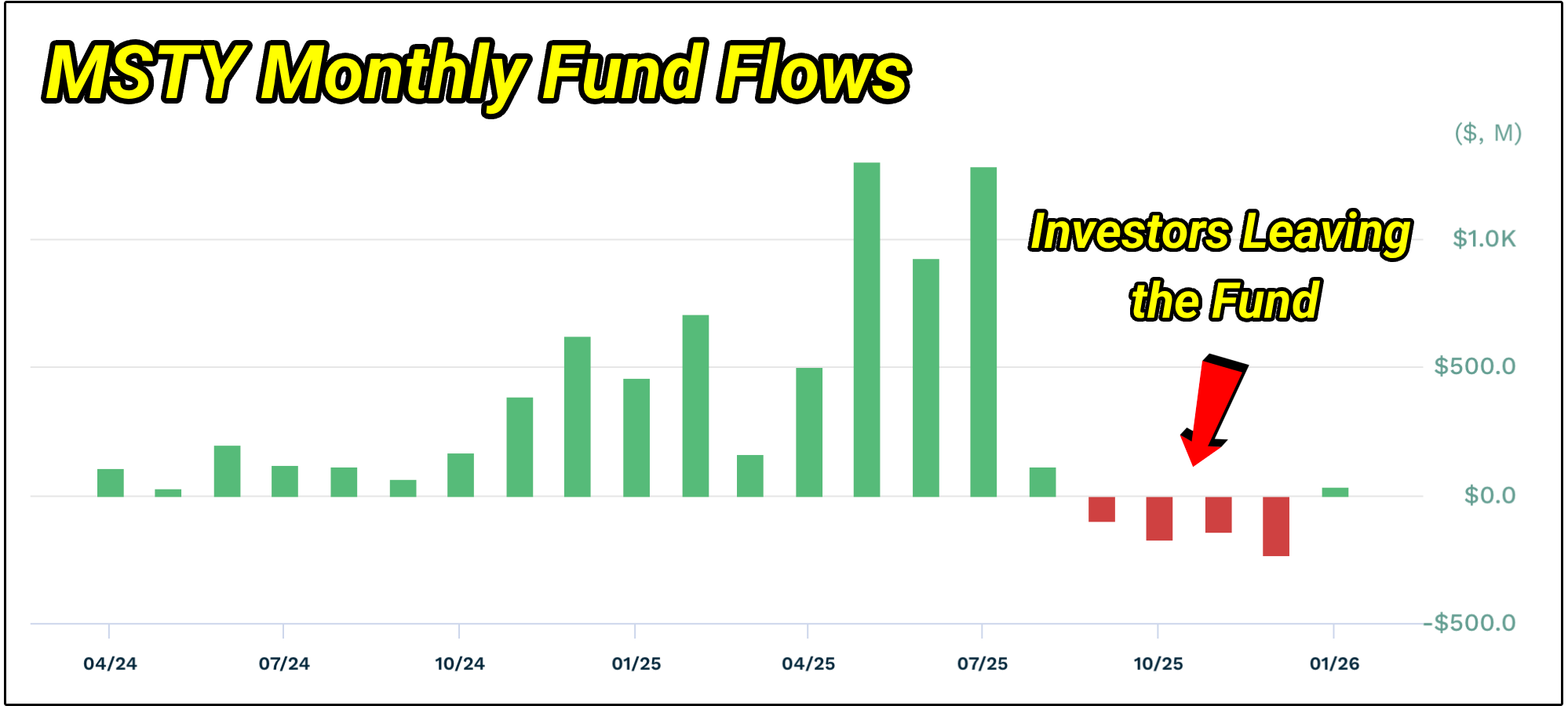
This type of performance can be devastating to those looking to utilize the distributions as income.
As we build out our High Yield Portfolio on Dividendology.com, we must avoid this type of performance from any funds we add to our portfolio.
Today, we will be looking at the top performing covered call ETFs over the last year, and then assessing if that performance is actually still sustainable.
🔍 Dividendology Database
I just updated the Dividendology Covered Call ETF Database, adding more data to actively track performance.

We are currently actively tracking 68 different covered call ETFs in the database.
Out of the 68 ETFs in this database, only 26 have grown NAV since inception.
That’s only 38%!
Most covered call ETFs are simply liquidating themselves to make payments.
Let’s review the top performing covered call ETFs in the last year.
1. 🥇 FT Vest Gold Strategy Target Income ETF (IGLD)
IGLD’s performance stands out, climbing 40.4% in the last year!
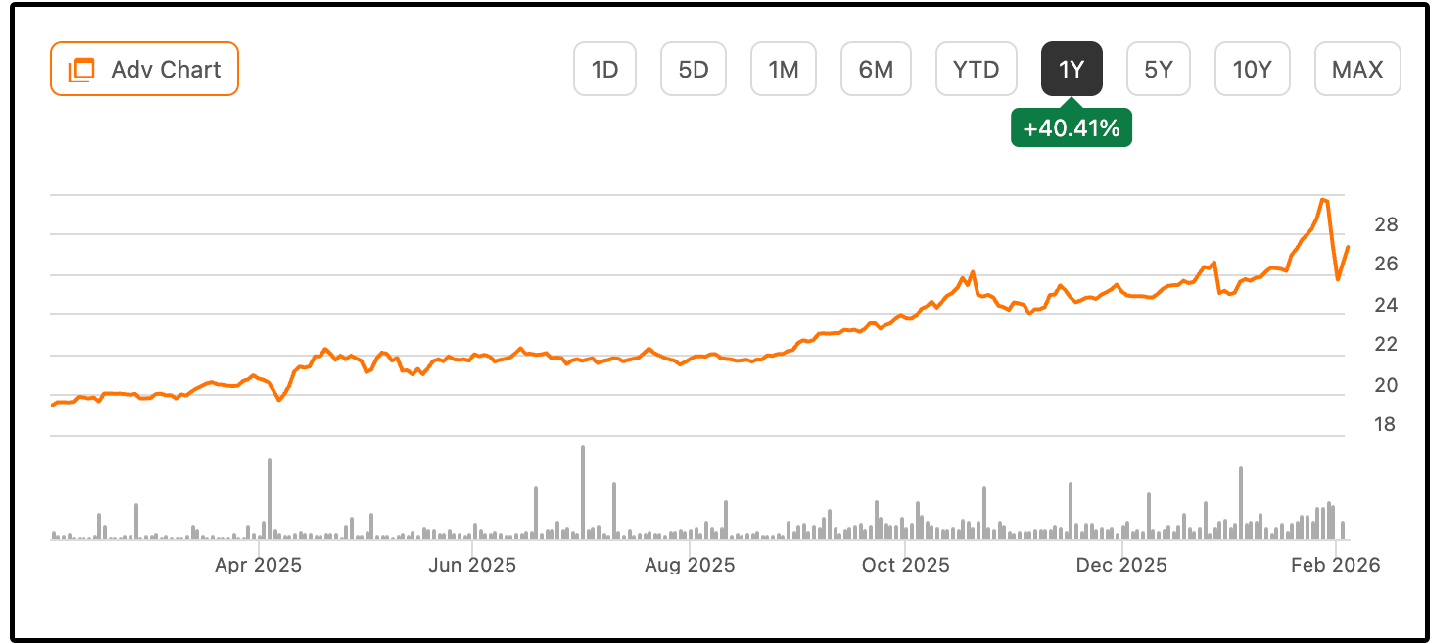
But to understand why IGLD has worked, and whether that performance is sustainable-
We need to look closely at how the fund is actually structured.
IGLD is fundamentally different from many of the high-yield covered call ETFs investors are used to seeing.
Instead of writing calls on a single high-volatility stock (like MSTY does with MicroStrategy), IGLD is built around gold exposure, combined with a systematic options strategy designed to generate income while limiting downside risk.
Gold does not behave like high-beta (volatile) equities.
It doesn’t compound earnings, but it typically doesn’t experience the same type of catastrophic drawdowns that single-stock covered call funds can suffer when sentiment turns.
History tells us that it can also be viewed as a hedge against market crashes.
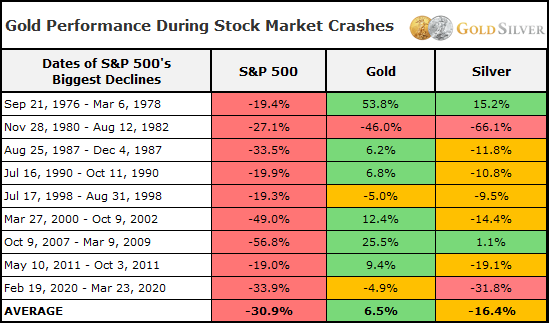
Here’s what makes IGLD interesting:
The fund gains exposure to gold via options rather than owning physical gold outright
It sells call options to generate income, but does not rely on extreme volatility to fund distributions
Distributions are targeted, not promised, meaning payouts can flex based on market conditions
Importantly, distributions are not guaranteed.
The fund has a stated income objective, but payouts can change based on market conditions, options income, and Treasury yields.
In some periods, distributions may include return of capital, which investors must monitor carefully.
The trailing twelve month yield is 9.64%.
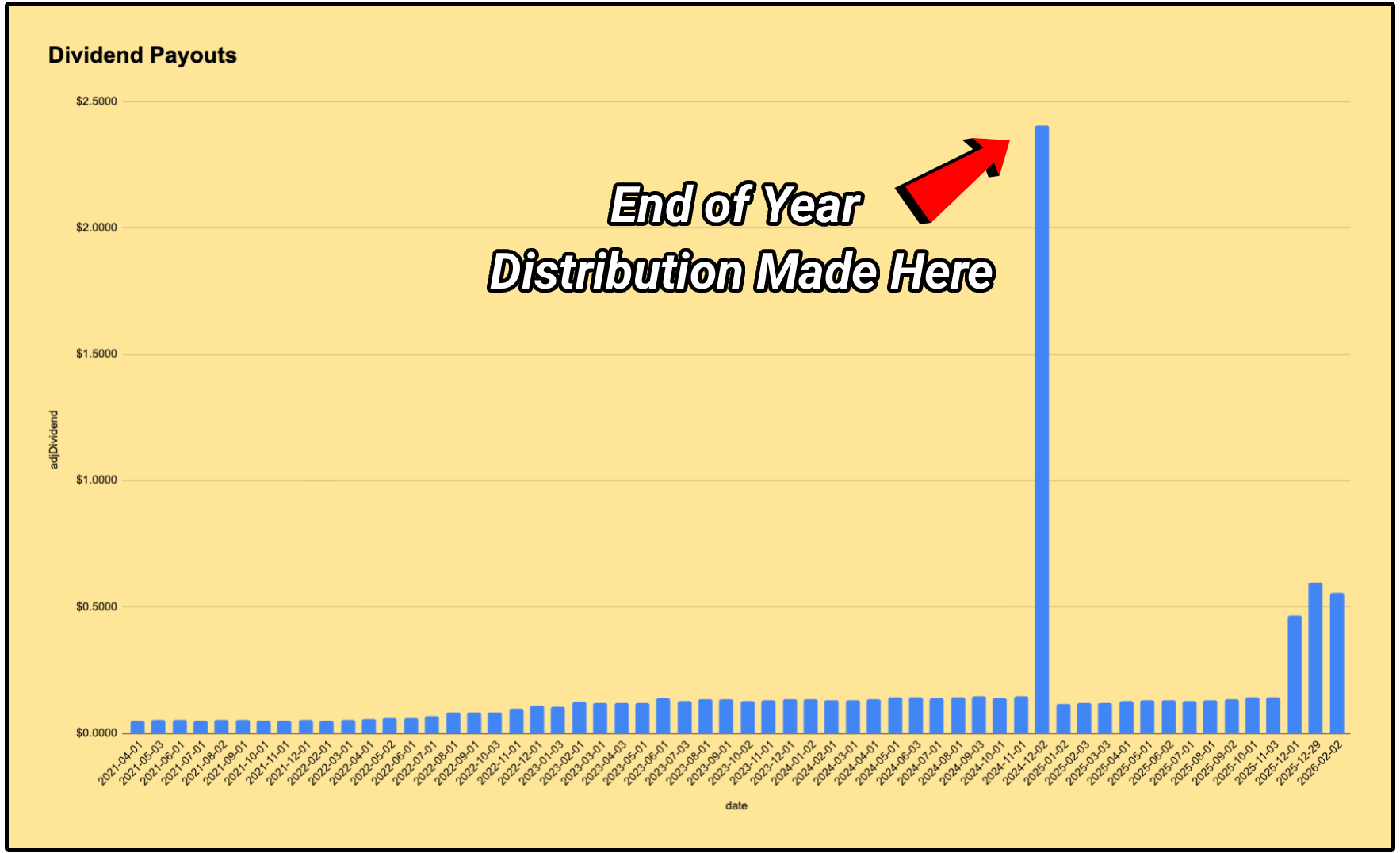
The trailing twelve-month yield for IGLD can be misleading.
While the fund pays relatively modest monthly distributions throughout the year, the headline yield is often inflated by a large year-end distribution (when NAV performance is good).
As a regulated investment company, IGLD must distribute the majority of its taxable income to shareholders.
During the year, income is generated primarily from option premiums on GLD and interest from Treasury holdings.
If additional taxable income or gains from options activity are realized and have not yet been distributed, the fund will typically make a catch-up distribution at year-end.
This payout isn’t a bonus, it’s simply the fund meeting its distribution requirements.
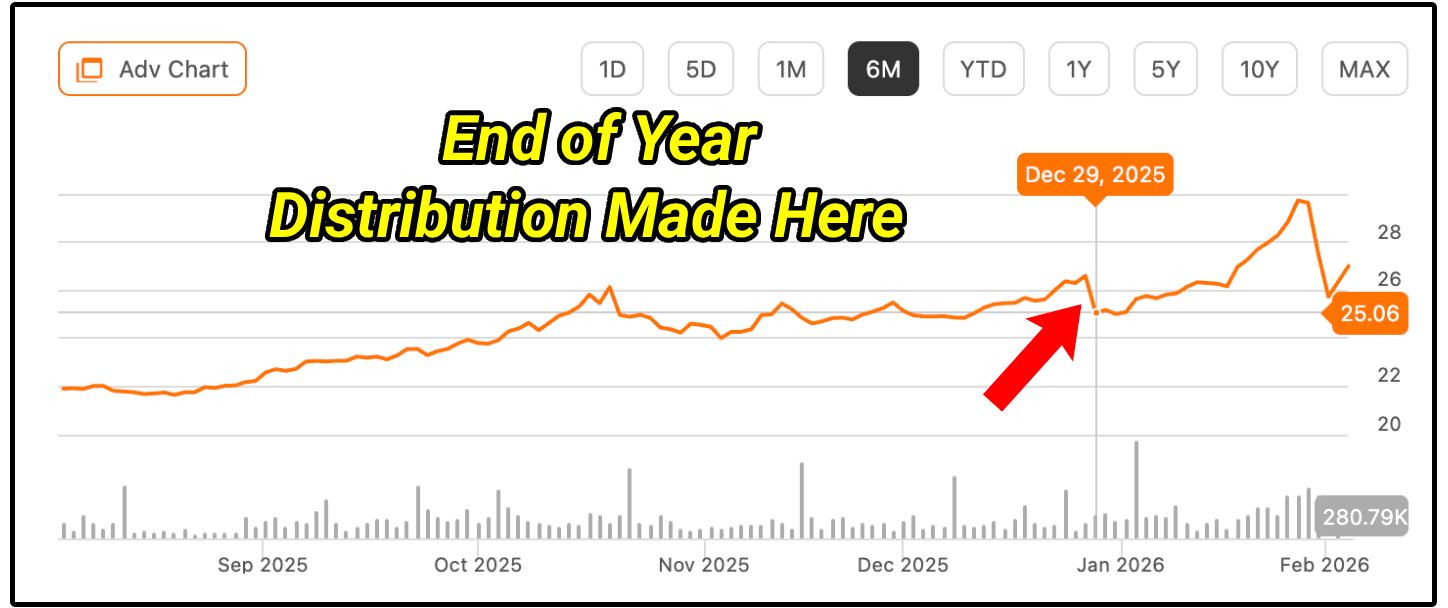
When it occurs, the NAV declines by the amount of the distribution, shifting value from NAV into cash without impacting total return.
With that being said, it is very likely we see a much lower trailing 12 month yield moving forward unless Gold continues to see exceptional performance.
2. 🌍 Amplify CWP International Enhanced Div Inc ETF (IDVO)
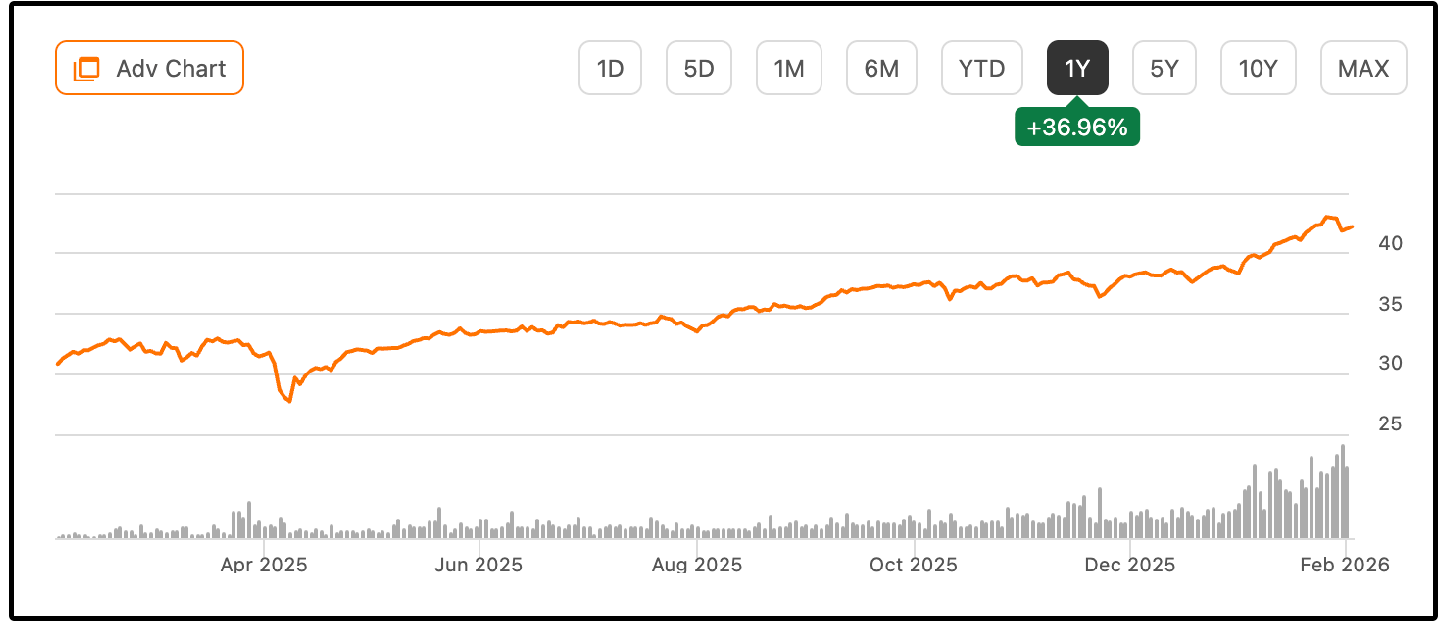
In the last year, IDVO is up nearly 37%!
The strategy is straightforward:
Own a portfolio of high-quality international dividend stocks
Overlay opportunistic covered calls to generate additional income
Aim for a smoother income stream, without fully sacrificing long-term upside
That’s the intent, at least.
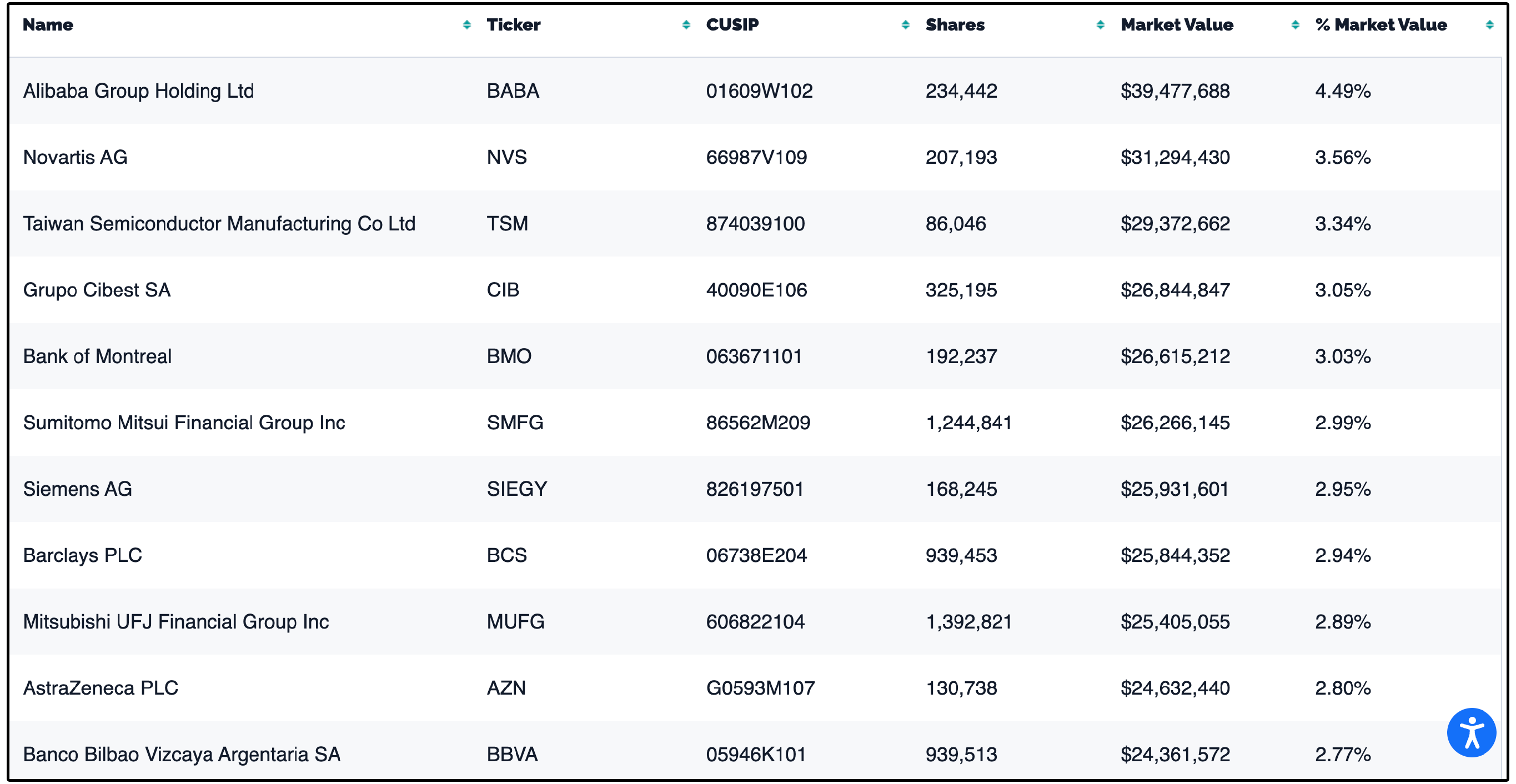
The fund’s primary objective is current income, with capital appreciation as a secondary goal.
And unlike many “100% overwrite” call-writing ETFs, this strategy is explicitly described as tactical, meaning it may write calls on some, all, or none of the portfolio at any given time.
Basically it’s not forced to overwrite continuously.
The manager (CWP) describes a target mix of gross income roughly like this:
3–4% from dividends
2–4% from sold call option premiums
Plus whatever capital appreciation the portfolio can deliver
That matters, because it tells you what kind of “yield engine” this is:
This is not a fund targeting a 15–30% payout that requires constant volatility and/or NAV decay to sustain.
It’s aiming for a more moderate, repeatable yield, built on dividends first, and option premium second.
This creates a MUCH more sustainable yield.
The trailing 12 month yield is 5.06%.
This is a much lower yield than most covered call ETFs.
However, because a large portion of the yield actually comes from the underlying holdings, the payouts from this fund have actually grown over time!
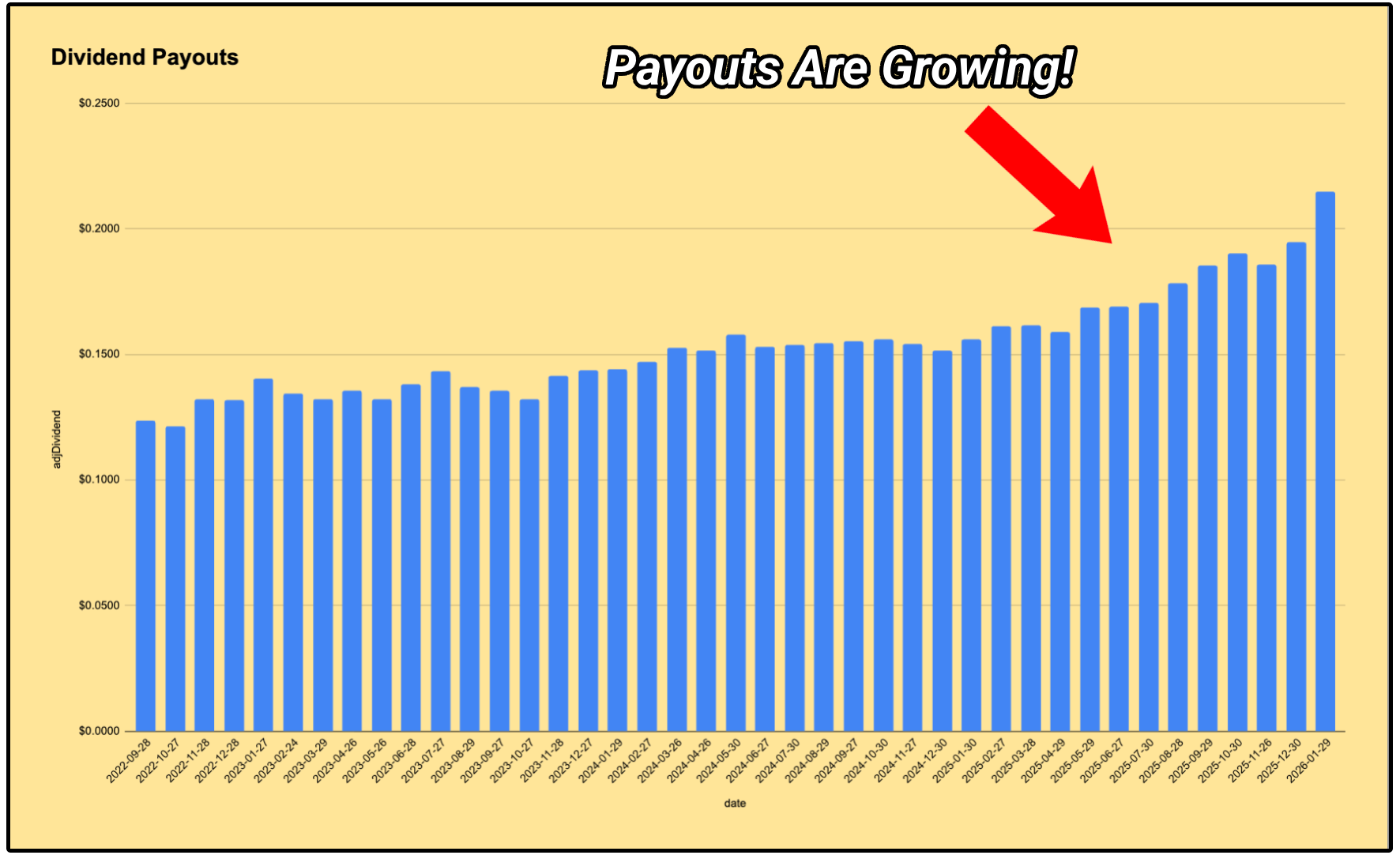
This is one of the few covered call ETFs that has sustained dividend growth.
The yield on cost for this fund is above 8.5% since September of 2022!
If you want international equity exposure with a sustainable built-in income overlay, this is one of the more “structurally sane” covered call designs I’ve seen.
3. 💻 YieldMax Target 12 Semiconductor Option Income ETF (SOXY)
I bet you didn’t expect a YieldMax fund to be on this list.
However, SOXY is radically different from the vast majority of the YieldMax funds.
In the last year, SOXY is up nearly 34%.
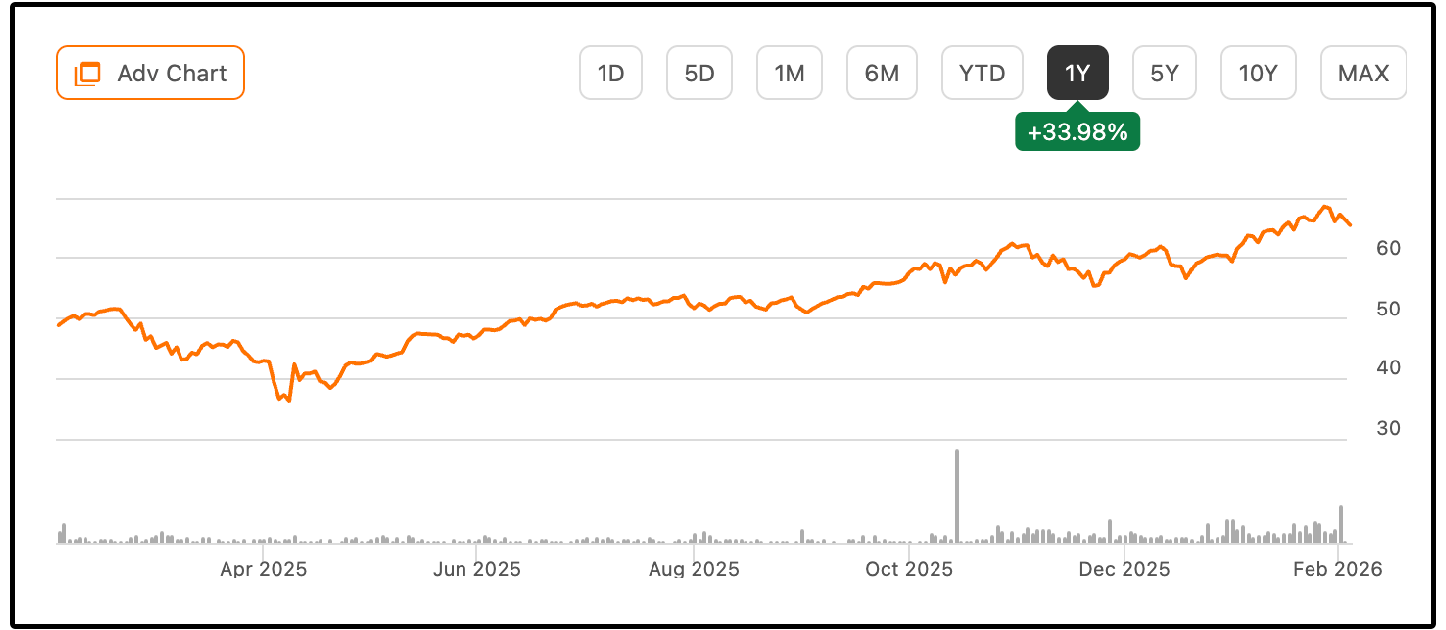
SOXY is a specialized option-income vehicle with a very specific focus:
Generate monthly income by writing call options on a concentrated portfolio of semiconductor stocks, with the goal of delivering a targeted option income return of approximately 12% annually.
This “Target 12” label is literal.
The fund is designed to produce ~12% in option premium income per year, assuming a stable option premium environment.
This mechanism is very different from:
Dividend-centric covered call ETFs like JEPI (which blend dividends + calls), or
Index-tracking option income funds (which lean heavily on breadth and diversification).

SOXY’s income engine comes primarily from selling weekly and monthly call options on its semiconductor equity holdings.
Here’s how it works:
Portfolio is concentrated in semiconductor names
The fund holds a basket of semiconductor equities rather than broad indices. Popular components include large semiconductor producers and chipmakers with high implied volatility. This concentrates both risk and opportunity.Call options are systematically sold on those holdings
SOXY writes short-term calls — often weekly and monthly expirations — to collect option premium. These premiums are the primary driver of the fund’s income.Targeted income approach
The “Target 12” framework means the manager seeks to produce option premium income equal to roughly 12% of the portfolio annually. This target influences strike selection, timing, and position sizing.
The semiconductor sector has obviously performed very well over the last few years leading to great performance from SOXY.
However, the 12% target yield is still certainly on the more aggressive side when considering what full market cycles look like.
For example, we can see the distributions during the April 2025 tariff scare are about 30% lower than they are today.
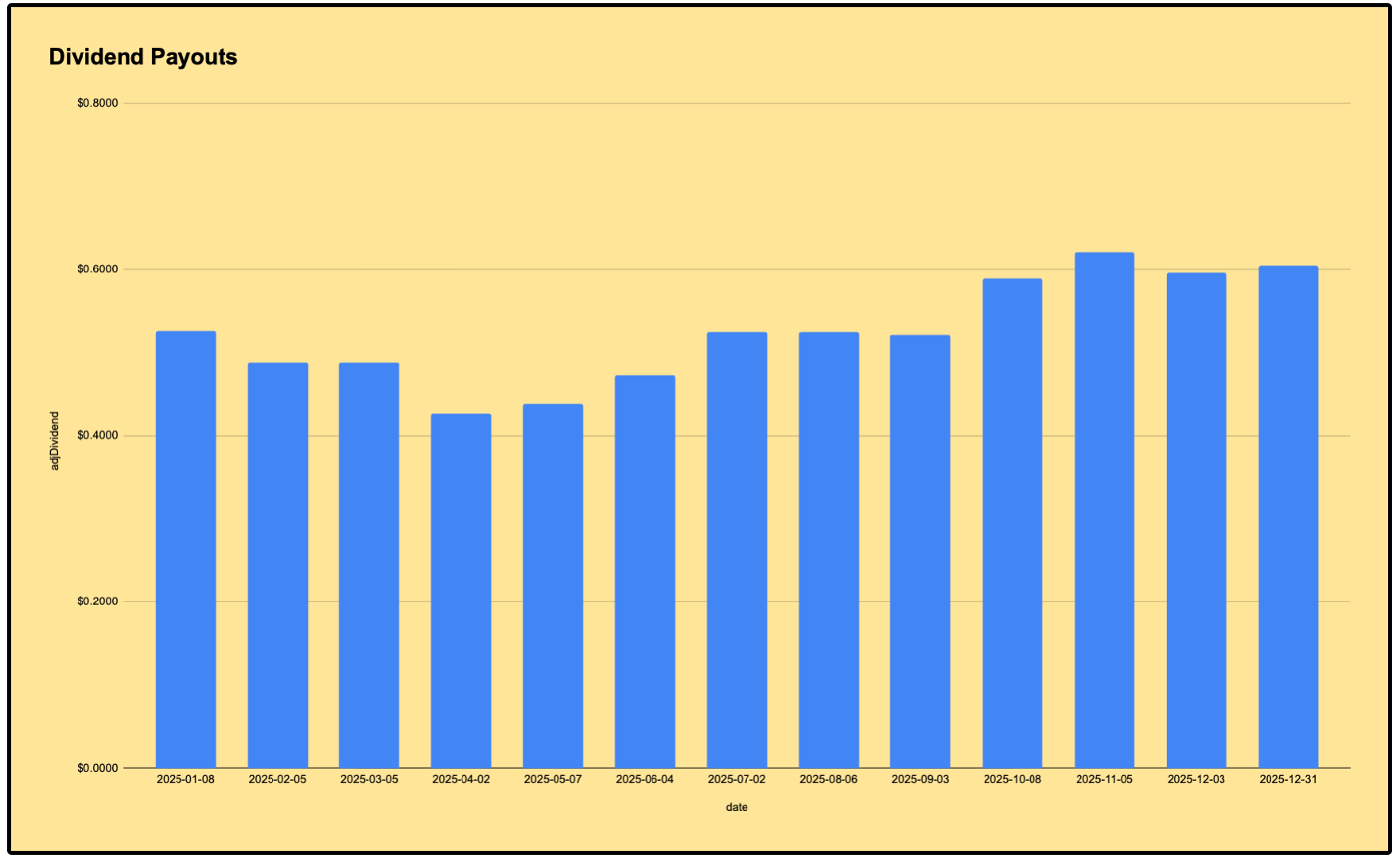
Ironically enough, this is one of YieldMax’s least popular funds, with only $23 million in assets under management.
While the fund alleviates single stock risk, it is still dependent on a single sector, leaving it more vulnerable to market drawdowns, especially since they target a 12% yield.
With that being said, a prolonged period of NAV erosion is absolutely possible for this fund.
⚖️ Structure, Not Performance
The biggest mistake an investor looking to utilize covered call ETFs for yield can make is to simply look at past performance to try and determine the viability of a fund in the future.
This is why we MUST value the structure over past performance.
Out of the 3 funds we reviewed today, each performed very well in the last year.
However, when taking a closer look, we see the structure for each is radically different:
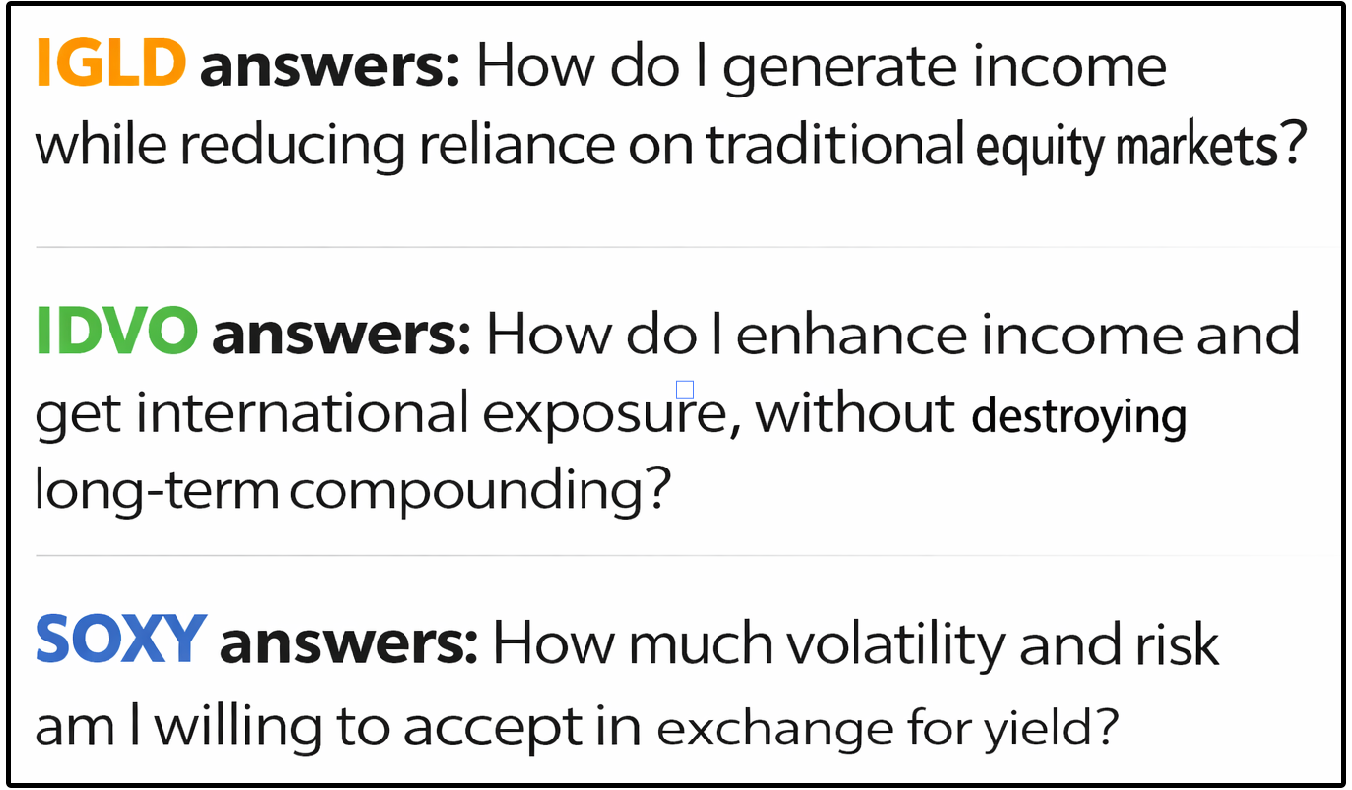
IGLD generated income from options on gold, paired with Treasury exposure, creating a more defensive income profile that benefited from strong gold performance and may offer lower correlation to traditional equity markets
IDVO blended international dividend-paying equities with a tactical call-writing overlay, producing a lower, but far more sustainable yield
SOXY harvested option premium from a high-volatility sector, targeting a much higher yield at the cost of greater cyclicality and NAV risk
Each fund answers a different question.
Poorly designed funds can deliver great performance for short periods of time.
But the structure of the fund will always reveal what the actual sustainability of the fund looks like.
⚡ High Yield Portfolio
We are currently in the process of adding positions to our Dividend Growth and High Yield Portfolio.
Very soon, we will be adding more positions, with one of them being a covered call ETF in our database.
If you want to be a part of the process of building these portfolios and also get access to everything mentioned below, you can join here:
Here’s everything you’ll get as a paid Dividendology member 👇
📊 Full Access to the Dividendology Database
Built with over $10,000 invested in tools and research, this powerful database tracks dividend stocks and alternative income assets like Covered Call ETFs, REITs, and BDCs.📈 The Dividend Growth Portfolio
A real-money portfolio built from scratch, focused on long-term wealth creation and building a rapidly growing stream of dividend income💸 The High Yield Portfolio
A real-money portfolio, designed to generate massive sustainable income with an average yield of 8%+📉 Running List of Undervalued Dividend Stocks
Updated regularly — stay ahead with a curated list of the most attractively valued dividend opportunities in the market🧠 In-Depth Research & Reports
Deep dives into dividend stocks and income strategies you won’t find on mainstream platforms
Check out these resources:
Tickerdata 🚀 (My automated spreadsheets and instant stock data for Google Sheets!)
Interactive Brokers 💰 (My favorite place to buy and sell stocks all around the world!)
Seeking Alpha 🔥 (Research stocks $30 off! + 7 day free trial)
HYSA 📊 (Get Access to the Best High Yield Savings Accounts!)
TSPY is my favorite so far but I own multiple CC’s.
Only 38% have grown NAV! Not totally surprising, but really important to understand when you're considering investing in this type of product. The kind of products are pretty new to UK and European markets, so a longer timeline analysing performance was really helpful.